
Refine by
Air Particulate Articles & Analysis
339 articles found
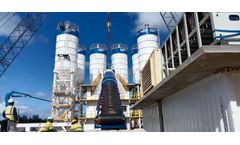
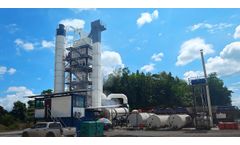
Particulate emissions from concrete batching plants represent one of the sector's most persistent environmental compliance challenges. ...

Introduction Across the world, an estimated 3.4 million kilometers of rural roads remain unpaved. These roads form the backbone of rural economies, connecting farms to markets, villages to schools, mines to processing facilities, and communities to healthcare services. In many developing and remote regions, they are the most critical transportation infrastructure available — yet they are ...
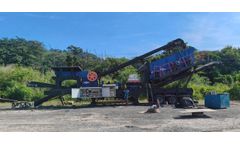
Radiator cores that face unfiltered desert airflow accumulate dust and fine particulate on their fin surfaces at rates that can halve effective cooling capacity within a single operating shift if pre-filtration is absent. ...

Over time, exposure to these contaminants can affect operator health, indoor air quality, and overall workplace safety. Understanding soldering fumes health risks is essential for designing safer electronics production environments and implementing effective control measures. Proper flux fumes extraction and engineered electronics soldering ventilation systems are critical for minimizing ...
Introduction Welding operations in industrial workshops generate fumes that contain fine particulate matter and hazardous gases. These fumes, if not effectively controlled, can accumulate in the workspace and expose workers to unsafe conditions. While many workshops install extraction systems, a significant number still experience poor performance due to design flaws, incorrect usage, or ...
Introduction Welding processes generate a complex mix of airborne contaminants, including metal fumes, gases, and ultrafine particles. These contaminants are produced directly at the welding arc an dean quickly disperse into the surrounding workspace if not effectively controlled. In industrial environments where welding is performed continuously, this leads to poor air quality, reduced ...
Introduction Automotive manufacturing is one of the most welding-intensive industries, involving processes such as robotic spot welding, MIG welding, and arc welding across body shops, chassis assembly lines, and component fabrication units. These processes generate large volumes of welding fumes containing fine metal particulates and gases, which can quickly accumulate in enclosed production ...
These contaminants include fine metal particulates and gases that can remain suspended in the air if not captured at the source. In fabrication shops and production facilities, improper control of welding fumes can lead to poor air quality, reduced worker productivity, and potential regulatory non-compliance. ...

In automotive plants, the most common accumulation zones include:Welding Bays and Fabrication Areas: Continuous particulate generation; insufficient localized exhaust ventilation allows soot to remain suspended and deposit on surfaces and equipment.Paint Booths and Curing Sections: Enclosed environments with thermal curing create microenvironments where air ...
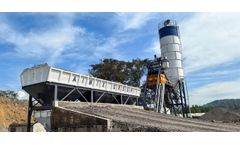
The technology achieves a measurable decibel reduction, transforming the plant’s acoustic emission from a dominant feature of the local soundscape to a level comparable to background urban traffic, facilitating a more harmonious integration into mixed-use and residential zones. Particulate Containment: Systems for Cleaner Air Dust emissions represent the most ...
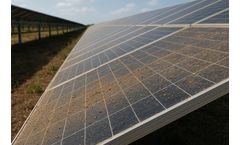
Soiling—accumulation of dust, dirt, pollen, agricultural residue, and other airborne particulates on PV module surfaces—causes light transmission losses and measurable power reductions. While its impact on ongoing operation is well established, soiling also affects capacity and performance testing, where even small losses can carry contractual and financial implications. Field studies indicate ...
These systems are essential for minimizing emissions and particulate matter, which can be detrimental to air quality. High-efficiency particulate air (HEPA) filters and electrostatic precipitators can capture and reduce harmful emissions before they are released into the atmosphere. ...
ByMacroad

How Plants Interact With Outdoor Air Pollution Plants play an active role in altering outdoor air quality. ...
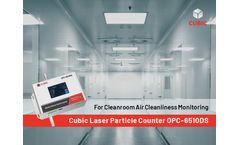
According to industry analyses released by SEMI, micro-contamination is a key factor affecting environmental stability in controlled manufacturing environments. As a result, cleanroom air cleanliness monitoring has become an essential part of facility-level contamination control and quality assurance programs. Particulate matter is one of the primary sources of ...

The vertical integration is the foundation that allows Cubic to deliver customizable yet mature combinations with proven mass-production experience. Cubic integrated cabin air quality sensing solutions include: PM2.5 + CO2 For In-Cabin Air Quality Monitoring PM2.5 + AQS For Outside Air Intake Control Cubic also offers extended combinations such ...

Introduction: Reliability When It Matters Most Industrial facilities rarely operate in controlled, comfortable conditions. Oil fields experience scorching desert heat. Offshore platforms endure high winds, salt spray, and brutal humidity. Chemical plants face corrosive vapors, particulate dust, and extreme temperature swings. In these environments, detection equipment must perform flawlessly ...
ByOPGAL

For decades, this fine, powdery by-product was considered a nuisance: dumped in landfills where it decomposed to release methane (a greenhouse gas 28 times more potent than CO₂ over 100 years), or burned haphazardly, choking the air with particulate matter. Today, however, converting sawdust to charcoal has emerged as a transformative solution—turning this ...

Comparison of Ozone, HEPA filters, bipolar ions, photocatalysis, and other sanitization systems for ambulances In recent years, ambulance sanitization has become increasingly central to the safety of healthcare workers and patients. There are various technological solutions available on the market for sanitizing the sanitary compartment, but not all guarantee the same level of effectiveness ...
Beyond regulation, following these standards helps improve air quality, creates a healthier workplace, and builds trust with clients and stakeholders. Steps to Ensure Compliance with Your Air Pollution Control Systems 1. Install the Right Air Filtration System Choose a system that matches your process requirements. ...
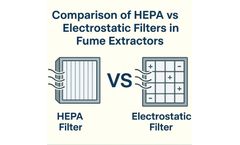
Choosing the Right Filter for Cleaner AirIndustrial processes like welding, soldering or machining all require efficient fume control and fume extractors play an important role in maintaining safe air quality. The filters inside a fume extractor is what traps the airborne pollutants before releasing the air into the atmosphere or back in to the shopfloor. ...