
Refine by
Air Pollution Articles & Analysis
3,161 articles found
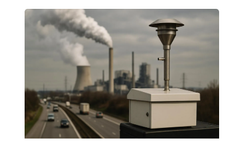
Particulate matter (PM) pollution remains a major air quality challenge worldwide. Source apportionment links measured PM to contributing sources such as traffic, biomass burning, or industrial emissions, enabling targeted control strategies and assessment of policy effectiveness.For policymakers, source apportionment supports targeted emission reductions, ...

Regulatory Reference Points by Region United States (EPA) Fenceline monitoring for specific pollutants is anchored in the Clean Air Act. An action level for benzene near refineries is defined as an annual average limit of 9 µg/m³, triggering investigation and corrective action when exceeded. ...

CADAIR: Direct Fired Thermal Oxidizer (DFTO) Manufacturer for Industrial VOC Treatment Beijing, China – June 2026CADAIR Air Technology (Beijing) Co., Ltd. is a leading Direct Fired Thermal Oxidizer (DFTO) Manufacturer in China, specializing in industrial VOC abatement systems for chemical, pharmaceutical, coating, printing, semiconductor, petrochemical, and advanced manufacturing ...
Project Background: Betely Photovoltaic Material Manufacturing Facility Betely New Materials is a Chinese manufacturer specializing in advanced materials used across the photovoltaic, electronics, and new energy industries.Its major products include:Photovoltaic Silver Powder Conductive Silver Paste Conductive Materials Silicone Resins Precious Metal Catalysts Electronic Chemicals As production ...
Introduction Hazardous waste incineration and rotary kiln roasting processes generate complex flue gases containing high concentrations of carbon monoxide (CO), sulfur dioxide (SO₂), nitrogen oxides (NOₓ), hydrogen chloride (HCl), hydrogen fluoride (HF), volatile organic compounds (VOCs), and even dioxins.As environmental regulations such as China’s GB 18484-2020 Standard for ...

Gravure printing, flexible packaging printing, laminating, coating, and converting processes rely heavily on solvent-based inks, adhesives, and coatings that release significant amounts of VOCs during production.Without proper treatment, these emissions contribute to air pollution, ozone formation, and health risks while exposing manufacturers to environmental ...
These emissions are among the primary air pollution sources in furniture production facilities. Typical furniture coating exhaust gas is characterized by: Large air volume Relatively low VOC concentration Complex pollutant composition Intermittent and fluctuating production schedules Paint mist and particulate contamination As ...

Introduction Soldering operations in electronics manufacturing generate more than just visible smoke. When flux compounds are heated during soldering, they release volatile organic compounds (VOCs), resin vapors, odors, and fine airborne contaminants that can accumulate rapidly in enclosed workspaces. While particulate filters capture smoke particles, gaseous contaminants require a different ...
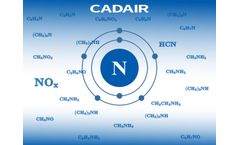
Core Difficulties in the Treatment of Nitrogen-Containing Organic Waste Gases Compared with ordinary VOCs, the treatment of nitrogen-containing organic waste gases is significantly more difficult, mainly reflected in: High risk of secondary pollution: During the high-temperature oxidation of nitrogen-containing organic compounds, nitrogen elements will be converted into toxic ...
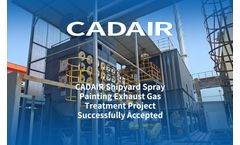
Shanghai Shipyard VOC Treatment Project Successfully Passed Acceptance Project Background In ship pretreatment lines, painting and drying processes release VOC-containing exhaust gases, including benzene compounds, alcohols, esters, and other hazardous organic pollutants. The new project was designed to treat exhaust gases generated from: Paint mixing processes Spray painting ...
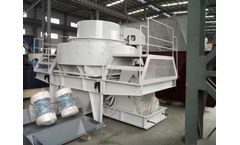
Traditional sand mining from rivers and natural deposits has caused significant environmental damage, including riverbed erosion, habitat destruction, and water pollution. As a result, many countries have imposed strict regulations or complete bans on river sand extraction. ...
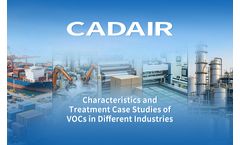
Volatile Organic Compounds (VOCs) are among the most common air pollutants generated during industrial production. Due to differences in manufacturing processes, raw materials, and production procedures, VOC emissions vary significantly across industries in terms of composition, concentration, airflow volume, and treatment difficulty. ...
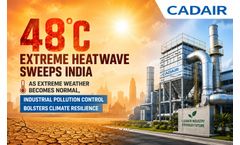
Especially in densely populated megacities, extreme heat combined with high humidity, air pollution and urban heat island effect forms a deadly "sweltering stew mode". The perceived temperature far exceeds the actual monitored temperature, worsening urban living environments. IV. Air Pollution: The Invisible Accelerator of ...
Introduction Soldering operations in electronics manufacturing generate fumes that contain flux vapors, fine particulate matter, and volatile organic compounds (VOCs). These fumes are released directly into the operator’s breathing zone and can quickly accumulate in enclosed workspaces if not controlled effectively. ...
Introduction Soldering is a critical process in electronics manufacturing, PCB assembly, and repair operations. While the process itself appears relatively clean compared to heavy industrial applications, soldering generates airborne contaminants that can accumulate rapidly in enclosed workspaces. These fumes are primarily produced when flux compounds are heated during soldering and may contain ...

Regulatory Reference Points by Region United States (EPA) Fenceline monitoring for specific pollutants is anchored in the Clean Air Act. An action level for benzene near refineries is defined as an annual average limit of 9 µg/m³, triggering investigation and corrective action when exceeded. ...
Introduction Electronics manufacturing processes such as manual soldering, wave soldering, and rework operations generate fumes containing flux vapors, fine particulate matter, and volatile organic compounds (VOCs). Although soldering fumes may appear less intense than welding fumes, prolonged exposure in enclosed workspaces can significantly affect indoor air quality and operator health. ...
An organic solvent recovery system is designed to capture, separate, purify, and recover VOCs from industrial exhaust air streams so the solvents can be reused in manufacturing processes. ...
Regulatory Reference Points by Region United States (EPA) Fenceline monitoring for specific pollutants is anchored in the Clean Air Act. An action level for benzene near refineries is defined as an annual average limit of 9 µg/m³, triggering investigation and corrective action when exceeded. ...

Unlike open burning, which releases pollutants and particulate matter, the rice hull carbonizer captures volatile compounds and converts them into usable thermal energy. ...