
Refine by
Algae Concentration Articles & Analysis
60 articles found
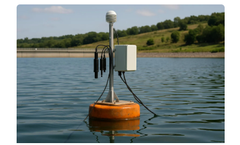
Some platforms also measure nutrients directly; for example phosphate concentration can predict bloom risk weeks before visible algae. Phosphate monitoring solutions offer early warning of nutrient loading that grab sampling would miss until densities spike. ...

Algae-free irrigation water for farms Where: Barren Box, Murrumbidgee Irrigation What: Barren Box storage dam is an integral part of the water management for Murrumbidgee Irrigation. ...
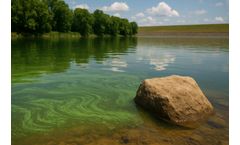
They are driven by geosmin and MIB, naturally occurring compounds produced by algae in source water reservoirs. While not health hazards at typical concentrations, their sensory impact drives complaints and erodes trust, and conventional treatment often cannot fully remove them. ...

Introduction A bloom doesn’t always arrive with a neat, predictable timeline. One week the water looks normal, the next you get green streaks along the downwind shore, then the surface turns into a patchwork. If that shift continues on to become large scale algal blooms, it’s no longer just a cosmetic issue, it’s an operational issue that requires careful management. For ...

Fresh water is reaching a breaking point. The question that is being asked by cities, farms, and others is similar: how can we maintain clean, dependable, and affordable? The core process of the solution is water technology, a viable combination of environmental science and technology. Small sensors, stronger filters, and chemical-free methods now give managers live information and real options. ...

Chemical-free approach controls cyanobacteria, improves water clarity, and supports fisheries in phosphorus-rich lake. Background Lake Tanglewood is a 255-acre reservoir located in the Texas Panhandle, surrounded by a private residential community of about 500 people. This recreational lake constantly receives highly treated wastewater from the city of Amarillo, located in the Texas Panhandle ...
Ultrasound treatment has proven to be a highly effective and eco-friendly solution for managing algae in aquatic environments. This innovative technology significantly reduces algae concentrations, achieving up to a 90% reduction. ...
In the battle against algae overgrowth in bodies of water, ultrasonic algae control has emerged as a highly effective and environmentally friendly solution. However, the success of this technology hinges on a fundamental factor: the choice of the right ultrasound frequencies. In this article, we will delve into why selecting the correct frequencies is crucial for treating algae and explore how ...

In addition, if the higher algae concentrations are accompanied by high algal toxin concentrations, an entire plant shut-down may be required to protect public health. Currently, the water industry relies on laboratory analysis that can take 2 to 5 days to detect algae. Faster detection of rising algae ...

Algal blooms are a severe ecological disaster that threatens aquatic systems around the world. They pose a threat to public health and biodiversity. To protect our interests, we need continuous monitoring and early warning systems. Most traditional monitoring methods, such as field measurements and sampling followed by laboratory analysis, are logistically tricky, time-consuming, and ...

Both gases are toxic when they are inhaled in high concentrations and are emitted by algae as it decomposes. ...

The most effective methodology for preventing an elevated Mn event in the distribution network is to reduce the concentration of soluble Mn forming in the surface water source and remove one of the main causes of a Manganese spike in drinking water. ...
ByCoftec

The advantage of this centrifuge for algae harvesting is its ability to produce in a single step, concentrate containing 15-25% solids with no addition of chemicals. ...

Microalgae Growth: Light IntensityMicroalgae growth tends to have a consistent relationship with light intensity. Even though light is a key ingredient in photosynthesis, it does not necessarily mean that more light will always yield greater productivity. In the illustrated graph (Fig. 1), the actual growth rates and intensities at different points along the blue curve vary with many factors, but ...

More technological advancements will be needed to ramp up production. Algae blooms in seawater present another major obstacle to current desalination technology. ...
Rising temperatures, prolonged water stagnation, extreme weather and increased runoff of nutrients from urban and agricultural lands are all compounding the algae problem. Especially in the summer months, when water temperatures increase, algal concentrations can grow exponentially and form dense surface scums. ...
Many different algal types can bloom in a water body. Some of these algae are plant cells, while others are bacteria. Algae may vary in size, shape and cell characteristics. Typically, the type of algae that blooms depends on water temperature and sun hours. As a result, algal types may change several times during a season. ...
Combined with our other monitoring tools, this system offers a unique way to detect the spatial and temporal patterns of nutrient concentrations which play a critical role in algae-related problems in lakes.In combination with a series of physiochemical data, this information can assist in determining the most optimal solution. ...

That helps make Okeechobee a perfect algae nursery. A popular movement emerged to finance the purchase of land between Lake Okeechobee and the Everglades to restore their primeval link and create holding reservoirs where the water could be treated before being allowed to flow southward into the Glades. ...
” Some of the ecological issues were precipitated by low water levels and high concentrations of blue-green algae. Sproles added: The study shows how incredibly sensitive the region’s snowpack is to increasing temperatures. ...