
Refine by
Algae Extraction Articles & Analysis
15 articles found

Due to its unique and rich content of life-giving elements, Dunaliella salina has been hailed by the world's scientific community as the "powerhouse of the cell" and the "protector of life". Dunaliella salina and its extracts are new food ingredients, which are semi-fluid (extracts) or powdered products (Dunaliella salina powder) made from salt ...
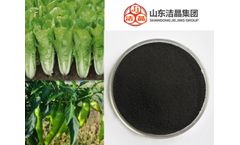
The abundant marine biological resources are a material treasure house for the development of ecological agriculture. Seaweed extracts is one of the algae products from marine biological resources. ...
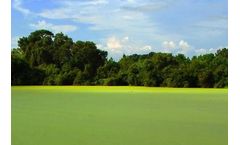
Algal blooms have been hitting the headlines with alarming regularity over recent years. The reason for this is simple: their effects can be devastating. The Florida bloom is proving damaging in the US, with reports of fish kills along the coast, and residents forced to evacuate. However, you may not know that algae blooms are occurring all over the US and spreading across its borders. They are ...

There has been increasing interest in algal protein, as algae have been found to have relatively high protein content for plants. Algae can be genetically modified to produce chemicals that can then be extracted from the algae themselves – this is the same premise behind algal biofuels – and this also applies to ...

Dilution series were prepared from freeze-dried samples of microalgae which were submitted twice to freezing and melting before extraction of the water soluble cyanotoxins. The concentration series used for each microalgal extract ranged from 0.3 mg/ml to 5.0 mg/ml. ...

Storlien and his colleagues, and as a result, the instrument has also been employed on two other bioenergy-related projects, both of which utilised the FTIR to measure GHGs from soils in greenhouse experiments. In a project involving algae-biofuel production (extracting lipids from aquaculture-farmed algae to produce liquid biofuels) researchers ...
Storlien and his colleagues, and as a result, the instrument has also been employed on two other bioenergy-related projects, both of which utilised the FTIR to measure GHGs from soils in greenhouse experiments. In a project involving algae-biofuel production (extracting lipids from aquaculture-farmed algae to produce liquid biofuels) researchers ...

Previous studies have demonstrated the potential for impacts to the salamander embryo when growth of the algae is impaired by exposure to herbicides. To further investigate this relationship, we characterized the response of the symbiotic algae (Oophila sp.) alone to the PSII inhibitor atrazine under controlled laboratory conditions. Following ...

We investigated the availability of different forms of particulate soil phosphorus (P) to Microcystis aeruginosa by sequential extraction and bioassay. We cultured M. aeruginosa in media containing, as the sole source of P, soils sequentially extracted with 1 M NH4Cl, 0.11 M bicarbonate dithionite, 1 M NaOH, and 0.5 M HCl. ...

Energy efficiency methods coupled with environmental and economic sustainabilities would render biodiesel production attractive. Algal cultivation and oil extraction processes are found to be energy intensive hence exergy destructive. ...

As it is, water-deficit India can barely meets it agricultural needs — cumulative losses due to transpiration are 50-100 per cent higher than the rainfall. Producing 10 grams of algae per square metre from a water body daily will lead to a water loss of 10 litres and a conservative oil content of 20 per cent from the algae. ...

This week I interviewed Riggs Eckleberry, CEO or OriginOil, a company that has found a highly efficient way to harvest algae and extract its oil, a process that takes advantage of algae’s sensitivity to electrical fields. The approach promises to save both energy and water in processing algae. As Eckleberry puts it, ...
Algogenic organic matter (AOM) was extracted from blue-green algae (cyanobacteria) and its characteristic was determined by various methods including high-pressure size-exclusion chromatography (HP-SEC), hydrophobic and hydrophilic fractionation, molecular weight (MW) fractionation and fluorescence excitation emission matrix (EEM). ...

Brominated furanones, originally extracted from the marine alga Delisea pulchra, are known to interfere with biofilm formation in several pathogens. ...

Laboratory media are composed of agar, a gelatin-like substance derived from algae, and a nutrient source, such as malt extract. In order for the fungus to grow, it must develop from a viable spore or fragment of hyphae. ...