
Refine by
Algae Fuel Articles & Analysis
27 articles found

When the hypolimnion becomes anoxic and phosphorus releases from sediment, vertical profiling detects it before nutrients reach the surface and fuel algae growth. Remote Sensing from Satellite and Aerial Platforms: Multispectral satellite imagery estimates chlorophyll-a and maps algae distribution across thousands of hectares. ...

Algae blooms and rising treatment costs can follow, even when status indicators show green. ...

The dangers that come with algal blooms As we move deeper into 2025, the challenges surrounding algae management in recreational lakes continue to demand innovative solutions. Algae blooms are often fueled by nutrient pollution and climate change. ...

WARNING: Diesel Algae/Bacteria Alert!** Is your fuel system at risk? Watch for these warning signs: Contamination: Check for sludge or dark layers at the bottom of the tank. Testing: Collect a fuel sample to analyze for harmful microbes using available kits. Filters: Look for blockages or slime on fuel filters. ...
Key Issues to Address Microbial colonies can be a significant threat in fuel tanks. They thrive when fuel and water coexist, leading to contamination and tank deterioration. Factors like warm weather and increased biofuel use worsen this risk. Once established, these colonies can consume up to 1% of your fuel investment, causing considerable ...

Hurricanes are some of nature’s most powerful and unpredictable phenomena, known for their intense winds and heavy rainfall. When these destructive storms strike, they unleash massive amounts of water, flooding freshwater systems and causing widespread ...
Addressing the Issue In every fuel tank, microbial colonies have the potential to flourish. While microbes are ubiquitous, they require fuel and water to proliferate. When water is present in the tank, these microbes find optimal conditions for growth, leading to fuel contamination and tank degradation. Factors such as warm weather and the use of biofuels can exacerbate this issue. Once ...
Bacteria found in diesel fuel primarily belong to two main types: aerobic and anaerobic bacteria. These bacteria can thrive in the water that accumulates in fuel storage tanks and fuel systems, especially when there’s a lack of proper maintenance or when the fuel is ...

After many years of careful analysis of mountain lakes, Juan Manuel González-Olalla and James Powell discovered that dust deposition from atmosphere fuels algae growth. The research emphasizes the unprecedented occurrence of toxic algal blooms in mountain lakes. ...

Algae are a common occurrence in all marine and freshwater ecosystems, and they play an important role in both coastal fisheries production and ecosystem function. However, they can also lead to major environmental problems. Algae blooms occur when algae grow rapidly and form dense, visible patches on the surface of bodies of water. While some algae blooms are harmless, others can release toxins ...
Does your additive claim it is a premium 6-in-1 diesel additive or is a total injector cleaner and performance improver? Some magically make water burn off, to raise fuel cetane, to solve the gelling problem and more all in one bottle. The more things it claims to do, the less chance it can actually do any think ...
Hey there! Are you tired of your diesel fuel getting contaminated and causing all sorts of problems for your equipment? Our portable fuel polishing system is here to save the day (and your ...

If you would’ve been here four weeks ago, you wouldn’t be able to see a foot in the water because the algae were so thick.” In the past, Rick and his team tried adding carbon and potassium permanganate, but they couldn’t get rid of the algae in order to bring their turbidity levels down. ...
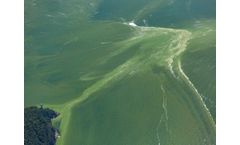
Some harmful algal blooms (HABs) release toxins, causing illnesses in people, animals, and damaging the environment; New research links an algal toxin to neurological problems; People with liver disease are more prone to suffering from neurological problems caused by the blooms; HABs are more frequent and abundant. Learning which types are harmful and how to avoid contact with them is ...
Technically speaking, algae cannot grow inside of a diesel fuel tank. Algae requires sunlight to grow, so it’s impossible for it to thrive in the darkness of a diesel fuel tank. However, there are microbes like mold, bacteria, and fungus that can find their way into your diesel fuel tank and wreak havoc in ...

Second, sulfur acts as a natural biocide that helps prevent microbial growth in diesel fuel tanks. This microbial growth in diesel fuel is not algae, although many people think it is. ...

Sediment microbial fuel cells (SMFCs) are bio-electrochemical devices generating electricity from redox gradients occurring across the sediment–water interface. Sediment microbial carbon-capture cell (SMCC), a modified SMFC, uses algae grown in the overlying water of sediment and is considered as a promising system for power generation along with algal ...

These include anaerobic digestion, thermal conversion, heat recovery, microbial fuel cells, algae bioreactors, and hydro turbines, according to the paper *”Energy Production and Efficiency at Wastewater Treatment Plants” written by Allison Deines, Director of Special Projects Water Environment Research Foundation (WERF). ...

The winners of the 2015 PGCCAs include Algenol, for the development of algae to produce fuels; Hybrid Coating Technologies/Nanotech Industries, for the development of a plant-based polyurethane; LanzaTech, for the development of a process that produces fuels and chemicals from waste gas; Soltex, for the development of a reaction process that ...
The legislation would provide investors in renewable energy projects with tax breaks that are currently available to investors in fossil fuel-based energy projects. A master limited partnership is taxed as a partnership, but ownership interests are traded like corporate stock, thus avoiding the double taxation that can occur with traditional corporate structures when both profits ...