
Refine by
Algae Research Articles & Analysis
38 articles found

How to Inoculate Industrial Plankton Algae Photobioreactor (PBR)? The inoculation process with Industrial Plankton photobioreactor (PBR) systems is designed to be easy and user-friendly. ...
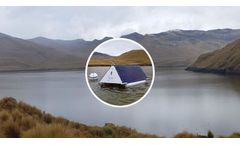
The world’s freshwater systems are undergoing significant changes due to rising temperatures, fluctuating acidity, and shifting nutrient concentrations, impacting their functionality. Researchers are revealing alarming shifts in mountain headwaters that supply freshwater to almost half the global population. ...
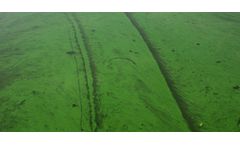
Scientists at the Carnegie Institution for Science have made a significant discovery regarding the temperature conditions that promote the growth of algal toxins. Their research indicates that regions at higher latitudes face a heightened risk of dangerous levels of a common algal toxin called microcystin when the temperature ranges between 20 and 25 degrees Celsius (68 to 77 degrees ...
When we think about global warming, we usually blame cars and factories for pumping out those heat-trapping gases. But what if we told you that little algae, the ones you find hanging out in lakes, also have a historical role in this climate tale? ...
In this article, we will discuss blue-green algae and how it can be monitored by PME products.How are HABs Formed? Sunlight, slow-moving water and nutrients such as nitrogen and phosphorus all contribute to the creation of harmful algal blooms. Nutrient pollution causes algae to overgrow which lowers the levels of dissolved oxygen in waters. ...

Furthering its logging range, the miniDOT® Logger has proven beneficial in research studies such as dead zone tracking, thermocline occurrences, temperature stratification and ocean mixing, algae blooms and more. By expanding research applications through increased depths, the miniDOT® Logger will continue to assist researchers ...

Furthering its logging range, the miniDOT® Logger has proven beneficial in research studies such as dead zone tracking, thermocline occurrences, temperature stratification and ocean mixing, algae blooms and more. By expanding research applications through increased depths, the miniDOT® Logger will continue to assist ...
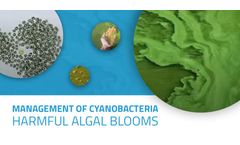
In this article, we will discuss blue-green algae and how it can be monitored by PME products.How are HABs Formed? Sunlight, slow-moving water and nutrients such as nitrogen and phosphorus all contribute to the creation of harmful algal blooms. Nutrient pollution causes algae to overgrow which lowers the levels of dissolved oxygen in waters. ...

As algae-based research rises in prominence for its potential in renewable energy production and climate change mitigation, the need for high-precision analytical equipment is paramount. Hiden Analytical is excited to announce that the Hiden HPR-40 DSA (Dissolved Species Analyzer) is proving to be a perfect research tool in the rapidly evolving ...

Introduction In the era of climate change, understanding the shifting dynamics of marine ecosystems is paramount. With rising global temperatures, marine fish populations are responding by altering their spatial distributions, opening up a new frontier in marine biology research. For researchers probing this environmental enigma, the Hiden HPR-40 Dissolved Species Analyzer (DSA) offers an ...

Algae are a common occurrence in all marine and freshwater ecosystems, and they play an important role in both coastal fisheries production and ecosystem function. However, they can also lead to major environmental problems. Algae blooms occur when algae grow rapidly and form dense, visible patches on the surface of bodies of water. While some algae blooms are harmless, others can release toxins ...

If you’ve read any of our blogs, you already know the plethora of negative impacts of harmful algal blooms (HABs). From depleted oxygen levels to fish kills, and from skin irritations to liver damage, the consequences of these blooms are well-documented. But when we think of harmful algal blooms (HABs), we typically imagine warm weather and stagnant water, with greenish-blue scum covering ...

This can sink blue-green algae and disrupt their life cycle, or affect the inner cell membrane of other types of algae, causing it to separate from the outer membrane. If you’re interested in learning more about using ultrasound to control algae growth in water treatment plants, check out the research paper ...
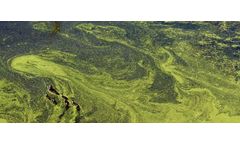
Human activity is warming the climate around the world and polluting the environment Microcystin, the substance that makes algal blooms toxic Krausfeldt’s study unveiled 30 kinds of cyanobacteria that had never before been detected Summer brings hours of sunshine, lazing about with friends and enjoying the warmth of the season, but it also wakes up a sinister plague that ...
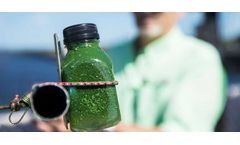
An innovative field study in Southwest Florida has identified several neurotoxins in the state’s air and water. The three forms of BMAA – beta-Methylamino-L-alanine – are associated with brain diseases. The study conducted by Calusa Waterkeeper volunteers and analysed by Wyoming’s Brain Chemistry Labs identified two forms of BMAA in every sample from 945 completed over ...
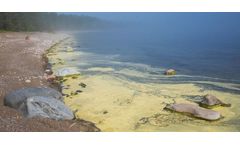
Researchers find fish-killing algae thrive in light conditions associated with climate change A new University of Delaware study shows that changing light conditions associated with climate change will significantly increase the growth and impact of harmful algal blooms, creating powerful and persistent disruptions in the food web. ...

The Animal-Free Cultivated Meat Startup Landscape Here’s the full list in alphabetical order: Aleph Farms (Israel, 2016, beef) — this crew are planning on cultivating their steaks in space; their ideas are literally out of this world (famous for getting the first ever head of a government to try cultivated meat) Alife Foods (Germany, 2019, beef) — consumer-first and ...
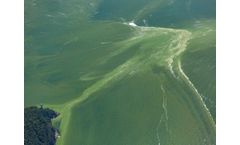
Some harmful algal blooms (HABs) release toxins, causing illnesses in people, animals, and damaging the environment; New research links an algal toxin to neurological problems; People with liver disease are more prone to suffering from neurological problems caused by the blooms; HABs are more frequent and abundant. Learning which types are harmful and how to avoid contact with them is ...
(For more on Multus, check out our recent interview with company CEO Cai Linton.) Back of the Yards Algae Sciences manufactures food ingredients like dyes and protein powders—all from algae. The company is experimenting with an algae-based culture medium in their research and development lab, seeking solutions for beef, ...
Data is essential in water treatment, as it allows for a better understanding of the 'why', 'how', and 'when' of harmful algal blooms ...