
Refine by
Alternative Fuel Articles & Analysis
556 articles found

Pyrolysis oil derived from waste tires may serve as an industrial fuel alternative for boilers, cement plants, and certain refinery applications. Non-condensable syngas generated during the process is frequently recycled to sustain reactor heating, thereby reducing external fuel consumption. This internal energy reutilization mechanism enhances ...

Ensuring controlled air split between tire combustion and kiln inlet for stable operation without gas overfeeding or process ...
As a result, the overall carbon footprint of the process is considerably lower, making it a more sustainable waste-to-energy option. 3. Energy Recovery and Alternative Fuel Production An oil sludge pyrolysis plant plays a vital role in converting waste into usable energy, specifically in the form of synthetic oil and gas. The oil produced during pyrolysis can be ...
Pyrolysis oil can serve as an alternative fuel, carbon black can be used in rubber and construction industries, and syngas can generate electricity or heat. Each ton of plastic processed through pyrolysis reduces dependency on fossil fuels and diverts waste from environmentally harmful disposal methods. ...
In a world where air pollution and carbon emissions are pressing issues, finding sustainable fuel alternatives is more important than ever. Traditional fuels, such as coal and firewood, not only contribute to deforestation but also release harmful smoke and greenhouse gases. ...
As industries seek renewable alternatives, biochar production, particularly through a wood pyrolysis plant, is poised to play a key role in shaping future resource markets. ...
This process not only helps manage agricultural waste but also contributes significantly to renewable energy production, offering a sustainable alternative to traditional fossil fuels. Understanding the Straw Charcoal Making Process A straw charcoal making machine utilizes pyrolysis, a thermochemical process that decomposes organic materials in the absence of ...

This article explores the leading trends shaping energy‑efficient RTG cranes—from hybrid power systems and regenerative technologies to smart controls and alternative fuels.1. The Push Toward Energy EfficiencyRTG cranes were traditionally powered by large diesel engines. ...
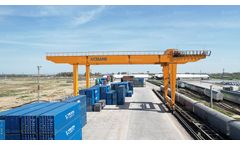
Electrification and Sustainability in Crane OperationGreen manufacturing doesn’t stop at production—it extends to how the cranes perform in real use.Electric and Hybrid Power OptionsModern container gantry cranes are increasingly electrified:Full electric operation reduces fuel use and emissions while enabling regenerative braking.Hybrid systems combine electric drives with ...

Introduction Energy efficiency is a top priority in dredging today. The industry uses massive amounts of energy to move solid and muddy materials. Rising fuel costs and the push to cut CO2 emissions require companies to improve every step of the dredging process. Technology and operational choices can change up to 30% of a project's total energy use. This makes energy efficiency vital for both ...

In line with the principles of “resource reduction, harmless treatment, and reuse,” the project integrates advanced equipment and smart management systems to minimize environmental impact and maximize the value of waste materials. The facility serves as a crucial part of the region’s circular economy strategy. The project is capable of processing up to 600 tons of renovation ...

It is much lighter than the glass or metal alternatives and can therefore reduce fuel and carbon dioxide emissions throughout the logistics process. ...

Hybrid Power SystemsFor terminals unable to fully electrify, hybrid power technology provides a viable alternative. Hybrid RTG gantry cranes combine a downsized diesel generator with energy storage systems such as lithium-ion batteries or supercapacitors.How it works: The diesel engine operates at optimal efficiency, charging the batteries, while stored energy powers crane ...
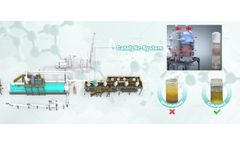
Industrial Integration A waste plastic to fuel machine for sale in today’s market may incorporate catalytic reactors as a core feature. ...
A Market with Long-Term Potential The global BBQ charcoal market is projected to grow steadily over the next decade, fueled by outdoor leisure trends, eco-awareness, and increasing demand for natural fuel alternatives. ...
Selling Desorbed Oil: Turning Waste into Fuel The second key profit driver for thermal desorption is the sale of the extracted oil. The heating process not only removes contaminants from the sludge but also yields a byproduct: a liquid oil that can be sold as a low-grade fuel or further refined into usable products. How it works: The thermal desorption process ...
As the world moves toward a low-carbon future, alternative fuels and circular economy solutions are gaining unprecedented attention. Among them, pyrolysis oil—a renewable liquid fuel produced from the thermal decomposition of biomass or plastic waste—holds immense promise. ...
The resulting charcoal is high in fixed carbon and low in ash, making it ideal for: Barbecue and grilling markets Activated carbon production Industrial fuel Agricultural biochar By converting shells into charcoal, coconut-producing regions are now able to generate new products with higher market value, reducing reliance on exports of raw coconuts or oil alone. ...
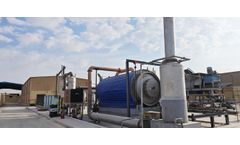
With a heating value ranging from 40 to 44 MJ/kg, it serves as a practical alternative to diesel or heavy fuel oil. Further refining can convert it into lighter fuel fractions or even base oil for lubricants, depending on downstream capacity. ...
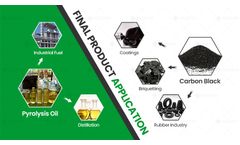
The final products of waste tire pyrolysis and their applications are as follows: One of the main products of waste tire pyrolysis is pyrolysis oil (45%). These fuel oils have a high calorific value and can be used as an alternative fuel for industrial boilers and kilns, effectively reducing the company's dependence on traditional fossil ...