
Refine by
Aquaculture Practice Articles & Analysis
16 articles found
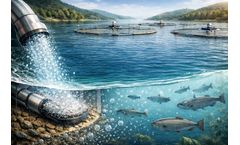
Nanobubble Tech for fish farming is changing aquaculture practices on all levels. The technology enhances water quality. ...
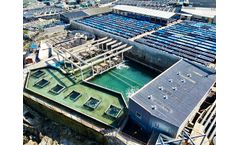
Since 2017, the company had made a large investment to protect the farm from such events, and could now close the intake point and temporarily run their operation as a recirculating aquaculture system (RAS) when conditions in Walker Bay posed risks to the abalone. ...
Algae growth significantly challenges water quality, leading to substantial impacts on aquatic life, particularly fish. Excessive algae can deplete oxygen in the water and release harmful toxins, which can be detrimental to fish health and survival. Ultrasound control of algal blooms has emerged as an innovative and effective water treatment method. It has not only been proven safe for aquatic ...

The end result one would expect is a sustainable industry with effective controls in place for minimizing the impact of disease on aquaculture. Although aquaculture has been practiced for a very long time it is only relatively recently that is has grown exponentially. ...
According to Natural Resources Conservation Service Conservation Practice Standard, aquaculture tanks and raceways exist to “provide a facility containing flowing water of suitable temperature and quality for dependable production of fish, to manipulate the chemical, physical and biological factors to enhance fish production and to maintain water ...
ByAquasend
Introduction: Recirculation Aquaculture System (RAS) is a generation in which water is recycled and reused after filtration and elimination of suspended rely and metabolites. ...
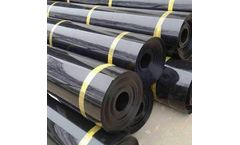
Every aquaculture pond liners’ initial role is to maintain the water in your pond. ...
Feeding 8 billion plus people is no trivial matter. I firmly believe that aquaculture, when practiced sustainably, is an important part of the solution. ...
The first installment in the series “Happy Fish – How Aquaculture Operators are Growing Better Fish.” It’s important for any aquaculture business to stay on top of the leading industry trends in order to be successful. However, it can be daunting to to know where to start or who to turn to for advice. After all, time and money is a precious ...
They are part of a broader global movement encouraging all industries — including aquaculture — to adopt more sustainable practices. Recirculating Aquaculture Systems: A Model of Sustainability Within the aquaculture industry, Recirculating Aquaculture Systems (RAS) technology enables the most ...

Moreover, the expansion of aquaculture is also restricted due to land costs and by its strong dependence on fishmeal and fish oil. ...

Early Sustainable Aquaculture Aquaculture traces its roots back thousands of years. Local farmers and fishers have cultured fish, mollusks, and crustaceans for generations, using traditional methods and local ingenuity to improve their living conditions through low-intensity aquaculture. Though these systems produced low yields, production was ...
ByVinnbio

Improvements have been made in handling practices of fishermen, traders and auctioneers, and enhancing aquaculture practices of small scale fish farmers to improve the viability and profitability of fish farms. 3.Living habits In Indonesia, annual per-capita consumption of fishery produce amounted to 33.8 kg in 2012 after rising rapidly over ...
A recent feature in National Geographic illuminates the issues surrounding a major shift toward aquaculture. For instance, salmon, known to require a large amount of feed when farmed, are seven times more efficient than beef in “feed conversion ratio,” the amount of feed an animal needs to gain a pound of body mass. ...
ByEnsia
It’s not all smooth sailing on the aquaculture seas, however. Organic wastes from aquaculture can foul waterways. ...
ByEnsia
The advantages and disadvantages of culturing fish. Experts develop practical recommendations for decision-makers, scientists and producers for a sustainable development of Mediterranean aquaculture. ...