
Refine by
Aquatic Environment Articles & Analysis
348 articles found

Additionally, the use of biochar in wastewater treatment has gained attention, as it can adsorb pollutants, improve water quality, and reduce harmful emissions in aquatic environments. The renewable energy sector also sees potential in biochar, especially when derived from processes such as a wood pyrolysis plant. ...

The liner system reduces water seepage, improves water quality management, and helps farmers increase productivity while maintaining a cleaner aquatic environment. South America Landfill Project — Municipal Landfill Containment System, Chile: EarthShield HDPE geomembrane liners were adopted to build a reliable containment system. ...

Background Information Natural, glacial kettle lake formed over 12,000 years ago Considered a “Priority Lake” meaning it is considered an outstanding natural resource and needing protection and long term management 423 acres of lake surface, 1.43 miles long with 4.13 miles of shoreline Maximum depth is 44’ with an average depth of 18’ Part of the Mississippi ...
Background Information Kinnic River is 9.6 miles long and 93% urban land cover Watershed covers about 25 square miles and is home to 145,000 people Located in one of the most populated and poorest areas of the City of Milwaukee Flows into Lake Michigan through the Milwaukee Estuary Restoration efforts are underway to improve its ecosystem and address flood risks ...
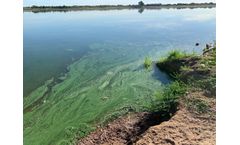
Excessive algae growth can transform a beautiful lake into an unsightly, potentially dangerous water body that threatens aquatic life and creates other problems such as fish kills and swimmers itch. ...

Fortunately, some products have been developed to help maintain a healthier aquatic environment during containment and ...

In the Philippines, aquaculture is one of the most important industries, but many fish farmers face common challenges such as water leakage, unstable water quality, and high maintenance costs. One of our clients, a local fish farmer, was planning to expand his business with five new ponds, each around 2,000 square meters. To ensure long-term durability and better water management, he chose our ...

Blue-green algae naturally occur in many aquatic environments and are a normal part of the ecosystem. Cyanotoxins produced by cyanobacteria cannot be visually detected in water or tissues. ...
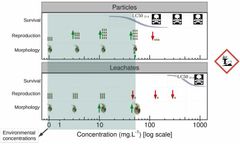
Particles from the tread of vehicle tyres are a global pollutant, which are emitted into the environment. Recent research highlights the chronic toxicity of tyre-tread particles and leachates on Daphnia magna, a key species in freshwater ecosystems. These tiny water fleas play a critical role in maintaining the ecological balance, but exposure to microplastics and chemicals from ...

Water clarity, swimmer comfort, and equipment longevity all depend on the precise control of dissolved gases in swimming pools. Yet, many pool operators focus solely on pH and chlorine levels, overlooking how gases like carbon dioxide (CO2), oxygen (O2), nitrogen (N2), and chlorine (Cl2) influence water chemistry. Excess dissolved gases can lead to pH imbalances, corrosion, cloudy water, and ...
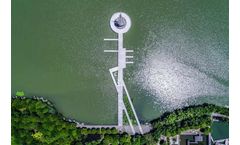
An aeration system for ponds is essential in encouraging water circulation, increasing oxygen levels, and enhancing the overall aquatic environment. Whether you have a small backyard pond or a massive water feature, it is critical to understand the role of aeration in pond systems. ...
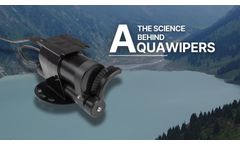
When it comes to controlling algae growth in lakes, reservoirs, and large water bodies, the MPC-Buoy technology is a trusted solution worldwide. But what truly sets the MPC-Buoy algae solution systems apart is its AquaWiper, a self-cleaning system designed to maintain the effectiveness of our ultrasound transmitters and water quality sensors. Biofouling, barnacle growth, and other organic ...

Understanding the Role of Muck Pumps What is a Muck Pump? A muck pump is a highly specialized pumping system designed to remove accumulated sediment, sludge, and organic debris from various environments. These pumps, often referred to as trash pumps (often incorrectly), leverage centrifugal force to efficiently transport muck and solids, making them particularly effective in handling thick, ...

Lakes play a vital role in providing drinking water, recreational activities, and biodiversity conservation. However, growing environmental challenges, including harmful algal blooms (HABs), climate change, and increasing human pressures, demand innovative approaches in lake management. This article examines five critical areas where innovation is essential and offers evidence-based ...
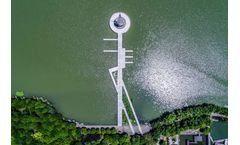
The oxygen which is introduced into the water causes a remarkable improvement of the water quality, the aquatic life, and the balancing environment for all. This solution-framed approach that occurs in nature within a cost-effective frame makes a dream of what may be possible at the end of traditional treatments. ...

What are the greatest challenges in your research lab? The most common difficulties are often mundane, such as delayed data analysis. Sometimes, they are more involved, such as the need for versatile tools to monitor dynamic reactions. The solution isn’t always a new analytical tool, but systems like real-time mass spectrometry (RTMS) can go a long way to resolving persistent research ...

The intake screen can withstand harsh aquatic environments, preventing debris and aquatic life from entering treatment facilities. Our Conada intake screen is ideal for various water treatment processing, including municipal water treatment plants, industrial water treatment, and marine ecological environments. Our wedge wire ...
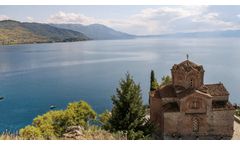
Most lakes are geologically young, usually forming within the last 10,000 to 20,000 years. But ancient lakes have been around for thousands to millions of years, making them unique. These lakes are home to one-of-a-kind ecosystems, with species that have evolved over millions of years. They also hold layers of sediments with fossils that give us clues about Earth’s past climates and ...
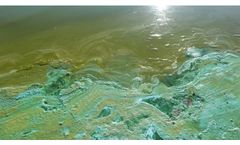
In an era where agriculture is essential for sustaining the global population, it’s crucial to examine the unseen threats that farming practices pose to aquatic ecosystems. While modern farming techniques have significantly boosted food production, they have inadvertently introduced risks that could undermine the very foundations of our aquatic ...
Ultrasound treatment has proven to be a highly effective and eco-friendly solution for managing algae in aquatic environments. This innovative technology significantly reduces algae concentrations, achieving up to a 90% reduction. ...