
Refine by
Aquatic System Articles & Analysis
132 articles found
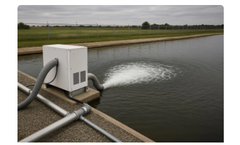
Modern systems enable long-term environmental and operational objectives.Why oxygen transfer is importantOxygen transfer directly affects water quality. ...

Location: Germany Background: Stephan is a well known high end breeder of freshwater Angelfish, Pterophyllum scalare, in Germany with over 35 years ...

Blue-green algae, or tiny organisms called cyanobacteria, are a growing concern in freshwater systems worldwide. Blue-green algae naturally occur in many aquatic environments and are a normal part of the ecosystem. ...
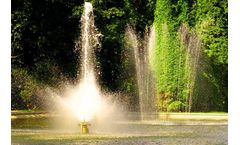
A healthy and visually pleasing pond demands the proper equipment. Whether homeowner, commercial property owner, or farmer, effective aeration and de-icing are the keys to keeping water clean, oxygenated, and ice-free when necessary. At Puroxi Pure Water Global Inc., we’re proud to have been leading in water quality for decades, and we’re now thrilled to be able to provide ...
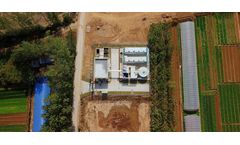
Superior effluent quality: MBR systems are known for producing high-quality effluent that is free from suspended solids and pathogens. ...

Despite their diminutive size, small water bodies like ponds make up the majority of our world’s still water systems. It is estimated that 95% of Earth’s still water systems measure less than 10 hectares; and of that percentage, most rarely even exceed a single hectare (2.5 acres). ...

By recovering nutrients for reuse, anaerobic digestion also helps to protect aquatic systems from runoff and prevents overfertilization of agricultural lands. ...

This enables prompt action in case of contamination events and helps protect aquatic ecosystems. 2.2 Early Warning Systems By detecting changes in water quality parameters, water quality sensors can serve as early warning systems for potential contamination events or ecological imbalances. ...
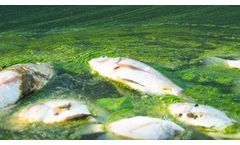
As a concept in engineering and environmental management, in parallel with solution-proposals, consideration is also given to the consequences of inaction and leaving a challenge unmet with solutions. The “do-nothing” approach to managing algal blooms, therefore, involves taking minimal or no action to actively control or mitigate the effects of algal blooms in natural bodies of water ...

This salinization is changing the water chemistry of these freshwater systems and is having a negative impact on the aquatic species that live there. ...

Since the explosion of plastic consumption and production starting in the 1950s, billions of tons of plastics have been produced, and microplastics form during the manufacturing, product use, and breakdown of plastics1. Due to microplastics being released during the entire product life cycle, people are exposed to microplastics in our air, food, and water. Awareness of microplastics in water and ...

Algal blooms are a severe ecological disaster that threatens aquatic systems around the world. They pose a threat to public health and biodiversity. To protect our interests, we need continuous monitoring and early warning systems. Most traditional monitoring methods, such as field measurements and sampling followed by laboratory analysis, are ...

Cyanobacteria are a type of photosynthetic bacteria and are found in aquatic environments all over the globe. They are some of the earliest photosynthetic organisms and might have given rise to chloroplasts, the parts of plant cells where photosynthesis takes place. Cyanobacteria are known to shape aquatic communities and can cause massive blooms that reduce ...
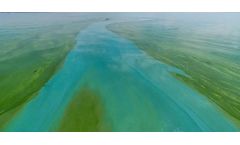
Effective wastewater treatment can prevent overgrowth of the harmful algal blooms that release the toxins Blue-green algae are single-celled photosynthesizing bacteria, known as cyanobacteria, that are found in both fresh water and marine ecosystems all around the world. When sunlight and nutrients (nitrates and phosphates) are plentiful, they multiply rapidly, forming dense algal blooms that ...

It can also additionally shape on a extensive kind of surfaces, along with residing tissues, scientific devices, commercial or potable water device pipe or herbal aquatic systems. A well-assorted organism inclusive of algae, micro organism, protozoa, arthropods, etc. can be determined withinside the biofilm assemblage. ...
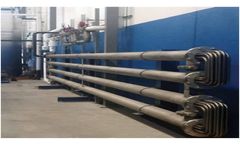
Not only does this heat recovery system benefit the local water systems and the balance of aquatic life, but the anticipated reduction in greenhouse gas from energy production is estimated to be 1,900MT CO2e annually.UTD is already TRSA Clean Green Certified and the heat recovery system installation reinforces their green ...

The latest revision on the guidelines was done in 2018 and is a powerful tool for water managers to assess, manage, and monitor water quality in aquatic systems. Consequently, the guidelines support community values connected with water, for instance, aquatic plants and animal life. ...

Both fish and crustaceans live in an immersed aquatic environment, where their chemioperceptive system receives permanent stimulation by soluble compounds. ...

Because of the highly damaging effects of oil hydrocarbon pollution on waterways and the environment in general, businesses are required by law to ensure their wastewater and stormwater runoff are pre-treated for oil pollution before entering the sewer system. The first line of oil wastewater treatment is the Oil/Water Separator. Find out how oil/water separators work, what they offer, and how ...

Recycling Water / Reuse Systems Large Aquatics and Pools Cooling Tower / Fire Water Systems Food & Beverage Processing Marine Vessels / Oil Platforms Oil Drilling Injection Systems Water & Wastewater Treatment Systems Hospital, Industrial, Commercial The Scienco® SciCHLOR® makes sodium ...