
Refine by
Aquatic Vegetation Articles & Analysis
17 articles found
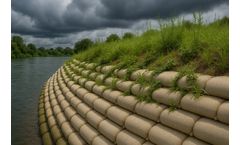
Flooding has long been one of the most pressing environmental challenges in India. With climate change intensifying rainfall patterns, urban expansion reducing natural drainage, and river systems under constant stress, the frequency and severity of floods are increasing at an alarming pace. According to the Ministry of Home Affairs, nearly 12% of India’s land area is prone to flooding, ...
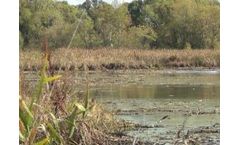
Minnesota has 10.6 million acres of wetlands. 43% of U.S. threatened or endangered species live or depend on wetlands. The state has lost abut 50% of its original wetland acreage. Wetland quality is largely degraded in developed parts of the state. Native vegetation is found in 67% of wetlands in the northern region. ...

Premier angling destination with a robust and diverse fishery. Abundance of aquatic vegetation including milfoil, hydrilla and eelgrass. ...
2500-acre flowage created by a dam across the Fox River. Mostly a muck bottom with portions as sand. 13.1 miles long with 32.2 miles of shoreline. Watershed area is 600 square miles. Permanent and seasonal homes with much of the lakeshore footage wooded and undeveloped. ...

Additionally, the growth and decay of aquatic vegetation can contribute to fluctuations in turbidity. Anthropogenic Sources Human activities significantly contribute to increased turbidity in wastewater. ...
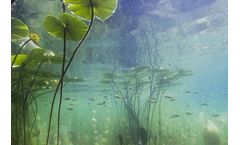
Aquatic plants fulfill various ecological roles; they are a natural part of every lake and their surroundings, and they interact with a wide range of organisms. When restoring a lake’s ecosystem, it is crucial to assess its aquatic vegetation ...
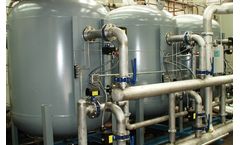
To humans, ammonia is more dangerous in its gaseous form, but prolonged exposure in drinking water could cause some side effects. Mostly it is dangerous for aquatic life and vegetation in higher doses. It is rather difficult to remove by most conventional treatment methods. ...

This is the beginning of a hazardous cycle that includes: Limitation of vegetation growth Disruption to the aquatic ecosystem Damage to infrastructure, which can cause more urban runoff water to accumulate Cost hikes for local councils and water companies Wildlife poisoning The Solutions Storm drains themselves are one way of dealing with flooding ...

When it reaches bodies of water, decomposition increases and oxygen decreases. The lack of oxygen kills vegetation and aquatic life, which decompose, leading to further depletion of the oxygen levels and further loss of aquatic life. ...

Micro-zooplankton grazing was a stronger bacteria removal mechanism in stormwater wetlands rich in aquatic vegetation compared to a standard wet detention pond, although grazing was important in detention ponds as well. ...

The large oxygen swing fish kill always occurs in lakes with large amounts of submerged aquatic vegetation, floating algae or planktonic algae (pea soup water). With large amounts of aquatic weeds and algae, a lot of CO2 is consumed during the day by photosynthesis. ...
Investigations of the phytoplankton, zooplankton, zoobenthos and aquatic vegetation in Lake Qiluhu were carried out in February, 2009. ...

The result was a wide, shallow, slowed, warmed, and mud-choked river with anoxic conditions at the benthic interface, algal blooms, and advancing colonization by invasive aquatic vegetation. Available habitat for fish and macro-invertebrate populations was reduced and the survival of the most sediment sensitive species was ...

Many of our rivers, lakes and coastal waters are currently degraded by urban storm water, due to excessive flows, poor water quality, and removal of riparian vegetation and destruction of aquatic habitats. The new approach is to broaden the storm water management to minimize the impact of urban storm water towards degradation of receiving water body. ...
ByInnovyze
Intense nitrification then occurs at the terrestrial–aquatic interface. Due to less vegetation in spring and autumn, loss of NH4+-N is mainly caused by nitrification. ...

Fish & Wildlife Service Completion Date: 1998 Services Provided Surface water modeling Groundwater modeling Storage reservoir siting and assessment Facility modifications Water supply alternative evaluations Water quality analysis Hydrology and hydraulics Cost estimating Water supply engineering Preliminary and design engineering Baseline biological surveys ...
The Objectives of the present invention is an aggressor method providing series of advantages to overcome the shortcoming of the conventional sewer cleaning technologies such as (jetting, balling, pigging, excavating and flushing methods) in term of: • No gasoline/electricity/water gorging equipments • No release of toxic gases, organic odor • Prevent organic slimes, organic gas buildup ...