
Refine by
Assay Articles & Analysis
932 articles found

Selecting a PhIP-Seq Antibody Analysis provider therefore involves more than confirming whether the provider can perform the assay. The reliability of a PhIP-Seq project depends on antigen library strategy, sample suitability, antibody-mediated enrichment, sequencing-based signal readout, bioinformatics analysis, and candidate signal interpretation. ...
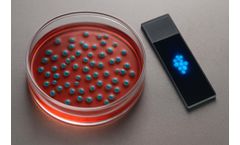
Cells that survive sorting must remain functional for downstream applications such as culture, stimulation assays, single cell sequencing, or manufacturing. For fragile cell types, the sorting method can distinguish a viable dataset from a stressed, unusable one.Why cells die during sortingThe primary driver of cell death is mechanical stress. ...
ByCytena

In conventional workflows, the bottleneck is the assay result delay: the drill rig sits idle while lab results are awaited. In remote Latin American settings, drill rigs cost $15,000–$25,000 per day all-in. A five-day assay delay equates to $75,000–$125,000 of standby time, or the rig continuing to drill blind with no confirmation of targeting ...
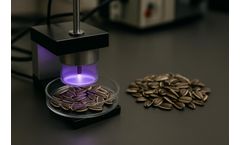
The study integrates biological assays with advanced plasma diagnostics to relate plasma properties to plant responses.Two commercial sunflower hybrids with contrasting dormancy behaviour were treated with an ambient air dielectric barrier discharge plasma system. ...
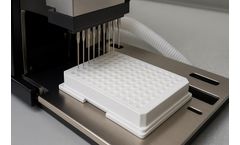
ELISA plate washing is a critical determinant of assay performance. Residual liquid and carryover after washing can drive background signals, compressing the dynamic range and elevating the limit of detection. ...
ByCytena
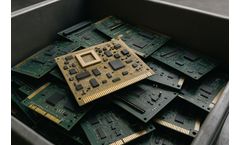
Compared with alternative methods, XRF provides a non-destructive, rapid, high-throughput capability suitable for large volumes, whereas acid tests and fire assays are destructive or slower and more expensive per batch. Quick comparisons (non-destructive XRF vs alternative methods) show XRF offering the best combination of speed and accuracy for on-site grading at scale. ...

Modern Detection Methods The Limulus Amebocyte Lysate (LAL) assay has been the standard method for endotoxin testing for decades. It detects endotoxins using the blood lysate of horseshoe crabs, providing high sensitivity. LAL assays can be conducted in gel-clot, turbidimetric, or chromogenic formats, depending on whether qualitative or quantitative ...

XRF analyzer: 5 seconds, 99%+ accuracy; higher equipment cost but fast, non-destructive testing. Lab assay: 1-3 days, ~99.9% accuracy; slow and impractical for sorting. ...

Crude reaction mixtures are then profiled in high-content degradation assays (HiBiT, NanoBRET or EGFP/RLUC dual-reporter) that return rank-ordered potency data overnight. ...

For decades, USP Class VI testing (USP 88) has been a recognized benchmark for assessing the biological safety of polymers and other materials used in medical and pharmaceutical applications. It has offered manufacturers a way to demonstrate compliance and reassure customers about the safety of their ...

Therefore, selecting the right cell viability assay and interpreting results accurately are crucial steps in plant research. ...
Principles of Proline Measurement The most widely used method for proline quantification is the acid ninhydrin assay, developed by Bates et al. (1973). This colorimetric technique relies on a chemical reaction between proline and acid ninhydrin reagent, producing a reddish-purple complex measurable at 520 nm using a spectrophotometer. ...

Traditional immunoassays based on the format of 96-well microtiter plates are widely used in analytical laboratories and have become increasingly automated with the introduction of robotics technology in recent years, thereby enhancing assay throughput. Most clinical analyzers essentially operate as "stand-alone laboratories," featuring precise, accurate, and highly reproducible ...
Researchers often use extracellular domains for ligand-binding studies. For signaling assays, mammalian expression systems are preferred to ensure functional receptor conformation. ...
Phytochemical tests are qualitative or semi-quantitative chemical assays designed to detect specific classes of compounds in plant extracts. ...

Techniques such as T7 endonuclease I assays or Surveyor assays can measure the frequency of indel formations, which indicate successful editing. ...

Utilizing FFPE blocks derived from the rat thymus enables researchers to conduct various assays, including immunohistochemistry, in situ hybridization, and gene expression studies. ...

CO2 injection in reach-in chambers plays a critical role in both incubation and stability testing applications for pharmaceutical, biotech, and life science labs. By enabling accurate control of temperature, humidity, and CO2 levels, these environmental chambers support pH-sensitive cell cultures, oxygen-sensitive formulations, and reproducible test conditions. Whether used as incubation chambers ...

In preclinical respiratory studies, traditional methods like plethysmography often require animal restraint and extensive acclimation, limiting their ability to capture dynamic respiratory changes. To overcome these challenges, IPS Therapeutique Inc. validated a novel telemetry-based technique for continuous monitoring of intrapleural pressure and respiratory patterns in conscious, freely ...
The recombinant form of ELANE protein is typically expressed in eukaryotic systems to preserve post-translational modifications and enzymatic activity. Activity assays, such as chromogenic peptide cleavage or fluorogenic substrate kinetics, are used to validate protein functionality post-purification. ...