
Refine by
Atmospheric Particulate Articles & Analysis
63 articles found

In addition, advanced emission control systems reduce particulate matter and other atmospheric pollutants, supporting compliance with increasingly stringent environmental standards. ...
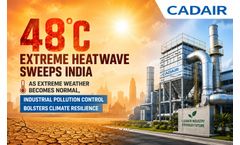
Industrial exhaust emissions, vehicle exhaust, Volatile Organic Compounds (VOCs) and suspended particulate matter disturb local atmospheric and urban thermal environments, making heatwaves longer, hotter and more destructive. Specifically, ozone pollution and aerosol pollutants not only degrade air quality, but also disrupt near-surface ...

They burn large amounts of fuel daily, releasing carbon dioxide (CO₂), nitrogen oxides (NOₓ), and particulate matter (PM) into the atmosphere. Electrified container gantry cranes, on the other hand, can be powered through the grid or by renewable energy sources such as solar or wind.A fully electric RMG crane produces zero emissions at the point of use, ...

They can enter the soil through surface runoff, atmospheric deposition and the disposal of solid waste, making the soil become the confluence of PCBs. Soil is an important destination for PCBs in the environment, and has a high adsorption effect on PCBs. PCBs in the atmosphere along with particulate matter deposition, waste and landfill of ...
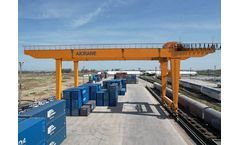
Traditionally, these cranes were powered by diesel engines, emitting pollutants such as nitrogen oxides (NOx), sulfur oxides (SOx), and particulate matter into the atmosphere. The environmental impact of such emissions, coupled with the rising awareness of climate change, has spurred the development of cleaner, more efficient technologies.Embracing Sustainable ...

Let’s look at the two main types of sensors you’ll encounter: Particulate Matter (PM) and Gas sensors. Particulate Matter (PM) Sensors The first and most crucial consideration when choosing an air quality monitor is the types of sensors required. ...
They can enter the soil through surface runoff, atmospheric deposition and the disposal of solid waste, making the soil become the confluence of PCBs. Soil is an important destination for PCBs in the environment, and has a high adsorption effect on PCBs. PCBs in the atmosphere along with particulate matter deposition, waste and landfill of ...

By their nature, industrial processes can release pollutants into the atmosphere, including particulate matter, volatile organic compounds (VOCs), and greenhouse gases. ...
ByVortex
Case Analysis -The National Monitoring Network for Atmospheric Particulates Indicators - Photochemical Assessment FPI has contributed to a national monitoring network construction for particulate matter and photochemical components. ...
Ammonia is the most abundant alkaline gas in the atmospheric environment and plays an important role in the atmospheric environment and ecosystem. On the one hand, ammonia gas can promote the formation of sulfate and nitrate and increase the concentration of fine particulate matter (PM2.5) in the atmosphere, and on the other ...

PM2.5 Impact on Human Health The suspended particulate matters contained in the atmosphere may enter into human body through nose and throat. ...
But other VOCs are large contributors of ground-level ozone, smog, and particulate matter in the atmosphere through photochemical reactions. ...
It is an acidic, erosive gas that reacts easily with other substances to form harmful compounds, such as sulfuric acid, sulfurous acid, and sulfate particles. Sulphur oxides in the Atmosphere SOx is naturally present in the atmosphere at very low concentrations. ...
It may contain many chemical species like organic compounds, inorganic ios, metallic compounds, elementary carbon, etc. These atmospheric particles are definable by their diameter for air quality regulatory purposes The particulate matter that is less than or equal to 100 micrometers in diameter is collectively known as PM100. ...
Sources The emission of particulate matter PM1 is direct emission from a source (primary PM) or through the chemical reactions of gases such as oxides of sulfur (SOx), nitrogen oxides (NOx), organic compounds, etc. which are present in the atmosphere (secondary PM). ...

Black smoke and ash drifted through the atmosphere as far as Guatemala City, 27 miles away. The capital city’s airport was closed as a precaution to avoid aircraft being damaged by the ash. ...

E3 returns only pure water particles back to the atmosphere, allowing heavier waste particulates to fall back into the wastewater footprint. This ensures that harmful pollution does not enter the atmosphere, while simultaneously minimizing your overall carbon footprint contributing to wastewater management. ...

Our atmosphere is dynamic. Biological, physical and chemical processes contribute to ‘clean air’, a gas mix which is remarkably well balanced for life and free of toxic gases and particulates. ...

However, when the oxidizer cools residual particulate matter (SiO2) on the walls of the unit falls off and can exhaust to the atmosphere. To control the release of this particulate matter to the atmosphere CPI installed a purge air flow baghouse dust collection system. The system is designed to filter ...

There are various factors causing air pollution; natural and anthropogenic, which contribute to the introduction of particulates and gases into the atmosphere. Air pollution is the mixing of unwanted and harmful substances such as chemicals, dust, auto emissions, suspended particles, gases among others in our atmosphere. ...