
Refine by
Atp Production Articles & Analysis
25 articles found

If the reading falls below a preset threshold, the surface is declared clean. Documentation is completed. Production resumes. ATP testing has earned its place in the sanitation toolkit. ...

These electron carriers play an essential role in the subsequent stages of oxidative phosphorylation, where the bulk of ATP – the energy currency of the cell – is produced. Key Steps of the TCA Cycle Formation of Citrate: Acetyl-CoA combines with oxaloacetate to form citrate. ...

Oxidative phosphorylation is the process by which mitochondria produce ATP (adenosine triphosphate) in the cellular respiration chain. It is a crucial step in cellular energy metabolism. In this process, electrons are transferred from one carrier to another through a series of oxidation-reduction reactions and are ultimately passed to oxygen to form water. The energy released by this electron ...
Glycolysis or oxidative phosphorylation? Energy production is a cellular response to the demand for energy. Therefore, cellular ATP production varies depending on the state of the cell and the surrounding environment. Currently, cells rely on two main pathways, glycolysis and oxidative phosphorylation (OXPHOS), to produce ATP. ...
The products of primary metabolism are the plant morphological building blocks that we can see (roots, stems, leaves, flowers, fruits, seeds). Primary metabolism is directly related to plant growth, development and reproduction, providing energy and intermediate products for plant survival, growth, development and reproduction. Green plants and algae synthesize ...

When there is an oxygen source available this is used, Krebs cycle reactions occur, and end productions of new cell mass, carbon dioxide, and ATP (energy) are produced. ...

Heterotrophic denitrification, aerobic or facultative, uses nitrate to generate ATP and eventually produces nitrogen gas as an end product (see formula below). ...
Mitochondria have multiple functions, not only providing energy to cells through oxidative phosphorylation to produce ATP, but also involved in regulating processes such as calcium homeostasis, reactive oxygen species (ROS) production, cellular stress response and cell death. ...
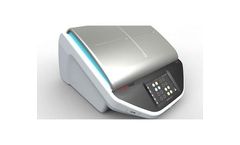
Abstract This study was done to characterize the use of the TECTA™ system for rapid, automated detection of Fecal Coliform (FC) and E. coli (EC) bacteria in a combined test, with incubation at 44.5 °C. It provided automatic detection without the need for a technician at the end of the test, and results were logged and transmitted by e-mail. The TECTA test was performed alongside ...
Some of these compounds are involved in the life processes of plant and animal metabolism, some are intermediate products of metabolism, some have significant biological activity and can prevent and cure diseases, and some are raw materials for organic synthesis, industrial and agricultural production and pharmaceutical industry. ...

Trigger Points are frequently discussed in chiropractic practices. As you know, there are three types of trigger pain: active, latent and satellite. Active: actively causing pain. Latent: not actively causing pain until the spot is palpated. Then pain is felt. Satellite: these are in the areas of Active and Latent trigger points. They may not be the primary issue. However, when addressing ...

The second step is the light-independent stage where NADPH and ATP produced in the first stage is used to form carbohydrates in the Calvin Cycle. There are three kinds of plants depending on photosynthesis: C3, C4 and crassulacean acid metabolism (CAM). C3 Plants If the end product is a three-carbon compound, the plants are called C3. Both stages of ...

In fine tuning achievement in competitive sports lactate testing makes the difference, so how can testing lactate thresholds sharpen performance? Glycolysis and energy production Our skeletal muscles use adenosine triphosphate (ATP) as their power source, however the body can only store so much ATP and when it’s used up in short, sharp, ...

Luminometers can be used to measure the chemical marker adenosine triphosphate (ATP). That’s a compound found in all types of plant, animal and microbial cells. When it comes to water, you can figure out the size of the microbial population present in a sample based on how much light is produced when ATP reacts with the naturally-occurring enzyme ...

Biological Nutrient Removal (BNR) is critical for tie preservation of our lakes and streams. Large amounts of waste products are passed through our sewage treatment systems on a continuous basis. ...

The results showed a halving of the exponential biofouling rate in the RO membrane and also a halving of the exponential carbohydrate (CH) production rate in the biofilm on PVC-P and glass in the BPU by softening of the water. In PVC-P biofilms, softening did not affect adenosine tri-phosphate (ATP) production and bacterial species composition ...
Rhodospirillum rubrum has the potential for biomass resource recycling combined with sewage purification. However, low biomass production and yield restricts the potential for sewage purification. This research investigated the improvement of biomass production, yield and organics reduction by Mg2+ in R. rubrum wastewater treatment. ...
With optimal dosage (20 mg/L), biomass production reached 4,300 mg/L, which was 1.67 times that of the control group. ...

Fipronil affected adenosine 5′‐triphosphate (ATP) production in a dose‐dependent manner in both tissues and substrates, though with different sensitivities. Imidacloprid also affected state‐3 respiration in both the thorax and head, being more potent in head pyruvate‐energized mitochondria; it also inhibited ATP production. ...

The exergetic efficiency of ATP production in the brain is assessed using two competing models: 1) the classical model, where both neuron and the astrocyte metabolise glucose; 2) the astrocyte–neuron lactate shuttle hypothesis (ANLSH), where astrocytes metabolise glucose to lactate, then shuttle it to the neuron for aerobic respiration. Exergy analyses showed ...