
Refine by
Autoclave Sterilization Articles & Analysis
18 articles found
Many medical waste processors face challenges with traditional sharps management and disposal methods. Single-use containers require frequent replacements, disposal fees, and potential safety risks for staff handling full or overfilled containers. They also generate significant environmental waste. In industries where sustainability is becoming a key priority, many large-scale waste ...
As the new year begins, many people prioritize their health by scheduling annual physicals and medical check-ups. While these routine exams ensure overall well-being, few realize the crucial role that fluoropolymers play in modern medical technology. From diagnostic tools to life-saving devices, fluoropolymer materials contribute significantly to patient safety, hygiene, and the accuracy of ...
In medical waste management, autoclaves have long been the standard for sterilization. The autoclave process uses high-pressure steam to eliminate pathogens, but it's not without its drawbacks: Hazardous Fumes High Temperatures Environmental Degradation Costly Operations The need for a safer, more sustainable, and less hazardous ...
According to a report by Grand View Research, the global market for medical waste management is predicted to reach over $35 billion by 2030, highlighting the urgent need for sustainable practices. Are you ready to make the ...

As a result, patients find it reassuring to watch a clinician remove healthcare devices from sterile packaging before starting a procedure. Sterile packaging refers to non-reusable plastic shells, wrappings, and other packing materials that have been terminally sterilized by ethylene oxide (EO), gamma, or autoclave ...
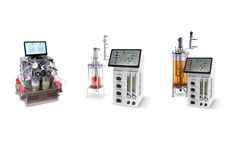
Novel Magnetic Mixer In modern biological reactors one of the most common causes of non-sterility is the mixers drive seal which can be exposed to grinding during long fermentation runs. ...
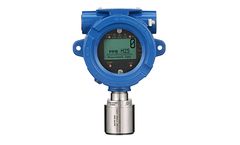
There are a variety of sterilization methodologies in use in the healthcare industry (including, among others, steam under pressure/autoclave, dry heat, ultraviolet radiation, and gas vapors), and the most effective sterilization process in a given situation may depend on the specific type of device subject to sterilization. ...

T-Alimen™ is preferred over standard PVC tubing in applications that require food grade material while pumping hot materials (>120°F) due to little imparting of added flavors to the transferred media. T-Alimen™ may be sterilized using an autoclave at 15 psi and 121°C or with a ETO gas sterilization process. ...
Sterilization materials that are at risk of bursting or deforming due to heating and cooling (or by the pressure differences created by these processes) can be safely sterilized using the spray heating and cooling program in Systec autoclaves. This feature ensures reliable inactivation without damaging the sterilization material. ...
The Freiburg-based company eleva GmbH relies on Systec laboratory autoclaves for the sterilization and inactivation of single-use bioreactor bags and reusable glass bioreactors. ...

Autoclaves combine high temperature and high pressure over a period of time to disinfect and sterilize, but it’s a process that must properly executed, every time. The Center for Disease Control (CDC) recommends monitoring three types of indicators to ensure successful sterilization. Chemical The use of chemical indicator tape can help ...

There are several ways that specialty labels can help maintain compliance: Autoclave labels – Many devices, such as dental drills or any device that is implanted into the body, must be sterilized prior to use. The most common sterilization method is steam autoclaving at temperatures up to 120°C and pressures up to 30 ...
Steam sterilization in autoclaves is used – especially in biological and medical laboratories – to inactivate natural or genetically modified microorganisms. ...
CHALLENGE As with any medical application, it is of the utmost importance to ensure that devices and equipment have been properly sterilized. Promedica uses an autoclave for steam sterilization and were interested in using data loggers to validate that the autoclave is compliant with industry standards. ...
Tamworth Environmental Laboratory (TEL) is a unit of Tamworth Regional Council (TRC) and primarily offers environmental testing services to the North West, Northern Tablelands and Liverpool Plains regions of New South Wales in Australia. This area incorporates regional cities and remote and isolated communities. Accredited by the National Association of Testing Authorities (NATA) for a range of ...
The lab placed all wood into an autoclave to sterilize. Wood was allowed to fully dry for 4 days in a breathable autoclave bag. ...
Culinary programs may use liquid nitrogen for cooking and freezing, and chemistry labs may use N2 as well. Autoclaves, which sterilize equipment, are regularly used in scientific, medical, and industrial programs. ...

Birkenhead were inoculated into non-sterile, autoclaved, γ-irradiated and nutrient-supplemented sludge and cultures were incubated at 37 °C (MAD sludge treatment temperature) or 20 °C (summer air drying sludge treatment temperature). ...