
Refine by
Automatic Sorting Articles & Analysis
96 articles found
High labor dependence – Multiple workers are needed for feeding, sorting, and tying, leading to high labor costs and inconsistent output. ...

How Textile Recycling Machines Work Textile recycling requires a chain of specialized machines: automatic sorting systems, shredding machines, and chemical recycling and fiber regeneration equipment. PICVISA's AI-powered optical sorters use hyperspectral cameras to identify fiber types, colors, and fabric conditions at high speed without physical contact — ...
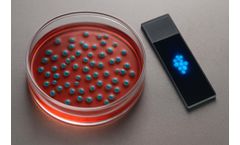
Viability is the critical output metric for sorted cell populations. Cells that survive sorting must remain functional for downstream applications such as culture, stimulation assays, single cell sequencing, or manufacturing. For fragile cell types, the sorting method can distinguish a viable dataset from a stressed, unusable one.Why cells die during sortingThe primary driver of cell death is ...
ByCytena
Automated waste sorting systems are revolutionizing recycling facilities worldwide, achieving up to 85% greater accuracy than manual sorting methods. PICVISA, a leader in machine vision and AI-based recycling solutions based in Barcelona, Spain, offers cutting-edge automated waste sorting systems that transform Materials Recovery Facilities (MRFs) and waste treatment plants. How Automated Sorting ...
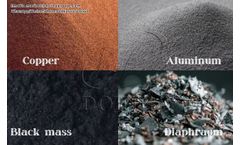
LiPo (Lithium-ion Polymer) batteries shredding & sorting machine is the core equipment for the resource recycling of waste lithium batteries. It can efficiently separate high-value components such as black mass powder (positive and negative electrode materials), copper, aluminum, and separators under the premise of safety and environmental protection. The recycling process for LiPo ...
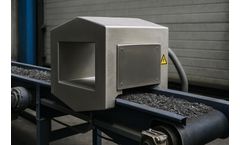
Installing scrap metal detection upstream of size reduction provides a defense with automatic rejection of suspect material before it reaches cutting chambers. ...
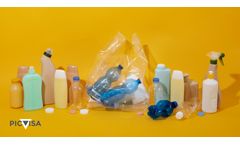
Recycling more efficiently is essential. A leader in sorting and recycling solutions, PICVISA provides technology for identifying and separating all types of plastics through systems such as ECOPACK and ECOFLAKE.ECOPACK automatically sorts and separates multiple types of materials according to their composition (NIR), colour (VIS) and shape (deep ...
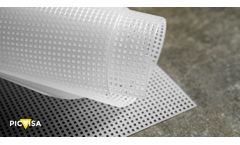
Spectroscopy not only allows to detect and separate with high accuracy and speed different types of plastics for automatic sorting, it also facilitates the quantification of polymers, which is essential, as the mixing of plastics can detract from the quality of the recycled product. ...
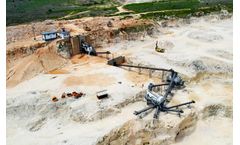
Furthermore, AI can optimize production by automatically adjusting crusher settings based on feed material variability, ensuring the final product meets specification while maximizing yield.Practical Impacts on Operations and Investment This technological shift has tangible, bottom-line benefits for aggregate producers. ...
Owners and managers of scrap-recycling companies know very well: profit is born not at the shear or the weighbridge, but at the sorting stage. Mix up stainless grades, let a nickel alloy slip into “heavy melt,” or miss lead in aluminum – and all your margin goes negative together with a claim from the steel mill. At the same time, visual inspection, a magnet, spark testing and ...

Project Overview The Shanghai Xupu Two-Network Integration Hub Project, executed by JONO Environmental Technology, is a comprehensive demonstration project that integrates intelligent collection, AI-powered fine sorting, automated packaging and transfer, and smart warehousing into a single unified system. ...

Introduction A measurement system is something we depend on every day, even if we never think about it. From checking the length of a part to ensuring a product meets tight tolerances, measurements guide decisions. In this guide, we will explore measurement systems ...

Faced with an increasing amount of scrap lithium-ion batteries, battery recycling has become a crucial component of environmental protection and resource recovery. Lithium-ion battery recycling not only effectively reduces environmental pollution but also recovers valuable metals, achieving a circular economy. With fluctuating raw material prices and increasingly stringent environmental ...
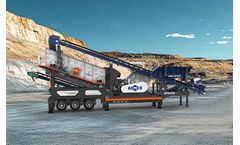
These advanced systems not only crush concrete but also automatically separate rebar, sort materials by quality, and even analyze composition to determine optimal reuse applications, creating a new standard for responsible resource management in construction.The Evolution from Demolition to Deconstruction The terminology itself signals an important shift in ...
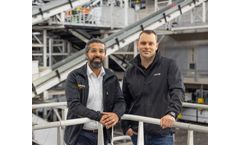
A new chapter in Swiss plastic recycling industry has begun with the launch of a state-of-the-art PET sorting plant in Zurich. The facility, developed by AGIR in collaboration with Bollegraaf Group, focuses on separating PET bottles into food and non-food grade fractions — a critical step toward high-quality bottle-to-bottle recycling. Designed and built by Bollegraaf, a leader in ...
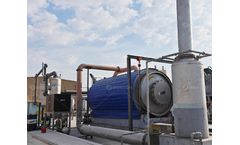
Urban centers face escalating challenges in solid waste disposal, exacerbated by population growth, limited landfill capacity, and increasing environmental regulations. Integrating thermal conversion technologies into municipal waste strategies offers a pathway to reduce waste volume, reclaim energy, and minimize ecological impact. Among these technologies, the small scale pyrolysis plant has ...
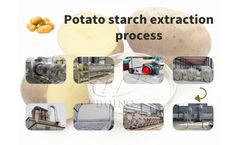
As an important food and industrial raw material, the market demand for potato starch continues to rise, attracting numerous investors to enter this field. Before getting involved, calculating production costs and evaluating profit margins are crucial, and choosing high-quality processing equipment is the core prerequisite for achieving efficient profitability. As a leading enterprise in China's ...

Circular economy, Textile recycling Can clothes be recycled? The path from waste to wearable clothing In 2023, 183.8 billion pieces of clothing were consumed worldwide. Unfortunately, only 1% of recycled clothing is converted into new garments. This begs the question of how clothes are recycled today and how we can improve the recovery process. Yes, recycling is urgent and there are two main ...
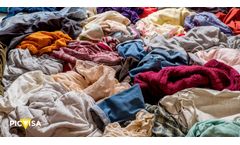
Thanks to an efficient collection and sorting system, Germany recovers about 75% of its textile waste for reuse and recycling, according to the German Federation of the Textile and Fashion Industry. ...

At both events, PICVISA aims to make a strong impression on the U.S. market with two of its most advanced technological solutions:ECOSORT: Thanks to its advanced fiber-sorting technology, this optical sorter enables the automatic separation of textile garments by composition (NIR), color (VIS), and/or shape. Due to its flexible multispectral vision system, ...