
Refine by
Bacteria Sampling Articles & Analysis
87 articles found

While virome research shares some commonalities with metagenome and amplicon technologies, it also possesses distinct features and faces unique challenges that set it apart. Commonalities Sample-Based Analysis: All three technologies—virome, metagenome, and amplicon—are built on the foundation of studying microbial DNA within a sample, avoiding the ...

This blog delves into systematic approaches for Legionella water testing, offering valuable insights into best practices and recommendations to ensure the safety of your ...
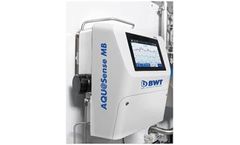
The water sample is focused on a narrow stream and illuminated by a tightly focused laser beam. ...

Preservation of bacteria optimises cell viability for use at a later date, for example in research or diagnostics months or even years after sample collection.Why is Bacteria Preservation ...
Our ultra-low temperature freezers are used for the storage of drugs, vaccines, enzymes, chemicals, bacteria and other samples. Vaccine Storage: Cold Chain Vaccine storage requires that vaccines are stored within a set temperature range from the point of manufacture to vaccination. ...

Our ultra-low temperature freezers, also known as ULT freezers, typically have a temperature range of -45°C to -86°C and are used for the storage of drugs, enzymes, chemicals, bacteria and other samples. Our low temperature freezers are available in various designs and sizes depending on how much storage is needed. ...
An ultra-low temperature freezer (ULT freezer) typically has a temperature range of -45°C to -86°C and is used for the storage of drugs, enzymes, chemicals, bacteria and other samples. They are available in various designs and sizes depending on how much storage is needed. ...
Metagenomics is the science that applies high-throughput sequencing technologies and bioinformatics tools to directly obtain the genetic content of a microbial community without the need to isolate and culture the individual microbial species. Metagenomics enables researchers not only to study the functional gene composition of microbial communities but also to conduct evolutionary research. ...

Samples for laboratory testing must be associated with specific clinical symptoms. Examination of specimens with MZM-stained smears, especially placental villus lobules, fetal true stomach contents, and uterine secretions, often shows characteristic MZN-positive cocci. In samples containing cells, these bacteria may bleed in clusters. ...

In this study we aimed to investigate bacterial genre that could be indicative of presence of CRC in tissue and confirm whether tissue-based microbiome signals could be detected from plasma derived cell-free DNA (cfDNA) in the context of early CRC detection. 19 tissue resident bacteria known to play an important role in CRC initiation and growth have been selected based on ...

The sensor dot is usually deposited on the wall of a transparent bottle or sample tube, that contains the medium, aqueous or gaseous, under test. ...

While culture method only measures culturable bacteria, i.e., the ones able to grow on a given media, ATP testing measures the quantity of ATP in a sample. ...
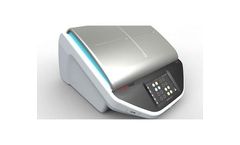
The TECTA test was performed alongside reference methods (APHA Standard Method 9222D, mFC, for FC; US-EPA Method 1603, mTEC for EC) on sets of twenty replicate 10 mL samples. The TECTA method results were confirmed using a multi-step procedure developed using the guidelines of the US-EPA ATP protocol. Samples were produced by inoculating final sewage from three ...
This method has been widely used for the rapid diagnosis of bacteria in clinical, environmental, and industrial samples. Rapid pathogen identification aids in providing clinical diagnosis and selecting appropriate antibiotic treatment. It is also used in routine identification of bacteria in clinical laboratories to retrieve clinically relevant ...

The second part of this blog series about best practice for IC separation columns focuses on application related topics that have an impact on the column suitability and stability. First, there is the proper choice of the column that best suits the intended application. Then we turn to the operating parameters which can be modified in order to optimize the separation between analytes, and what ...
Introduction to Microbial Identification Microbiology research revolves around the detection and identification of microorganisms. It can be used in a variety of fields, including the environment, industry, and medicine. Microbial detection and identification techniques have evolved over time, from conventional methods that are based heavily on culture, morphology, physiology, pathology, and ...

Microbiology, antibiotic, or tissues analysis among many other processes prove to be easier when the sample is liquid, with low viscosity and homogeneous. But what should we do when a solid, bland or with high viscosity sample need to be analyzed? ...
ByIUL S.A.

Abstract Qwik-Zyme P is a biocatalyst product designed to assist in the hydrolysis of complex proteins into free amino acids. In this study, we assessed the impacts of Qwik-Zyme P on poultry protein hydrolysis using oxygen uptake tests on samples collected from an anaerobic lagoon effluent, which enters into an aeration basin. An increase in oxygen uptake rate indicates improved aerobic ...

Level of drug-resistant bacteria spikes in grocery-store chicken The Public Health Agency of Canada is warning B.C. poultry farmers and veterinarians to stop using a bovine antibiotic on chickens. The agency believes the practice is behind a significant spike in drug-resistant Campylobacter bacteria found in chicken tested from grocery stores. The ...

There is also increasing concern over superbugs, bacteria that become resistant to antibiotics. Hospitals have antibiotic stewardship programs to reduce the use of antibiotics, and those who are placed on antibiotics because of an incorrect blood culture test would be a straightforward subset of patients to address. ...