
Refine by
Ballast Water Articles & Analysis
51 articles found

Here are the primary uses and applications of ultrasonic flow meters: 1. Water and Wastewater Management: Drinking Water: Monitoring the flow of clean water in municipal water supply systems. ...
Here are some common applications: 1. Water and Wastewater Treatment Potable Water: Measuring the flow of drinking water in treatment plants and distribution networks. ...

Water is a precious and limited resource, which makes the advancement of water treatment technologies crucial. ...
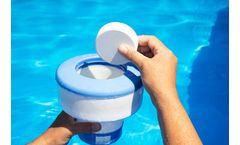
Treatment of Ballast WaterBallast water is water that ships carry in their tanks and holds to provide stability and maneuverability while at sea. It's essential for safe and efficient shipping, but it can also introduce invasive species into the waters where ships discharge it. Ballast water ...
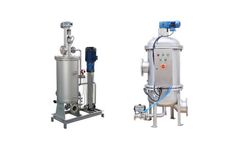
Coolants and Washing Liquids Industries like metalworking, automotive, and beverage industries benefit from automatic filtration, enhancing processes in washing machines, crate washers, machine tools, and more. Water From sea and sewage water filtration to applications in agriculture, maritime, and various industries, these filters find use in ...

Introduction: Water storage is a critical requirement in various industries, especially in sectors like oil & gas, utility, and Reverse Osmosis (RO) plants. Given the unique challenges associated with these industries—such as harsh environmental conditions, strict regulatory requirements, and the need for efficient water management—choosing the right water storage solution ...
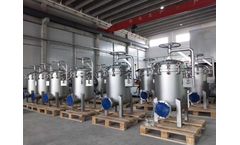
Coolants and Washing Liquids Industries like metalworking, automotive, and beverage industries benefit from automatic filtration, enhancing processes in washing machines, crate washers, machine tools, and more. Water From sea and sewage water filtration to applications in agriculture, maritime, and various industries, these filters find use in ...
We said countless times that algae blooms are a growing concern for many freshwater ecosystems around the world, and explored why and how they affect humans and nature. We even looked at how humans play key roles in this issue directly, by polluting the water systems, and indirectly, due to climate change. However, there is a whole other dimension left to talk about: These blooms are often ...

Seagoing barges can’t comply with ballast water treatment regulations…or can they? In short, the answer is yes, they can, however there are challenges. ...
One way of avoiding this risk is to opt for an off-site built ballast water treatment deckhouse or container. In this scenario, all engineering, fabrication, and approvals are completed in a controlled environment and system installation takes place off-site allowing for pre-testing of all systems prior to arrival at the vessel. ...

Founded in Denmark in 1834, DESMI is one of Denmark’s oldest companies and their pumping solutions are sold worldwide within marine & offshore, industry, defense & fuel, and utility for applications like seawater cooling, ballast water, chocolate, molasse, aquaculture, district heating, and cooling, etc. ...

Volatile emissions removed with over 99% efficiency. Whilst recycling is now championed by everybody as good for the environment, recycling processes themselves can sometimes cause environmental problems. This was certainly the case in Malta, where a pioneering recycling project undertaken by the Waste Oil Company Limited was creating hydrogen sulphide emissions that were escaping into the ...
Hard to lift unit for maintenance then replace into lagoon at original or proper location. Required maximum ballast to hold air pipes and diffusers under water. Piping not serviceable without draining the basin. ...

Understanding the microbial content of a ship’s ballast water is critical. As the guidelines laid out in the IMO Ballast Water Management Convention are widely adopted, having a keen understanding of the microbial content of a ship’s ballast water has become critical. ...
Here’s a brief summary. What is the Ballast Water Management Convention (BWMC)? The Ballast Water Management Convention (full name International Convention for the Control and Management of Ships’ Ballast Water and Sediments, 2004) is a treaty adopted by the IMO in order to help ...

Other potential sources of oily wastewater include: Ship bilge and ballast water Aircraft and vehicle maintenance stations Leaking oil tanks Stormwater runoff Machine shops Meat/poultry processing Fish processing Dairy processing Paint production Soap and Detergent production Textiles Issues from Oily Wastewater Like many wastewater contaminants, oils are ...

Refineries can be like cities, and opportunities for water reuse abound, from recycling of process water to sewage Although the water requirements of oil exploration make water reuse a hot topic for the upstream petroleum industry — the exploration and production end — there are significant opportunities for reuse ...
The problem of biological invasions attributed to ballast water release is an ongoing problem that threatens ecosystems and human health. Ultraviolet (UV) radiation has been increasingly used for ballast water treatment mainly due to the advantages of short contact time and minimized harmful disinfection by products. ...

In the 1980s, cargo ships entering the Great Lakes that originated in Russia and Eastern Europe (where the zebra mussels normally live) would dump ballast water and inadvertently release free-floating mussel larvae. These larvae then attached to solid surfaces like irrigation water intake pipes, clogging them, and onto the hulls of boats and ...
Ship ballast water (SBW) antimicrobial treatment is considered as a priority issue for the shipping industry. ...