
Bean Legumes Articles & Analysis
7 articles found

For example, one field might be planted with nitrogen-fixing legumes such as peas or beans to replenish soil nutrients, while another might be sown with grains such as wheat or barley to break pest cycles and suppress weeds. ...
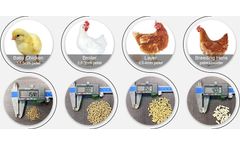
Seed from oleaginous crops: soy, flax, and sunflower. 3. Seed from legumes: broad beans, field bean, and protein pea. 4. Forage: flours of permitted forage essences. 5. ...
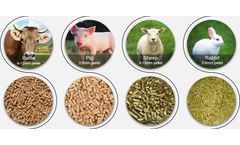
Seed from oleaginous crops: soy, flax, and sunflower. 3. Seed from legumes: broad beans, field bean, and protein pea. 4. Forage: flours of permitted forage essences. 5. ...

These rhizobacteria normally provide fertilizer to legume crops such as common beans and chickpeas, and those have been the focus of the research so far, but it may be possible to adapt them to work with other kinds of crops as well, and that is part of the team's ongoing research. ...

Four indigenous Omani legumes (faba bean, cowpeas, chickpeas and lentils), collected from three different regions of Oman, were evaluated for their proximate composition, phytochemical contents and antioxidant properties. ...

Globally, roots (carrots and beets) and tubers (potatoes) require an average of 0.5 liters of water per calorie, whereas legumes (lentils and beans) require 1.2 liters per calorie, according to researchers at the University of Twente and the Water Footprint Network. ...

A field experiment was conducted under rainfed environment of Pothowar region of Pakistan to assess physical properties of soil as influenced by various green manure legumes (sesbania, cluster bean and rice bean) and different P levels (0, 30, 60, 90 kg P2O5/ha). Highest fresh biomass was observed in sesbania (23 t/ha) followed by cluster ...