
Bee Protection Articles & Analysis
6 articles found
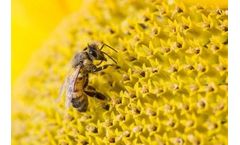
Bees are an especially critical part of the biodiversity of our planet. They pollinate plants, which helps to produce food and other essential resources. Bees are also critical to our survival. Without bees, our food and medicine supply would be in jeopardy. In honor of World Bee Day (May 20th), we acknowledge that ...

All regulatory data requirements for assessing pollinators have now been addressed and the EPA has adequate data to demonstrate that there will be no unreasonable adverse effects to honey bees resulting from the expanded registration of sulfoxaflor. EPA’s decision also removes previously imposed application restrictions: Removed the prohibition of use on crops grown ...

“We train and work with Mayan technicians to give courses and workshops on how to manage and protect the Melipona bee. We supply colonies to people that are just starting and build bee houses, called meliponaries, which have all the characteristics of the traditional Mayan meliponaries,” says Villanueva-Gutiérrez. ...
ByEnsia
The U.S. Environmental Protection Agency’s (EPA) Proposal to Mitigate Exposure to Bees from Acutely Toxic Pesticide Products published in the Federal Register on May 29, 2015, seeks comment on a proposal to adopt mandatory pesticide label restrictions to protect managed bees under contract pollination services from foliar ...
Last year, the European Commission banned neonics on some crops for two years due to concerns that they are poisoning bees. The U.S. Environmental Protection Agency, which says its scientific conclusions about acute effects on bees are “similar” to those that led to Europe’s ban, plans to complete its review of neonicotinoids in ...
ByEnsia

The objectives of the current study were to examine pollination by a native bumble bee, Bombus vosnesenskii (Radoszkowski), determine the bumble bee fauna associated with red clover in Oregon, and assess if seed set is limiting. ...