
Refine by
Beverage Can Articles & Analysis
92 articles found
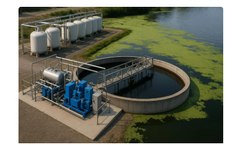
Waste streams from breweries, dairy beverage processors, and other facilities can contain high concentrations of organic matter, nitrogen, phosphorus, sugars, yeast, and cleaning residues. ...

The global transition toward renewable energy infrastructure, electric vehicle charging networks, and smart grid technologies has dramatically increased aluminum cable usage while simultaneously creating substantial opportunities for specialized recycling operations. Unlike traditional copper-based systems, aluminum cables present unique processing challenges and recovery opportunities that ...

What Is a Pure Aluminum Ingot? A pure aluminum ingot is a solid block of refined aluminum metal, typically containing 99.7% or higher purity, used as the base material in countless industrial applications. These ingots are produced through smelting and refining processes, which remove impurities and alloying elements to achieve a high-quality, uniform composition. Pure aluminum ingots are ...
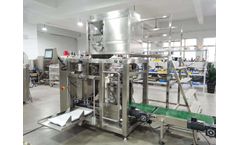
Anything in a liquid state might have a thickness anywhere from extremely thin to extremely watery. Filling a beverage can, and an ointment tube are two very different tasks. Therefore, a variety of filling techniques are necessary. ...

For those in the food and beverage industry, Fluence can provide integrated systems that support the entire water life cycle Water plays a critical role throughout the food and beverage production industry. ...
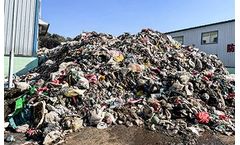
Mixed municipal solid waste contains a significant amount of recyclable materials, such as beverage bottles, metals, and cardboard, which can be recovered and reused. Additionally: organic waste (40-60% of MSW): Can be converted into bio-energy. High-calorific combustibles (largest proportion): Can be processed into Solid ...

Filling and Packaging: Controlling the volume of liquid filled into bottles, cans, or other containers. Wastewater Management: Measuring the flow of wastewater for regulatory compliance and process optimization. ...
This makes them suitable for handling food and beverage products without risk of contamination. Wide Range of Applications: EMFs can handle a variety of fluids, including those with different viscosities and conductivities. This versatility makes them suitable for measuring the flow of milk, juices, syrups, and other beverages. Bidirectional Flow ...
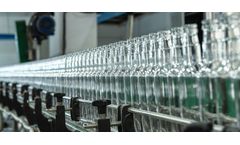
Fluence’s solutions help beverage manufacturers increase efficiency and reduce their water footprint The bottled beverage industry is a leader, satisfying global demand with billions of units annually. ...
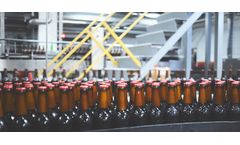
The bottled beverage industry, a major part of global consumption, faces increasing pressure to optimize its operations and reduce its environmental impact. ...
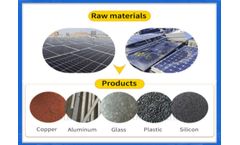
Nevertheless, they typically have a lifespan of 25-30 years, beyond which their efficiency starts to wane. This raises the question: What can be recycled from solar panels once they’re no longer in use, and how is the recycling process conducted? ...
Companies seek ways to reduce their impact on the environment The food and beverage industry plays a huge role in feeding the world, and this comes with an environmental cost. The good news is that many food and beverage companies are starting to implement creative solutions to reduce their impact on the environment. we focus on two key areas where food and ...

Food allergies have many symptoms, and some of these can be incredibly severe, including itching of the skin, swelling of the face, acute breathlessness, a sore throat, in extreme circumstances, even death. ...

LAT Water has developed a unique approach to wastewater treatment that uses waste heat as a sustainable energy source to power the cutting-edge LAT Unit system. This method not only reduces operational costs and energy use, but also produces high-quality results and up to 95% clean water following the wastewater treatment ...
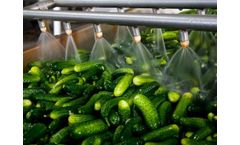
If there’s one thing that’s true about the food and beverage industry, it’s that companies need a reliable water source to operate successfully. Food and beverage brands cannot exist without water, and that reality is apparent when considering the amount of water this industry uses. This makes it important for food and beverage companies to implement a water recycling system ...
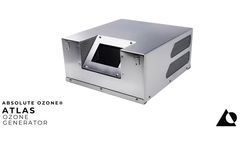
Cleanliness and efficiency are vital in the food and beverage industry, where effective sanitation can significantly impact product quality and safety. ...
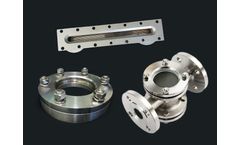
In operation, the height of the liquid within the container can be seen directly through the transparent glass plate, facilitating an accurate level reading.Applications Glass Plate Level Gauges are pivotal in industries where maintaining specific liquid levels is crucial for safe and efficient operations. These sectors include, but are not limited to, chemical processing, power ...

For example, yeast enzymes in bread dough can make the dough rise and become fluffy. Enzymes can also be used to make cheese, yogurt, beer, and other food and beverages. ...

In addition to using a straw, you can also lift off the small plastic cover on the side. There is a small round mouth, you can drink straight. The small lid can prevent dust and liquid leakage, which is convenient and worry-free. ...

The food and beverage industry is ever-expanding, with increasing pressure to meet safety standards in different countries around the world. To help food processors achieve this, gas analyzers play a key role in determining accurate results quickly. Gas analyzers are used to measure various properties of gases – such as concentration levels and composition – making them invaluable ...