
Refine by
Biochar Carbon Articles & Analysis
147 articles found
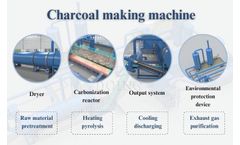
This is the key to the ultimate high stability of biochar. Product: High-stability final biochar. It is important to note: Temperature determines how completely volatile components are released and how stable the remaining carbon structure becomes. ...

Environmental Benefits of Biochar Production One of the most significant advantages of biochar production is its ability to sequester carbon. ...
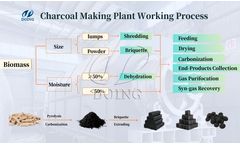
Primary Applications of Biocoal: As an eco-friendly solid fuel, it serves as a direct substitute for traditional coal and is widely utilized in scenarios requiring direct combustion to generate thermal energy, including residential heating, industrial boilers, and biomass power plants. Biochar (High-Temperature Pyrolysis Carbonization) Biochar, ...
Biochar has gained significant attention in recent years due to its environmental benefits, including carbon sequestration, soil improvement, and waste biomass utilization. ...
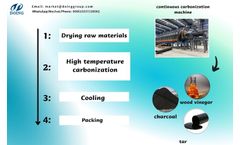
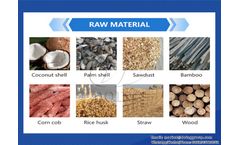
Whether it be rice husks, coconut shells, wood chips, or agricultural crop stalks, converting them into biochar with high fixed carbon content requires undergoing high-temperature pyrolysis process. ...
This type of biochar is well-suited for applications such as soil amendment, use as a microbial carrier, and carbon sequestration projects. 2. ...
Biomass residues, including agricultural byproducts, forestry waste, and organic industrial discards, contain latent energy that can be efficiently recovered through carbonization processes. A biochar machine for sale provides the technological framework for this transformation, enabling controlled pyrolysis that produces high-quality charcoal while stabilizing ...
Wood waste carbonization is a thermochemical process that converts raw wood residues into valuable products such as charcoal or biochar. ...
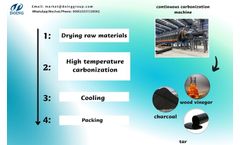
By pre-drying agricultural waste, unnecessary production costs can be minimized, allowing thermal energy to be focused more effectively on the biomass carbonization reaction. 2. Ensuring the Quality of Biochar Products Moisture content has a direct impact on the ultimate quality of the resulting biochar. A lower moisture level facilitates the ...
Agricultural residues, particularly rice hulls, often accumulate in large quantities, presenting both a disposal challenge and an untapped resource. The rice hull carbonizer transforms this biomass into high-value charcoal and biochar, creating a pathway for resource efficiency, waste reduction, and carbon sequestration within a circular economy ...
Biochar production has emerged as a credible pathway for generating Carbon Removal Credits (CRCs), as it converts biomass into stable carbon that can remain sequestered in soil for hundreds of years. ...
Biochar, a carbon-rich byproduct of biomass pyrolysis, is gaining recognition for its multiple benefits, including soil enhancement, carbon sequestration, and renewable energy production. ...
From agricultural applications to carbon sequestration, biochar offers numerous environmental and economic benefits. ...
Unlike organic matter that decomposes rapidly and releases carbon dioxide (CO₂) and methane (CH₄) into the atmosphere, biochar possesses high stability and can remain in soil for thousands of years, effectively locking away carbon from the carbon cycle. A study published in Nature demonstrated that ...
This makes biochar production an important activity for biochar producers interested in participating in the voluntary carbon market. ...
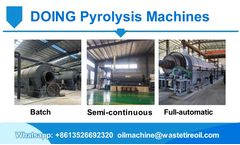
These agricultural wastes can actually be transformed into valuable biochar through appropriate methods: pyrolysis/carbonization process. The process of producing biochar from waste not only helps reduce waste accumulation but also contributes to sustainable farming, carbon sequestration, and even energy production. ...
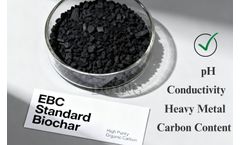
Biochar, essentially a carbon-rich material, is created by heating organic biomass in the absence of oxygen through a process known as pyrolysis. ...
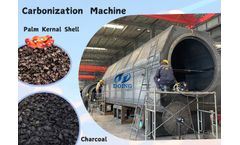
The use of efficient equipment such as a palm kernel shell charcoal machine allows for continuous production and stable carbonization, ensuring consistent biochar quality. 2. Biochar: A Sustainable Solution for the Palm Oil Sector Biochar derived from palm kernel shells brings multiple benefits: Carbon ...
Biochar yield is one of the most important performance indicators of a biomass pyrolysis system. ...
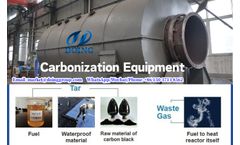
This process produces three energy products: combustible gas, liquid bio-oil, and solid biochar. Biomass pyrolysis not only effectively utilizes waste biomass resources but also converts them into clean energy sources such as bio-oil and biochar, which is crucial for reducing carbon emissions. ...