
Refine by
Biodegradable Additive Articles & Analysis
24 articles found

To prevent this, we must reduce disposable plastic use, support the circular economy, and promote ocean clean-ups and environmental awareness, according to WWF Spain and the European Parliament.In addition to investing in biodegradable plastics, stricter regulations are needed to manage pollution effectively.Proper waste sorting and management are key to enabling ...
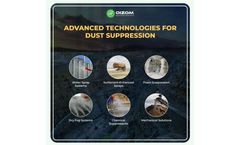
Think predictive AI systems and sustainable, biodegradable suppressants. It’s all about cleaner air, safer workplaces, and smarter operations. ...

Collagen has been widely used in the clinical field due to its abundance in nature, biocompatibility, low antigenicity and biodegradability. In addition, the high tensile strength and fibril-forming ability of collagen enable it to be made into various forms such as tissue grafts, hydrogels, sponges, fibers, films, hollow spheres, and so on. ...

In comparison with higher plants, algae have higher growth rates, fewer environmental requirements, produce far less waste tissue, and are resistant to digestion and/or biodegradation. As an additional benefit, algae produce many components (fatty acids, H2, etc.) which are useful as ...
ByAlgatech

Typical Textile waste water Composition Typically, waste water effluent from textile processing operations has the following characteristics: Non biodegradable organics/inorganics such as metals, phenols, color, pesticides and phosphates and certain surfactants. ...
Paint/Pigment companies often produce waste water containing elevated levels of suspended solids and color from their operations, in addition to non biodegradable contaminants. Based on the levels of constituent contaminants discharged, the higher the municipal waste water disposal surcharge costs for the paint manufacturer. ...

After evaluating several dust suppressant and soil stabilization agents in 2015/16, the County administration chose Cypher Environmental’s line of products – specifically DUST/BLOKR® and ROAD//STABILIZR® – as an eco-friendly and cost-effective solution. In addition to the non-toxic, biodegradable and environmentally sustainable ...
They range from replacing the fine-grained soil with granular material and the use of geosynthetic reinforcement, to the use of soil additives. An emerging category of soil additives are natural, organic and biodegradable products. Although this type of additive has been applied to stabilizing soils for more than twenty years, ...

This, in turn, leads to more rapid increases in dissolved oxygen and aerobic biodegradation. In addition, these larger injection volumes have proven HBS well systems to be a viable treatment technology for large free product plumes. ...
They range from replacing the fine-grained soil with granular material and the use of geosynthetic reinforcement, to the use of soil additives. An emerging category of soil additives are natural, organic and biodegradable products. ...
In addition, the textile industry is faced with pressure by government regulators to move toward sustainability, by reducing the consumption of water, while internal pressures to maintain or increase profit margins for their stakeholders exist as well. ...

A laboratory-scale biomass inhibition study showed that aerobic biodegradation removed gabapentin in addition to adsorption. ...
This study aims to investigate the biological processes related to the biodegradable potential of growing microbial cells for contaminated water treatment. ...
This improvement in DOC removal was likely caused by transforming DOC into fractions that are more amenable to biodegradation, as well as the supply of dissolved oxygen favouring aerobic degradation processes. ...

While esters are known to be part of specific hydrocarbon degradative pathways, they are not commonly considered or evaluated in field studies of petroleum biodegradation. In addition to describing the compounds identified, this short communication discusses the role for non‐targeted analysis in environmental studies. ...
Significant data gaps were filled with additional tests: biodegradability, algal growth inhibition, acute daphnid immobilisation and chronic daphnid reproduction toxicity, acute fish toxicity and activated sludge respiration inhibition. ...
In this study, the biodegradability of nanoscale zero-valent iron (nZVI) dispersants and their effects on the intrinsic biodegradation of trichloroethylene (TCE) were evaluated. ...

The average flow is 960m3/d and the wastewater contains variable loads of non-biodegradable COD combined with organic additives and oils from the galvanizing process. ...
The OECD 308 water‐sediment transformation test has been routinely conducted in Phase II Tier A testing of the environmental risk assessment (ERA) for all human pharmaceutical marketing authorization applications in Europe since finalization of Environmental Medicines Agency (EMA) ERA guidance in June 2006. In addition to the ‘Ready Biodegradation’ test, it is ...

One of my pet-peeves in this context is the claim that any additive to road salt suddenly makes the entire mixture bio-degradable. It is impossible for any inorganic salt product (sodium chloride-magnesium chloride-calcium chloride) to become bio-degradable by the simple addition of an organic sugar component. The additive might be ...