
Refine by
Biodiesel Articles & Analysis
371 articles found
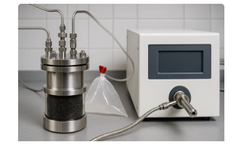
The rising generation of glycerol as a biodiesel byproduct motivates its conversion to industrial chemicals. This study shifts focus from noble metals to low-cost, abundant elements by employing a Cu-Ni bimetal catalyst supported on coconut shell activated carbon for the aqueous-phase reforming of glycerol. ...

Diesel—particularly modern ultra-low sulfur diesel (ULSD) and biodiesel blends—is hygroscopic, meaning it naturally attracts and absorbs moisture from the surrounding air at a molecular level. ...

Use of Alternative FuelsFor ports still reliant on diesel-powered cranes, alternative fuels such as biodiesel, natural gas, or even hydrogen are emerging as greener options.Biodiesel: Can reduce lifecycle emissions by up to 50% compared to conventional diesel. ...
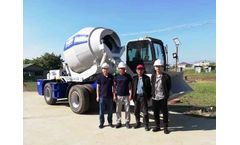
Alternative Power Electric drivetrains. Solar-assisted systems. Biodiesel compatibility. Advanced Materials Wear-resistant alloys. Non-stick drum coatings. ...
When biodiesel is poorly made—often referred to as “bad biodiesel”—one of the biggest red flags is a high concentration of glycerine (or ...

For off-grid sites, new retrofit packages combine biodiesel-capable generators with solar arrays and kinetic energy recovery from conveyor systems.The most innovative systems use AI-driven power management that predicts energy needs based on production schedules. ...

This real-time tool measures key chemical properties in ethanol, biodiesel, and renewable diesel as production runs. FT-NIR keeps operations tight by tracking critical variables without touching or destroying samples. ...

Challenge: Globally, many industries, such as biodiesel plants, face significant challenges in managing emissions of airborne pollutants like dust ammonia, and odors from production processes. ...

Reduction in Greenhouse Gas Emissions Traditional biofuel production methods like biodiesel and ethanol rely heavily on large-scale monoculture farming, which can result in deforestation, habitat destruction, and significant carbon emissions during cultivation and processing. ...

In the production of biodiesel from rapeseed oil, it occurs that the crude oil as well as the final product gets into the waste water system. ...
Key Issues to Address Microbial colonies can be a significant threat in fuel tanks. They thrive when fuel and water coexist, leading to contamination and tank deterioration. Factors like warm weather and increased biofuel use worsen this risk. Once established, these colonies can consume up to 1% of your fuel investment, causing considerable ...
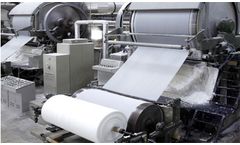
Type Of Separation: Solids from Liquids Processing: Reactor Implementation : 1. Palm (POM, OLEO, BIODIESEL & REFINARY) 2. Petrochemicals (Fertilizer, Chemicals process etc) 3. ...
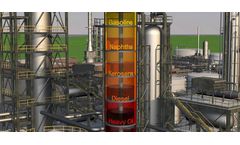
Type Of Separation: Solids from Liquids Processing: Reactor Implementation : 1. Palm (POM, OLEO, BIODIESEL & REFINARY) 2. Petrochemicals (Fertilizer, Chemicals process etc) 3. ...
JIMCO A/S, a pioneer in eco-friendly cleaning technologies, has recently completed an impressive efficiency test of their FLO-K system at DAKA, a leader in sustainable meat and bone meal, fertilizers, and biodiesel in ...

Enzymes play a crucial role in the production of ethanol and biodiesel, breaking down cellulosic biomass and converting it into fermentable sugars. ...

Surface contamination analysis is crucial in engineering and materials science industries as it helps researchers study a material’s surface layer composition. Using secondary ion mass spectrometry (SIMS), the composition of a surface layer can be identified and characterized and this information is then used to investigate contamination, defects, and trace elements on a substrate’s ...

Bioenergy Production Technologies Generally, there are two different technologies to converse biomass into bioenergy, namely (i) biochemical conversion technology (which gives liquid product like biogas, bioethanol, biodiesel etc.) and (ii) thermo-chemical conversion technology (which gives solid, liquid, gaseous products like charcoal, syngas etc.) [1]. ...
Addressing the Issue In every fuel tank, microbial colonies have the potential to flourish. While microbes are ubiquitous, they require fuel and water to proliferate. When water is present in the tank, these microbes find optimal conditions for growth, leading to fuel contamination and tank degradation. Factors such as warm weather and the use of biofuels can exacerbate this issue. Once ...
Source of Glycerin Glycerin can be sourced from various sources, but it is commonly produced as a byproduct during the manufacturing of soap and biodiesel. Transesterification reaction The transesterification reactions involved in the biodiesel production process include acid-catalyzed, base-catalyzed, and enzyme-catalyzed transesterification reactions. ...

” You might also want to consider fuels such as biodiesel, renewable diesel, ethanol and other flex—fuels to reduce your environmental impact where you can. ...
ByFleetex