
Refine by
Biofuel Articles & Analysis
910 articles found

By utilizing waste materials, biochar production equipment provides a sustainable solution for diverting waste from landfills while simultaneously producing valuable resources like biochar and biofuels. This shift is driving the adoption of biochar production technologies in industries such as agriculture, waste management, and energy. ...
Biochar produced from biomass can be used as a biofuel, replacing coal in some industrial applications. Its ability to retain energy while offering environmental benefits makes it a viable alternative to fossil fuels, promoting sustainable energy production. ...
While much attention has been given to the production of biofuels and solid char, the combustible gas generated during pyrolysis holds significant untapped potential. ...

Open raceway ponds saw widespread adoption during the algae-biofuel boom in the early 2000s. They require large tracts of land due to their low water level, but can be very cost-effective when operated effectively, a key advantage for large-scale microalgae production. ...

This optimization is crucial for enhancing the yield of valuable products such as antibiotics, enzymes, biofuels, and various other biochemicals. Employing a multifaceted approach, researchers and industries are working tirelessly to develop microorganisms that can operate under specific conditions to maximize efficiency and productivity. ...
ISCC (International Sustainability and Carbon Certification) is a globally recognized certification scheme for sustainable and traceable supply chains. Initially focused on biofuels and bioliquids, ISCC has expanded to cover a wide range of feedstocks and processes, including circular and bio-based materials. ...

Conclusion The advancements in lipid synthesis techniques have opened new avenues for research and application across various fields, including pharmaceuticals, biofuels, and food science. As scientists continue to explore the multifaceted roles of lipids in biological systems, the development of innovative and efficient synthesis methods will remain crucial in driving progress ...

Biopolymer degradation: Cellulases and amylases with engineered general acid and base residues provide superior hydrolysis of recalcitrant polysaccharides, enabling efficient biofuel production. Protein modification: Novel proteases and peptidases, fine-tuned by deep mutational scanning, now offer unique specificity for food and peptide manufacturing. ...
Biocatalysis now underpins the manufacture of everything from biofuels to specialty chemicals, harnessing tailored enzymes like cellulases, amylases, and lipases. For example, the application of enzymes in biofuel production has transformed agricultural residues into valuable sources of energy. ...

Integrative approaches are expected to accelerate discoveries in plant lipidomics, helping scientists design crops optimized for nutrition, biofuel production, and climate resilience. Conclusion For researchers in agricultural science, fatty acids quantification is not merely a laboratory procedure—it is a gateway to understanding the molecular foundations of plant life. ...
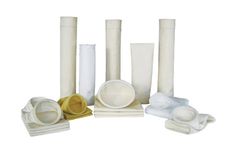
• Fuel filter bag: Filters particulates from diesel, kerosene, or biofuels. These applications often require integration with bag filtration systems that are compatible with liquid filter housing or bag filter housing units. ...
Whether you're in the business of converting plastic waste to energy, producing biofuels, or seeking a sustainable solution for biomass, understanding the essential components of the reactor and the key factors to consider can help ensure you make an informed decision. ...

The biological functions of platelets are preserved in platelet micromotors with their ability to target cancer cells and pathogens. Biofuels enable motor-shaped platelet micromotors to achieve directed propulsion. ...

Cut waste, catch problems early, and hit quality targets—biofuel producers use Fourier transform near-infrared (FT-NIR) spectroscopy to make that happen. ...
In brewing and winemaking, this involves filtering out the yeast and residual solids. For biofuel applications, further distillation or purification methods may be required to obtain fuel-grade ethanol. ...

Alternative Fuels: Using hydrogen fuel cells and biofuels can lower the environmental impact of ground operations. Smart Fleet Management: Implementing AI-powered tracking systems to optimize GSE usage and reduce idling time. ...

It plays a crucial role in gas separation and purification because it effectively captures active molecules like H2 and C-H bonds. l Biofuel production: In biofuel production processes alumina carriers also serve as important components. The production and refinement of biofuels utilizes calcium oxide-supported basic alumina (CaO/Al2O3) ...

Applications of MFA Metabolic Flux Analysis is widely applied across several scientific disciplines, including: Biotechnology: Used to optimize microbial strains for bio-production (e.g., biofuels, pharmaceuticals, or industrial enzymes), MFA enhances the efficiency of metabolic engineering projects. ...
HFCS is available in various grades, such as HFCS-42 (42% fructose, 53% glucose) and HFCS-55 (55% fructose, 42% glucose), depending on specific uses. The enzyme is also used in biofuel production, particularly in the enzymatic conversion of cellulosic biomass. ...
From enhancing food production to advancing biofuel research, xylanase has revolutionized various fields while offering eco-friendly solutions to global challenges. ...