
Biogas Conversion Articles & Analysis
16 articles found

Both catalysts were subsequently evaluated under biogas dry reforming (BDR) conditions for the production of synthesis gas, focusing on critical performance metrics such as model-biogas feed conversion (XCH4 and XCO2), selectivity of desirable products (SH2, SCO) and by-products (H2O, C), and the propensity and type of undesirable carbon formed ...
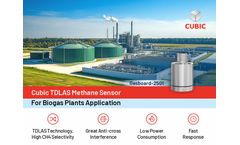
Biogas plants, as dedicated facilities for the conversion of organic waste into renewable energy, inherently involve significant safety risks associated with methane, the principal constituent of biogas. ...
The conversion of biogas into green energy is not only environmentally friendly, but also contributes to the optimization of natural resources. More and more industries have biogas stations to take advantage of waste generated in these facilities, contributing to generate a circular economy where all available resources are exploited. ...

Azienda agricola CAZZOLA Customer’s successful application case that with BioBANG has succeeded in significantly reducing of product’s viscosity in the digesters. This reduction allowed the customer to implement a gradual change of daily feeding, reducing the cost and projecting a future plant’s repowering towards biomethane ...
The use of Cambi THP has also resulted in an increased conversion of organics into biogas and strongly improves the dewatering performance of the final dewatering decanters. Dewatered sludge cake at > 30% DS is sent to SNB for mono-incineration. The biogas produced during the process is used for renewable power generation on site, for steam ...

UK Marches Biogas Overview Two solution focused industry leaders have formed a coalition to maximise anaerobic digestion (AD) plant efficiency through enhanced biogas quality analysis and control. ...

The Quantum Biopower Plant serving the central Connecticut region incorporates its GWE RAPTOR rapid anaerobic digestion system at the heart of its process that harvests mixed organic wastes for conversion into enough biogas (primarily methane) to generate 1.2 MW of electricity and up to 5.6 tons a day of dry biofertilizer. ...

Anaerobic digestion (AD) is one of the most popular biomass conversion technologies. AD can be further divided into four stages: pre–treatment, digestion, gas upgrading and digestate. ...

A pilot process of thermal hydrolysis combined with an expanded granular sludge bed reactor (EGSB) was carried out to evaluate pretreated sludge liquor into biogas conversion, process stability, and energy input/output balance. ...
Wastewater plants, landfills, farms and food plants are all the owners of biomass that can be digested to produce biogas and turned into power. Biogas can be burned directly in boilers for heat recovery and used for manufacturing, heating or cooling; this is the simplest method of direct biogas utilization on-site. ...
Fuel LHV is normally quoted using units of kWh/Nm3, if the energy input to the engine is calculated is known, the gas flow rate in m3/hr can easily be calculated. Energy conversion and biogas CHP plant efficiency The conversion efficiency of a combined heat and power plant can be defined as Electrical output from an alternator + utilised ...
Conventional sewage treatment: Sludge line: 20 kg DM IE year to sludge; 1.500.000 tons sludge per year Sludge treatment and disposal: 40% of STP opex average cost € 330 / ton sludge (incl. dewatering and processing costs) Traditional (mesophilic ) sludge digestion: Prim. sludge / sec. sludge = 50 : 50 Hydraulic Retention Time 20 days Average yield: 25 – 40% ...
In small-scale pilot experiments of the new process scheme, degradation of VSS improved by 3.5% over the control (mesophilic-only configuration) with 20% less ozone consumption. Moreover, biogas conversion also improved by 7.1% over the control. Selective enrichment of inorganic compounds during centrifugation produced a dewatered sludge cake with very low water ...
The best yield was obtained in the last period where a specific hydrogen production of 50.9 L/kg VSfed was reached, with a H2 content in biogas from the first reactor of 36%. The methanogenic stage after the hydrogen conversion reached a specific biogas production of 0.62 m3/kg VSfed and an overall organic removal above 70%, without any stability ...
The major activities include collection and transportation of solid waste to designated areas, separation of reusable components (recycling) and bioconversion of biodegradable (biowaste) components into organic fertiliser and biogas. These activities will involve the communities, the industries, Small and Medium-Scale Enterprises (SMEs) having the capacity of 'process and ...

At present, among the obstacles that this technology encounters, odor control and biogas utilization or disposal should be properly addressed. In fact, in most of small and medium size anaerobic municipal treatment plants, biogas is just vented, transferring pollution from water to the atmosphere, contributing to the greenhouse gas inventory. ...