
Refine by
Biogas Methane Articles & Analysis
138 articles found
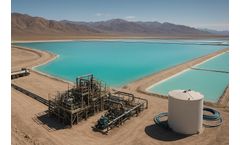
The company also offers waste-to-energy solutions that utilize anaerobic digestion of animal waste and organics to produce methane-rich biogas as an alternative energy source.5. Agricultural Processing: Bridging Farm and FactoryThe agricultural sector is the largest global water user, accounting for about 70% of freshwater withdrawals, followed by the industrial ...
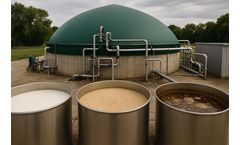
Why Anaerobic Digestion Works for Dairy Anaerobic digestion is a biological waste-to-energy process where microbes break down organic matter without oxygen, producing biogas, a methane-rich renewable fuel, and stabilized digestate solids. Dairy byproducts are high in organic content and readily biodegradable, enabling efficient and consistent ...
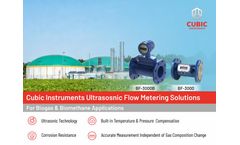
Evolving Measurement Demands in the Global Biogas and Biomethane Industry Global biogas and biomethane production are expanding rapidly, shifting industry priorities from project deployment to efficient operation, accountability, and long-term reliability. ...

What is a landfill? A landfill is a meticulously designed and managed facility used for the long-term treatment and disposal of municipal solid waste. It is currently the most widely used final waste disposal method. It safely and sanitarily stores and decomposes waste while minimizing pollution to the surrounding environment (particularly soil, groundwater, and air). It is more than a simple ...
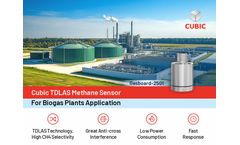
Biogas plants, as dedicated facilities for the conversion of organic waste into renewable energy, inherently involve significant safety risks associated with methane, the principal constituent of biogas. ...

Purification: The biogas is further refined to increase methane content, typically through techniques like pressure swing adsorption (PSA) or membrane separation, to remove CO2 and trace gases. ...
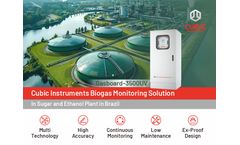
In October 2021, CG established its first biogas plant in Narandiba (São Paulo state) in partnership with GBT(a pseudonym used in compliance with client confidentiality requirements), a company specializing in biogas generation solutions. ...
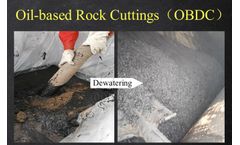
Anaerobic digestion In the process of anaerobic digestion, oil sludge is decomposed by anaerobic microorganisms in an oxygen - free environment. This produces biogas, which is mainly composed of methane and carbon dioxide. Methane is a valuable fuel with a high calorific value. The biogas can be collected and purified, and then ...

Introduction Biogas, a renewable energy source produced from organic waste, plays a critical role in reducing greenhouse gas emissions and providing sustainable energy. One of its primary components, methane, is essential for energy production, making its accurate measurement vital. This guide explores how to measure methane in ...
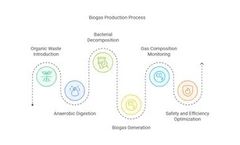
Biogas production has evolved from a niche practice into a pivotal part of renewable energy, converting organic waste into a clean energy source. ...
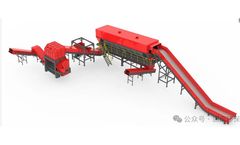
[System production capacity] 100,000-150,000 tons/year [Discharge size] ≤20mm; ≤30mm; ≤50mm (can be customized and adjusted depending on the application scenario and customer needs) [Application scenarios] Preparation of SRF/RDF alternative fuels; coupled combustion of biomass alternative fuels for power generation; pretreatment of biomass to methanol; pretreatment of biomass to ...

This can help to reduce the need for synthetic fertilizers, which can pollute waterways. Generating energy: Biogas, which is a methane-rich gas, can be produced from wastewater and used to generate electricity or heat. ...
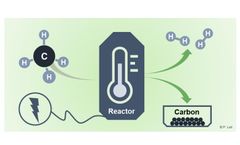
In addition to water electrolysis, which is the electrochemical production of H2 preferentially using renewable energy from wind and solar, methane (CH4) pyrolysis is considered an auspicious approach for large-scale H2 production that can be realized on an industrial level within a comparably short timeframe. Herein, methane is decomposed into gaseous hydrogen ...

There is enormous potential to increase the extraction of energy from farm waste Agricultural waste is one of the largest sources of methane emitted into the atmosphere from human activities. Methane is a potent greenhouse gas but it’s also highly combustible, making it a valuable source of renewable energy when captured. Anaerobic digesters can convert ...
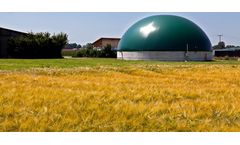
Legislation has potential to boost biogas use across the US When anaerobic digestion is used to process wastewater with a high organic load, it produces energy in the form of biogas, a combination of methane, carbon dioxide, and other gases. ...

Enhancing energy efficiency Better gas understanding equates to better performance. Optimising biogas production Monitoring gas components in biogas plants can maximise methane production, a primary energy source. ...
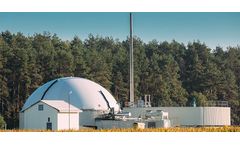
Biogas, a methane-rich mix of gases created by anaerobic digestion, can be burned to generate electricity or heat, or it can be processed further to produce a valuable source of renewable energy. ...

Monitoring Methane Content: Methane is the primary component of biogas and a potent greenhouse gas. ...
These analyzers measure the composition of biogas, including the levels of methane, carbon dioxide, hydrogen sulfide, and other impurities. ...

Anaerobic digestion is a biological process in which microorganisms break down organic matter without oxygen and transform them into end-products, including biogas, an energy-rich gas comprised of methane (CH4), carbon dioxide (CO2), and other trace amounts of gases. ...