
Biogenic Waste Articles & Analysis
9 articles found
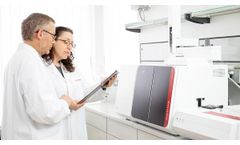
Innovative technologies that can extract biofuels from cellulosic biomass and waste also exist. These biogenic materials contain high volumes of harmful hydrocarbons containing nitrogen, sulfur, and chlorine, which must be stringently monitored using analytical processes. ...
It represented a population of 10 million inhabitants and 10% of the waste incinerated in France. In practice, measurements were made in collaboration with Cabinet Merlin, thanks to ENVEA’s AMESA-B system, including: continuous sampling in the exhaust gas flow, by periods of one month a filter cartridge for CO2 adsorbtion The AMESA B collects all the CO2 in the ...
ByENVEA

The resulting highly concentrated ammonia water can be excellently used as agricultural fertilizer. Drying digestates by means of waste heat from combined heat and power plants The considerations that followed revolved around how to dry the digestates free from ammonia. ...
Biogen provides an integrated food waste management solution for supermarkets, caterers, pubs, hotels, food manufacturers and local authorities across the UK. Biogen’s plant at Waen, St Asaph in Wales processes waste from a variety of county’s such as Conwy, Swansea, Denbighshire and Flintshire. ...

ABSTRACT In this paper, we present a measurement method for sampling and analysis of the ratio of biogenic and fossil-derived CO2 in stack gases from the combustion of mixed fossil and biogenic fuels. ...
In partnership with Blue Line Transfer Inc. and South San Francisco Scavenger Co., ZWE designed and developed the Blue Line Biogenic CNG Facility- a project essential in addressing numerous AB 32 requirements. A SMARTFERM dry AD facility will transform 11,200 tons of food and green waste per year into biogenic compressed natural gas (bio CNG), ...

The objective is to transform the biogenic fraction of Municipal Solid Waste (over 55%) into chemicals with an economic value greater than if it was used as an energy source. ...
ByFeyeCon

Since landfill ban was realised in July 2009 in Germany, wastes that have a high and middle calorific value must be incinerated. Fossil fuels like oil and coal for the generation of electricity and/or heat can be substituted, so that approximately 4 million tons of CO2 could be avoided. Waste incineration is a possible partial solution for avoiding worst impacts ...

Question: What is considered a biogenic fuel? Answer: Ethanol, animal waste used as fuel, biogas, and many other types of biogenic fuels must be reported if a facility exceeds the reporting threshold. ...