
Refine by
Biological Material Articles & Analysis
147 articles found
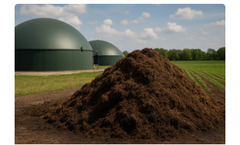
Wet digestate poses storage, transport and application hurdles, and untreated material may present biological hazards. Solutions exist: the HRS Digestate Concentration System (DCS) reduces digestate volume while increasing its nutritional value. Using multi-effect evaporation, surplus heat from the plant’s CHP engine or biogas boiler removes up to 80% of water, ...
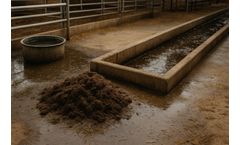
Livestock production operates within highly active biological environments where manure, moisture, and organic material are continuously generated and redistributed. ...
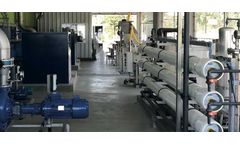
Protecting membranes, improving reliability, and reducing long-term operating risk Reverse osmosis (RO) plays a critical role in modern industrial water treatment. The technology delivers consistent, high-quality water for applications ranging from manufacturing and food and beverage production to power generation and high-purity processes. Yet even the most advanced RO systems depend on one ...

The ability to control the drug-to-antibody ratio (DAR), conjugation site, and overall molecular stability directly impacts both efficacy and safety. Among emerging linker materials, azide-functionalized PEG derivatives have become essential tools for CuAAC (copper-catalyzed) and SPAAC (strain-promoted) click conjugation. ...

For decades, USP Class VI testing (USP 88) has been a recognized benchmark for assessing the biological safety of polymers and other materials used in medical and pharmaceutical applications. ...
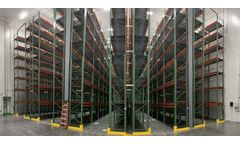
Summary This blog explores how purpose-built cold storage and Gigastorage solutions serve as critical risk mitigation strategies for pharmaceutical, biotechnology, aerospace, and agricultural industries. It highlights the importance of precision-engineered environmental chambers, scientific refrigeration, and scalable infrastructure to help ensure compliance, reliability, and resilience amid ...

Solid-State pH Sensors Solid-state sensors use materials such as glass, platinum, or ceramics to measure pH. These sensors are known for their durability and long service life in certain industrial applications. 4. ...
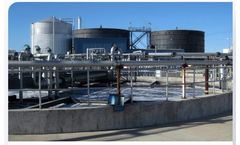
Wastewater treatment typically involves a combination of physical, chemical, and biological processes to remove solids, organic material, and nutrients. ...

Hydraulic submersible pumps are a go-to solution for demanding industrial tasks. Built to last, these pumps outperform electric motors in harsh conditions, whether underwater, handling abrasive materials, or dealing with variable loads. They’re used in a variety of roles, from excavation and large-scale dewatering to mining slurry transport, delivering reliable and efficient fluid movement ...

Sanitary: Collected in hospitals, labs, and pharmacies; the disposal of medications, masks, gloves, and biological material requires special protocols. Construction and demolition: Bricks, wood, glass, etc., which can be recycled or reused in new projects. ...

This is vital for understanding protein function and stability, as these structural elements significantly influence the molecule's biological activity. Conformational Changes: CD is sensitive to conformational changes in biomolecules. ...

Introduction Good Manufacturing Practice (GMP) cell banks play a crucial role in the biopharmaceutical industry, serving as foundational repositories of cell lines used for the production of therapeutic biological products. Characterization of these cell banks is essential to ensure the safety, efficacy, and consistency of the biopharmaceuticals derived from them. ...
The medical waste management industry is responsible for handling biohazardous materials that healthcare facilities generate. Used needles, biological waste, and other materials contaminated with pathogens must be disposed of according to strict health and environmental regulations to prevent the spread of ...

This service provides scientific isolation technology and full coverage of biological experimental materials, such as tissues, and cells, to assist centrosomal research. Centrosome, which acts as the main microtube organizing center (MTOC) in animal cells, is a cytoplasmic organelle composed of two microtubule-based cylinders called centrioles, and surrounded ...
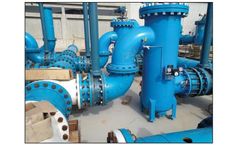
Advanced strainers are designed to offer far greater reliability than conventional options under unpredictable conditions. An industry expert provides insight into strainer use, design, selection, installation and construction. Plants in the chemical process industries (CPI) have long relied on strainers to filter liquids and slurries of particles and impurities, as well as to protect downstream ...

Biological samples come in all shapes and sizes: hard bones, tough and fibrous plants, tough and viscous sputum, soft muscles, tumor or liver tissue. ...

Sample Preparation(1) Collect samples from the biological material (such as cell cultures) under study.(2) Separate and purify the samples through an appropriate method (such as centrifugation) to obtain protein extracts.(3) Determine the protein concentration using a protein quantification method (like Bradford or BCA).2. ...
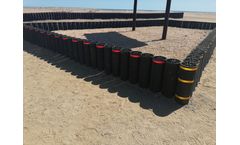
In recent times, research has increasingly focused on biological alternative approaches, including total biological seawater desalination. ...

For example, through carboxylic acid functional groups, PEGs can covalently bind to drugs, targeting ligands, or other biologically active molecules, thus enabling drug-targeted delivery and controlled release. ...

Non-degradable synthetic plastics include polyethylene (PE) and polyethylene terephthalate (PET), degradable plastics include polylactic acid (PLA) and polybutylene adipate terephthalate (PBAT), and microbial plastics are biodegradable plastics produced by microorganisms, with polyhydroxyalkanoates (PHAs) being a typical representative.Precursors of Non-degradable Synthetic PlasticsInclude ...