
Refine by
Biological Sampling Articles & Analysis
189 articles found

It features high mechanical strength, good chemical resistance, excellent thermal stability and low protein adsorption, playing a critical role in sterile filtration, solvent clarification and biological sample processing. However, its stable molecular structure has long been a challenge in sample pretreatment. ...

As a key piece of equipment in sample pretreatment, the accuracy of graphite acid removal equipment is affected by multiple factors. The following is a systematic analysis from the core dimensions: I. Sample Characteristics matrix complexity Organic matter content: Biological samples (plants, blood) require digestion with ...

Why Their Analysis is Critical Because sterols are central to so many biological processes, the ability to accurately measure them is paramount. ...
Microwave digestion provides a highly efficient and controlled approach for the preparation of biological samples for diatom analysis, ensuring accurate and reproducible results in forensic ...

A biosensor is a device that measures a biological or chemical reaction by producing a signal that is proportional to the concentration of the analyte in the reaction. ...

The Complexity Behind Fungal Isolation from Agricultural Samples Unlike in laboratory settings where conditions are controlled, field samples present a biological mosaic. ...
In the intricate landscape of modern biological research, particularly in human health and disease, the ability to simultaneously analyze multiple analytes from a single, often precious, sample is paramount. ...
Forensic and Toxicological Applications In forensic science, tryptamine analysis assists in identifying psychoactive substances in biological or environmental samples. Substances such as DMT and psilocin present unique challenges due to their rapid metabolism, making robust analytical methods critical for reliable detection. ...
Modern Lipidomics Services offer powerful solutions for studying lipid composition, quantification, and interactions in biological samples. Combined with advanced mass spectrometry and chromatography techniques, these services primarily employ two complementary approaches: untargeted lipidomics and targeted lipidomics. ...
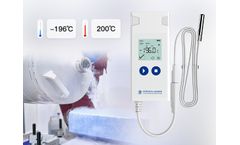
Liquid nitrogen is often used for cryopreservation, biological sample refrigeration, cooling processes, etc., and is sensitive to temperature fluctuations. ...

Following freezing, the lung tissue is sectioned using a cryostat, a specialized apparatus that allows for precise slicing of frozen samples. Sections are typically cut at thicknesses ranging from 5 to 20 micrometers, depending on the intended analysis. ...
In the realm of biological research, the ability to accurately observe and analyze cellular components is paramount. ...

This allows for the purification of specific nucleic acid sequences from crude biological samples, enabling researchers to study genetic material with reduced background noise. ...
Together, these molecules orchestrate complex biological processes, including cell growth, differentiation, apoptosis, and migration. ...
They regulate inflammation, immunity, and hematopoiesis, making them essential for understanding various biological processes and disease mechanisms. For researchers working with rabbit models, the ability to accurately measure cytokine levels is vital. ...
Given their importance, it is imperative to accurately measure vitamin levels in food, supplements, and biological samples. This is where vitamins quantitative analysis comes into play. ...

The pursuit of understanding the molecular architecture of biological macromolecules has been a cornerstone of modern structural biology. ...
A Luminex Cytokine Panel allows the simultaneous quantification of multiple cytokines, chemokines, and growth factors in a single sample. This multiplexing ability is critically important for researchers analyzing complex biological pathways, immune responses, and disease biomarkers. ...
Techniques for NAD/NADH Analysis Accurate analysis of NAD/NADH is challenging due to their instability and low abundances in biological samples. However, recent advances in analytical technology have greatly improved the precision and efficiency of these measurements. Common approaches include: High-Performance Liquid Chromatography (HPLC): This is a reliable and ...

Additionally, amino acid determination can also be used to monitor the levels of amino acids in biological samples, which is important for studying the pathogenesis and treatment effects of various diseases.Common Methods of Amino Acid Determination1. High-Performance Liquid Chromatography (HPLC)(1) PrincipleHPLC can separate, identify, and quantify various ...