
Refine by
Biomass Content Articles & Analysis
81 articles found

Moisture Content of the Feedstock The moisture level of biomass significantly influences the pyrolysis process and the final biochar yield. ...
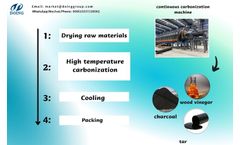
In actual production, maintaining the moisture content of the biomass feedstock entering the main carbonization unit within the range of 10% to 15% is considered a reasonable range. Different types of biomass raw materials exhibit vast differences in their natural moisture content. ...
The industrial conversion of lignocellulosic biomass into high-density carbonaceous fuel demands strict optimization of thermodynamic and mechanical variables. ...
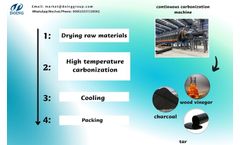
By pre-drying agricultural waste, unnecessary production costs can be minimized, allowing thermal energy to be focused more effectively on the biomass carbonization reaction. 2. Ensuring the Quality of Biochar Products Moisture content has a direct impact on the ultimate quality of the resulting biochar. ...
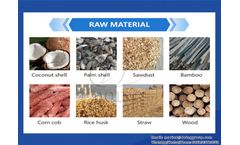
There are two primary reasons why installing charcoal-making machinery in Indonesia proves to be a profitable venture: I. Abundant Biomass Feedstocks: Lowering Production Costs Indonesia possesses vast and diverse biomass resources, providing natural cost advantage for charcoal production. ...
The South African plant, for instance, uses its plastic-derived pyrolysis oil to fuel aluminum melting furnaces, cutting fuel costs dramatically. Biomass—from agricultural waste to forest residues—becomes a renewable energy source via pyrolysis. When combined with plastics in co-pyrolysis, a synergistic effect occurs: plastics act as hydrogen donors, reducing the ...
Let’s explore how this process works, its unique benefits, and why it’s becoming a cornerstone of sustainable biomass recycling. First, why is sawdust such an ideal feedstock for charcoal production? ...
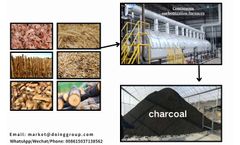
Here's how it works:Basic Principles of Wood Charcoal Preparation The core principle of wood charcoal preparation is high-temperature pyrolysis. In this process, wood or biomass is heated in an oxygen-deficient environment, gradually breaking down volatile compounds and leaving behind a carbon-rich solid residue known as charcoal. ...
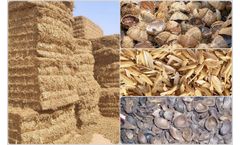
The best feedstock for biochar production depends on its availability, carbon content, and ease of processing. High-quality biochar raw materials generally share several common characteristics: high carbon content, suitable density, and a reasonable ash content. Biomass rich in lignin and cellulose is generally preferred because ...

Drying The crushed biomass is then dried to reduce moisture content. Our drying system uses advanced technology to ensure that the materials are dried evenly and quickly, without compromising their quality. Carbonization The dried biomass is fed into the carbonization chamber, where it undergoes high-temperature pyrolysis. This process converts ...
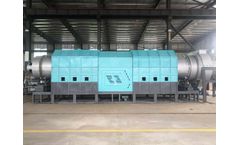
Feedstock Sourcing and Preparation The upstream phase begins with the selection and transport of biomass feedstock. Typical materials include agricultural residues, forestry by-products, and organic municipal waste. The energy consumed in harvesting, drying, and transporting feedstock contributes to the plant's total carbon footprint. Moisture content plays a ...
In the quiet hum of the equipment, the magic unfolds. Biomass, ranging from agricultural residues to woody biomass, surrenders its carbon content to the pyrolytic flames. ...
Bio-oil Quality: The chemical composition of the biomass can significantly affect the quality of bio-oil. For example, high lignin content may lead to a more aromatic, heavier bio-oil, while biomass rich in cellulose tends to produce lighter bio-oil with a higher proportion of aldehydes and alcohols. Syngas Composition: Biomass ...
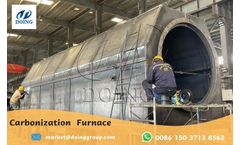
The pyrolysis carbonization furnace controls the temperature, oxygen content and other conditions to make biomass waste undergo pyrolysis reaction in a high temperature and oxygen-deficient environment to produce combustible gas and charcoal. ...
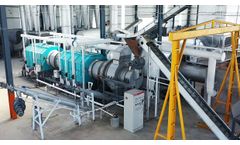
Below is an overview of the key steps involved in the operation of biochar production equipment. 1. Biomass Feedstock Preparation The first step in the biochar production process is the preparation of the biomass feedstock. ...
The biomass fraction of pyrolysis refers to the portion of biomass material that undergoes thermal decomposition in the pyrolysis process to produce valuable products such as biochar, bio-oil, and syngas. ...

With a presence in 138 countries on six continents, pharma company is now the world’s largest integrated supplier of solid dosage products and services – providing hard-shell capsules, film and foil barrier solutions. Founded in Mumbai, India in 1961,now serves pharmaceutical companies all over the world, touching almost every aspect of solid dosage ...
Foundations of Biomass Pyrolysis: Understanding the BasicsAt its core, a biomass pyrolysis plant, also called biochar production equipment is a thermal conversion facility designed to transmute biomass into valuable products through the process of pyrolysis. ...
Key Components of Charcoal Making Machines The reactor, akin to the maestro's baton, initiates the pyrolysis dance. It's within this chamber that biomass undergoes metamorphosis, surrendering its carbon content to the transformative flames. ...
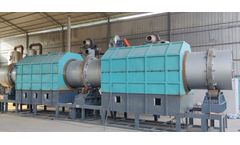
Biochar, a porous, carbon-rich material derived from biomass, has the potential to revolutionize soil health and carbon sequestration. ...