
Refine by
Biomass Controller Articles & Analysis
68 articles found
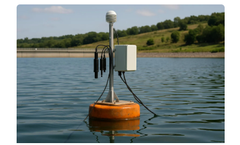
Modern systems measure chlorophyll-a (total algae biomass), phycocyanin (cyanobacteria pigment), dissolved oxygen, water temperature, pH, and turbidity. ...
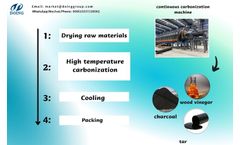
In the process of biomass resource recycling, biomass carbonization technology has garnered widespread attention for its ability to transform waste into high-value energy. ...
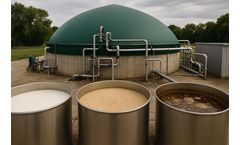
Recuperative thickening is a retrofit designed to improve microbial biomass control within existing anaerobic digesters. The process separates digestate solids from liquid using a high-efficiency separation step, typically dissolved air flotation. ...
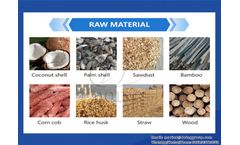
There are two primary reasons why installing charcoal-making machinery in Indonesia proves to be a profitable venture: I. Abundant Biomass Feedstocks: Lowering Production Costs Indonesia possesses vast and diverse biomass resources, providing natural cost advantage for charcoal production. ...
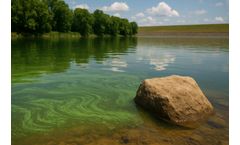
Strategies include:Reservoir destratification to reduce cyanobacterial dominanceNutrient load reduction from agricultural and urban runoffSelective intake withdrawal from depths with lower algaeReal-time water quality monitoring for early interventionUltrasonic algae control to suppress cyanobacterial growth without chemicalsUltrasonic technology addresses taste and odor at the ...

Charcoal making machines have revolutionized the way biomass is converted into high-quality charcoal. While these machines contain many parts, only a few core components truly determine their efficiency, durability, and output quality. ...
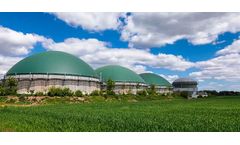
Here’s how recuperative thickening with a sidestream loop can be a game changer for your enterprise Industrial operations that use anaerobic digestion to treat high-strength organic waste often face a dilemma, that is, whether to expand digester volume or push existing units harder. Recuperative thickening offers a third option. It involves retrofitting an existing digester with a ...
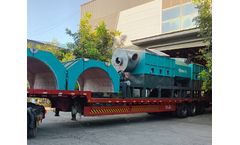
Gas Collection and Filtration Systems A critical component in emission control is the installation of advanced gas collection units. Pyrolysis gases generated during biomass carbonization are channeled through sealed conduits, preventing direct atmospheric release. ...
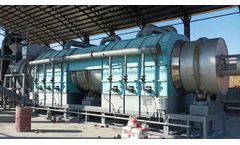
Biochar production technologies have matured significantly, allowing for the controlled conversion of biomass into a carbon-rich material with wide-ranging applications. ...
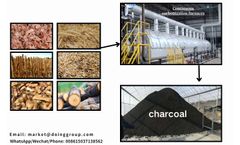
Temperature control Precise temperature control can produce biochar products that meet the requirements of specific uses. DOING continuous biochar reactor uses precise temperature control and pyrolysis process control-heating biomass in an oxygen-deficient environment. ...

Yet despite the widespread use of anaerobic digestion, many existing systems underperform, often due to limited biomass control, outdated design assumptions, or operational instability. ...
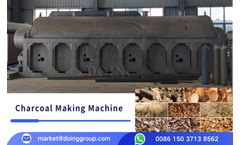
The biomass continuous carbonization furnace is an efficient and environmentally friendly equipment for the thermochemical conversion of biomass resources. The whole set of continuous carbonization furnace converts biomass into charcoal by controlling the temperature, pressure and gas of the carbonized material. ...
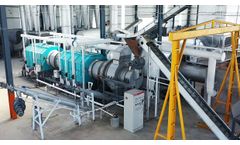
The operation of biochar production equipment involves a series of meticulously controlled processes that transform organic biomass into a valuable byproduct. ...
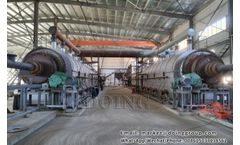
After carbonization, corn cobs are converted into a high-quality biomass carbon. This biomass carbon not only has the characteristics of high calorific value and low pollution, but also has a wide range of application prospects. ...
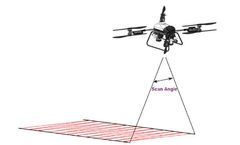
Line scan patterns were used to create accurate topographic elevation models (DEMs), and a spirograph pattern was used to collect detailed vegetation data to create vegetation biomass models. After installing ground control points (GCP), Figure 4, and control images, based on which the received data was refined, the Emlid Reach RS2 base station ...
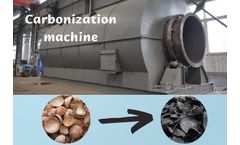
Continuous carbonization furnace is an efficient and environmentally friendly equipment for the thermochemical conversion of biomass resources. The whole set of continuous carbonization furnace converts biomass into charcoal by controlling the temperature, pressure and gas of the carbonized material. ...
Carbonization Chamber: Essential for the conversion of raw biomass into charcoal through controlled heating and absence of oxygen, ensuring the carbon content necessary for quality hookah charcoal. ...
This intricate technique involves the thermal decomposition of organic materials, such as wood, agricultural residues, and municipal waste, in the absence of oxygen. Through controlled heating, biomass undergoes a series of chemical reactions, yielding valuable products like biochar, bio-oil, and syngas.The Biomass Pyrolysis Process: Unraveling ...

Wood waste is chipped or shredded for use as mulch or biomass fuel. Quality Control and Testing: Implement quality control measures to ensure that recycled materials meet regulatory standards and project specifications. ...
Technological Innovation in Carbonization At the heart of small charcoal making machines lies advanced biomass pyrolysis technology. This innovative approach to carbonization ensures a controlled and efficient process, resulting in high-quality charcoal. The machines facilitate precise temperature and residence time control, contributing to the ...