
Refine by
Biomass Gasification Articles & Analysis
58 articles found

Introduction Syngas, or synthesis gas, is a vital component in various industrial processes, serving as a fuel source and a raw material for chemical synthesis. It is primarily used in power generation, chemical production, and fuel manufacturing. Accurate measurement of syngas is critical to ensuring efficiency, safety, and compliance with industry standards. This article explores the ...
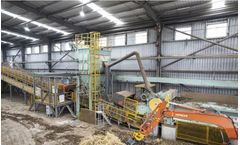
Technological Development of Fuelization/Energy Biomass fuel/energy utilization technologies such as straw are mainly divided into biomass blending and biomass methanol production. 1. Biomass Blending Biomass blending is to mix biomass such as straw with traditional fossil fuels (such as ...

Understanding the differences between biomass gasification and pyrolysis is crucial for determining the most suitable approach based on the type of biomass, the desired product, and the specific environmental or industrial objectives. Defining Biomass Gasification Biomass ...

Germany is a world leader in biomass gasification technology. It has promulgated the Renewable Energy Law (EEG) and provided clear subsidy policies for biomass gasification power generation. ? Biomass-to-methanol production uses biogas generated from agricultural and forestry wastes and kitchen waste to ...
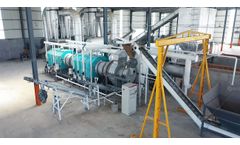
Technological Advancements Keeping abreast of technological advancements in charcoal production is vital. Innovations such as biomass gasification, pyrolysis technology, and advanced filtration systems can significantly improve the efficiency and environmental footprint of charcoal making. ...

In view of the excessive use of fossil energy which damage to the air and vegetation, a renewable bioenergy draws more and more attention. Biomass energy is energy generated by living or once-living organisms. ...
Hydrogen is emerging as a key player in the transition to a cleaner, more sustainable energy landscape. As industries and governments worldwide invest in hydrogen technologies, the need for advanced gas analysis solutions has never been greater. Let’s explore how gas analysis innovations are unlocking the potential of hydrogen and shaping tomorrow’s energy landscape, and how Cambridge ...
Energy Production: Coconut shell charcoal is utilized as a renewable fuel source for energy production, including heat generation, electricity generation, and biomass gasification, contributing to sustainable energy solutions. Conclusion In conclusion, increasing the carbon content of coconut shell charcoal involves a combination of meticulous production ...

Introduction In the current climate change environment, finding clean energy alternatives to traditional fossil fuels has become crucial. Biomass gasification technology has become a high-profile energy production method, which converts biomass waste into syngas that can be used for power generation, heating and fuel production. However, to use ...
Unleash the power of Syngas Analysis in Biomass Gasification Applications. The aim of this blog is to decode this subject. ...

Pellet gas from biomass pellet mill. Biomass pellet fuel is a type of eco-friendly brand-new energy, which uses plant wastes, such as sawdust, branches and sapwood, corn stover, rice straw as well as rice husk, and is made right into pellets via the biomass pellet mill and also biomass pellet assembly line. ...
Exactly what is biomass carbonization and the way does it work The process of biomass carbonization necessitates the thermal decomposition of organic matter in the lack of oxygen. ...

Renewable Energy 10 MW Power Plant Nexterra is delivering its first biomass gasification project in the United Kingdom to MWH and Birmingham Bio Power Ltd. ...
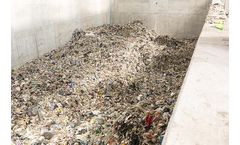
Waste gasification is a type of waste to energy process where waste material is used as a fuel to create heat, electricity or other chemical products. ...

Syngas production from waste gasification is one way to produce renewable energy. However, varying waste compositions can make gasification challenging to control, resulting in inconsistent syngas compositions. ...

One of the big current and future problems is the instability and finite nature of fossil fuel supply. Beside the steadily rising crude oil and natural gas prices, in particular the finite nature makes a future use of alternative energy and heat supply ...

Coal Association) AWMA - Air & Waste Management Association Journal AWR – Advances in Water Resources AWRA - American Water Resources Association Journal AWWA - American Water Works Association Journal BECT – Bulletin Environmental Contamination Toxicology Biocycle – BioCycle Magazine Biodiesel – Biodiesel Magazine Biofpr – Biofuels, Bioplastics, & ...
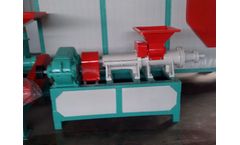
The environmentally-friendly continuous peanut shell charcoal making machine is mainly used for carbonization of biomass materials such as sawdust, rice husk, hemp straw, straw, nutshell, and coconut shell. The charcoal briquette production line equipment utilizes the principle of gasification carbonization and adopts advanced smoke-free environmental ...
As we know, it is necessary to carry out N2 exchange until the feeding operation, but stilly, the O2 content in the furnace must be determined because the feeding coal slurry enters firstly, and it may reacts with O2 causing an explosion. 2 . Biomass gasifier The main materials of the biomass gasifier are agricultural and wood wastes, which have the feature of ...

This multiplebenefit solution is epitomized by the emerging new generation of systems that combine biomass gasification, WESPs for gas cleaning, and the production of combined heat and power (CHP) using the cleaned gas in various engine designs. Biomass gasification units use a thermal destruction process to produce synthetic ...