
Refine by
Biomass Thermal Articles & Analysis
51 articles found

As industries and governments pursue sustainable resource utilization strategies, biochar production equipment has emerged as a practical solution for converting biomass waste into valuable carbon-rich products. Through advanced thermal conversion technologies, waste biomass can be transformed into biochar, supporting environmental sustainability ...
High internal moisture requires a prolonged endothermic phase, as substantial thermal energy must first be consumed just to drive off interstitial water.Thermal Penalties of Excess Moisture When unmanaged biomass enters the reactor, the internal temperature drops sharply. ...
A wood pyrolysis plant, specifically designed to convert wood and biomass into valuable byproducts, is at the forefront of this innovation. ...
Among the emerging green technologies, biochar stands out as a versatile and cost-effective material that holds great potential for mitigating climate change, restoring soil health, and promoting circular economy. Derived from the thermal decomposition of biomass in an oxygen-limited environment—a process known as pyrolysis—biochar is a carbon-rich, porous ...
Biochar, a carbon-rich material derived from biomass through thermal decomposition, has gained prominence as both a soil amendment and an industrial input. ...
Among them, pyrolysis oil—a renewable liquid fuel produced from the thermal decomposition of biomass or plastic waste—holds immense promise. ...
Among the various biofuel production methods, biomass pyrolysis stands out for its significant environmental benefits. ...
However, to truly harness the full potential of this technology, it is essential to understand the chemical composition of the biomass materials being processed. Biomass pyrolysis is a thermal degradation process that transforms organic materials such as agricultural residues, forestry waste, and municipal solid waste into useful products. ...
The biomass fraction of pyrolysis refers to the portion of biomass material that undergoes thermal decomposition in the pyrolysis process to produce valuable products such as biochar, bio-oil, and syngas. This fraction is significant in determining the efficiency and output of a pyrolysis system. Key Aspects of the Biomass ...
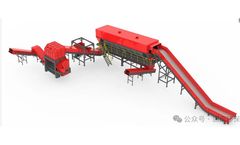
Biomass fuel blending in Europe Europe has used biomass fuels on a large scale for more than 30 years. The UK has adopted the direct-fired co-combustion route for large coal-fired power plants and has continuously increased the proportion of biomass coupling. Through policy drive, cost management and safety control, it achieved multiple 100% ...
This article explores the burgeoning market opportunities and potential applications of mobile biochar machines, elucidating their role in advancing agricultural sustainability and combating climate change.Understanding the Mobile Biochar Machine A mobile biochar machine represents a compact, versatile apparatus designed to produce biochar from various biomass feedstocks on-site. ...
Understanding Biochar and Its Production Process Biochar, a carbon-rich material derived from the pyrolysis of biomass, holds immense potential in mitigating environmental challenges while offering versatile applications. ...
In the ever-evolving landscape of sustainable agricultural practices, biochar emerges as a promising contender, offering a multitude of benefits to poultry farming operations worldwide. Derived from the biomass pyrolysis process, biochar is a carbon-rich substance renowned for its capacity to enhance soil health, improve nutrient retention, and mitigate environmental degradation. ...

Biomass CHP Plant at malt production of Malteurop Poland The Malteurop Group is the world’s leading malt producer, with a current annual production capacity of more than 2,200,000 tons. ...
The Mechanism of Wood Charcoal Making Machines Pyrolysis Process At the heart of wood charcoal making machines lies the pyrolysis process, a sophisticated thermal decomposition of biomass. This intricate dance of heat transforms organic materials into high-quality charcoal, leaving behind a residue of gases and bio-oil. ...
The intentionally sluggish pace of this thermal decomposition method allows for a controlled breakdown of feedstock materials, typically biomass, into distinct components. This method is characterized by a prolonged heating phase where the biomass undergoes thermal degradation without immediate vaporization. ...
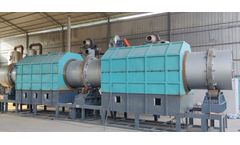
Biochar, a porous, carbon-rich material derived from biomass, has the potential to revolutionize soil health and carbon sequestration. ...
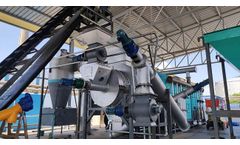
This intricate process involves subjecting biomass to intense heat in the absence of oxygen. This absence of oxygen triggers thermal decomposition, transforming biomass into charcoal. ...
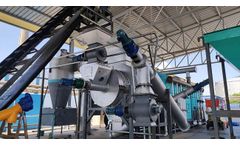
Biochar Making Machine: Technical Insights The biochar making machine is a marvel of engineering precision that unlocks the latent potential within biomass. At its core lies the intricate process of pyrolysis, wherein biomass undergoes controlled thermal decomposition to produce biochar. The machine's mechanisms optimize pyrolysis parameters, ...
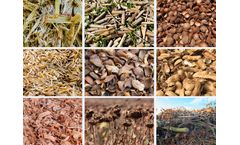
In the pursuit of sustainable biomass management, two distinctive approaches have garnered attention: biochar production and composting. ...