
Refine by
Biomedical Development Articles & Analysis
26 articles found

Due to its biocompatibility, antimicrobial properties, and film-forming capabilities, chitosan is widely used in food preservation, water treatment, cosmetics, agriculture, and biomedical applications. 1. What is Chitosan? Chitosan is produced by the deacetylation of chitin, a major component of crustacean exoskeletons and fungal cell walls. ...
ByMatexcel

The advent of organoid technology has transformed biomedical research through the development of 3D models that precisely replicate human organ structures and functions in a physiological context. ...

The continuous advancement of biomaterials has led to the development of various copolymers, among which Poly(lactic-co-glycolic acid) (PLGA) and Polyethylene Glycol (PEG) copolymers have garnered significant attention. ...
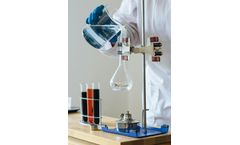
The practice of cell culture remains essential for biomedical research and drug development as it provides critical tools to study cellular functions and disease processes while generating possible treatments. ...

The measurement of collagen can help researchers and physicians understand the pathological process of related diseases (such as osteoporosis, arthritis, skin aging etc.), and also aid in drug development and other biomedical research.The measurement of collagen can usually be carried out through several different methods:Mass Spectrometry1. ...

Peptide sequencing techniques have become an indispensable tool in biological research, providing scientists with an efficient method to decipher protein structure and function, helping us deeply understand biological processes, identify new therapeutic targets, and have important applications in biomedical research. The rapid development of peptide sequencing ...

This validation method is crucial for a deep understanding of the roles and functions of proteins in organisms, contributing to the advancement of biomedical research and drug development. Proteome validation usually includes the following steps.Protein IsolationThe target protein needs to be separated from the biological sample. ...
•In Vitro Labeling QuantificationMetabolic reaction-based in vivo labeling quantitative technology has problems such as long time consumption and high price, so a series of in vitro labeling quantitative technologies have been developed. Among them, enzymatic labeling and chemical labeling after sample processing is the current research focus.1. ...
In biomedical research and drug development, antibodies play a crucial role. ...

TMT label quantification proteomics technology has a wide range of applications in biomedical research, drug development, and disease diagnosis:1. Biomarker DiscoveryBy comparing samples under healthy and diseased states, TMT label quantitative proteomics can be used to identify potential biomarkers. ...

This process involves a series of techniques, which are critical for understanding the biological function of proteins, studying the interactions between proteins, and developing new drugs. Common methods for full-length protein sequencing include Mass Spectrometry (MS), protein sequencers, and bioinformatics methods. ...
In recent decades, PROTACs have become an attractive technology in drug development. Candidate drugs like ARV110 and ARV-471 have entered Phase I/II clinical trials, indicating the potential of PROTACs in the treatment of cancer and other diseases. ...
Low Endotoxin Cytokines Matters Organoid culture, CAR-T cell therapy, stem cell therapy, and other topics have become broadly discussed among biomedical researchers. In fact, it is not difficult to see that these advanced technologies are all related to cell culture. ...

By altering the bonding moieties and the nature or position of donor groups, Schiff base ligands with different properties and variable structures can be developed, ranging from chains to rings and from monodentate to polydentate. ...
However, the complex tumor regulatory network makes circRNA research still in its infancy, and the regulation mode of circRNA may be related to tumor type and tumor microenvironment type, and the algorithm and technology for detecting circRNA are not yet developed enough are also obstacles to the research process. Circular RNA Sequencing Technology Beginning around 2010, the ...

On this paper, the latest progress in cell and molecular biology that has been made with the utilization of PFT is summarized, and future views for additional development and biomedical purposes of PFT are offered. Secretome Profiling and Computational Biology of Human Leiomyoma Samples Unravel Molecular Signatures with Potential for Diagnostic and Therapeutic ...

Calviri, a company founded by Stephen Johnston, a professor at ASU and the director at the Biodesign Center for Innovations in Medicine, is developing a preventive cancer vaccine in the heart of Phoenix. Startup companies in Phoenix are looking for young professionals who can bring new ideas to the table, to help the industry grow exponentially, Johnston said. ...
ByCalviri
With its RepliGut® in vitro human intestinal model, Altis Biosystems is developing a system that could help pharma companies identify GI toxicity issues early in the drug development process. ...

The Shojinmeat project has a recipe for DIY culture medium on its website, and Canadian company Future Fields has developed a serum free growth medium for cultivated meat. Many of the current cultivated meat companies are either using commercially available culture medium, developing their own formulations in-house, or developing formulations ...
This includes scanning objects, scanning data processing using special software tools and transfer to a CAD system, modeling and simulating, as well as generating prototypes developed which are manufactured with different additive manufacturing processes. ...