
Refine by
Biomedical Industry Articles & Analysis
54 articles found
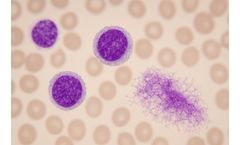
Neutrophils are the most abundant white blood cells in human blood and central to innate immunity, employing mechanisms such as NET formation to trap and eliminate pathogens.Labeling neutrophils without altering their function has been challenging; many existing methods activate neutrophils, biasing downstream analyses. Bertin Bioreagent’s Myelotracker uses a peptide-based approach that targets ...

Wholesale Nitinol wire, a Nickel-Titanium alloy, is transforming various industries with its unique properties of shape memory and superelasticity. ...

The advent of organoid technology has transformed biomedical research through the development of 3D models that precisely replicate human organ structures and functions in a physiological context. ...

Simple Summary The present study investigated possible administration of pectin derived from apple pomace as a beneficial and cost-effective feed additive to be used in trout culture. To achieve the aim, a range of parameters were measured including immune parameters (both at physiological and molecular levels), growth performance and digestive enzyme activity. The results showed promising ...

By incorporating fluorescent probes into the structure of MNPs, researchers can track and visualize these nanoparticles in biological systems, paving the way for a range of applications, particularly in biomedical fields Technical Principles Fluorescence labeling methods, such as covalent coupling with fluorescein isothiocyanate (FITC) and click chemistry, are pivotal in the ...
The continuous advancement of biomaterials has led to the development of various copolymers, among which Poly(lactic-co-glycolic acid) (PLGA) and Polyethylene Glycol (PEG) copolymers have garnered significant attention. These materials are extensively utilized in drug delivery systems, tissue engineering, and regenerative medicine. This article presents a detailed comparison of PLGA and PEG ...

Applications of MFA Metabolic Flux Analysis is widely applied across several scientific disciplines, including: Biotechnology: Used to optimize microbial strains for bio-production (e.g., biofuels, pharmaceuticals, or industrial enzymes), MFA enhances the efficiency of metabolic engineering projects. ...

This abundance makes egg white extraction the most common method for industrial lysozyme production. For large-scale applications, recombinant DNA technology has been employed to produce highly pure lysozyme for research and commercial purposes. Biotechnology firms such as Creative Enzymes use advanced microbial expression systems to produce lysozyme with tailored properties, ...

Gene editing has emerged as a transformative tool in the field of biomedical science, with significant implications for the treatment of various diseases. The primary focus is on harnessing this technology for modifying primary T cells, a type of white blood cell crucial for the immune response. This approach has opened new avenues for immunotherapy, providing hope for treating conditions like ...

Comparative proteomics is a branch of proteomics that involves comparing protein expression in different biological samples (such as cells in healthy and disease states or cells from different biological species). This comparison can reveal which proteins have changed under specific conditions, thereby helping scientists understand disease mechanisms, identify biomarkers, and even discover new ...

iTRAQ (Isobaric Tags for Relative and Absolute Quantitation) and TMT (Tandem Mass Tag) are two commonly used mass spectrometry labeling techniques for protein quantification analysis in proteomics research. These techniques quantify protein expression levels in different samples by using chemical labels and are particularly useful for comparing biological samples under different conditions, such ...

Genes are the basic units of inheritance, but they only come to life when they are translated into proteins. Proteins are the main participants in biological functions, involved in processes ranging from biochemical reactions and signal transduction to structural support. The proteome is the collection of all proteins present in biological fluids, cells, and tissues, and it reflects the ...

Mass spectrometry is a powerful analytical technique that can provide detailed information about the composition, structure, and modifications of proteins. To ensure the accuracy and reliability of the analytical results, the requirements for the samples are relatively strict, as follows:Sample PurityThe samples for mass spectrometry analysis must be of high purity to avoid interference from ...

Compared with collagen extracted from natural sources, recombinant collagen has better safety, purity, and controllability, thus it is widely used in the biomedical and cosmetics industries. The molecular weight of recombinant collagen is an important parameter for understanding its structure and function.Structure of CollagenCollagen is a protein with a triple ...

The ubiquitination site of a protein refers to those specific amino acid residues on the protein molecule that can covalently bind with Ubiquitin. Ubiquitin is a small protein that plays an important regulatory role in cells, particularly in protein degradation and signal transduction. Ubiquitination is a post-translational modification process where ubiquitin molecules are attached to specific ...
Single-cell proteomics is a method for studying the expression and regulation of proteins in individual cells. This technique is crucial for understanding cellular heterogeneity, revealing how different proteins interact within a cell, and how they respond to external stimuli. Single-cell proteomics can provide us with more detailed and precise information, as it directly measures the functional ...

Imagine a world where diseases like cancer, Alzheimer's, and Parkinson's could be diagnosed and treated at the molecular level, long before symptoms even appear. This is the promise of fluorescent biopolymers, a revolutionary new class of materials that could transform the field of biomedical research. What Are Fluorescent Biopolymers? At their core, biopolymers are simply long chains of ...
ByMatexcel

Polymers play an important role in the biomedical field, and polyethylene glycol (PEG) and its derivatives are among the multifunctional polymers that have attracted much attention. PEG is a synthetic macromolecule with a linear structure consisting of glycol units (-CH2CH2O-) repeatedly linked. Its unique properties give PEG a wide range of applications. PEG is soluble in organic solvents and ...
Introduction For years, scientists have leveraged the brilliant potentialities of genetic science to explore how cells function and interact in living organisms. Among the numerous tools employed are "reporter systems," which use a visible marker to track gene expression, protein interactions, and other vital biological processes. One such system employs reporter lentiviral particles, using the ...
Introduction of 3D Printing Materials 3D printing has revolutionized the manufacturing industry, allowing the creation of complex and customized objects with ease. ...