
Refine by
Bioplastics Articles & Analysis
95 articles found

As global awareness of plastic pollution grows, PLA (Polylactic Acid) has emerged as a promising biodegradable alternative to conventional plastics. However, proper sorting and recycling infrastructure is critical to realize its environmental benefits. PICVISA offers the key technologies that make PLA recycling efficient and scalable through advanced optical sorting solutions. What Is PLA ...

A University of Washington study evaluates sustainable bioplastics from algae, focusing on sugar kelp-derived materials, their seawater biodegradability and comparative life cycle environmental impacts relative to polylactic acid (PLA).The algal approach offers a feedstock-independent alternative that is naturally biodegradable, addressing concerns about reliance on agricultural ...

Plastics recycling The role of plastic recycling companies in reducing ocean pollution Understanding the problem: What is ocean pollution and why it matters Oceans are essential for life on Earth and play a vital role in regulating the global climate. Almost one million known species inhabit them. Oceanic phytoplankton, the foundation of the marine food chain, performs photosynthesis, producing ...
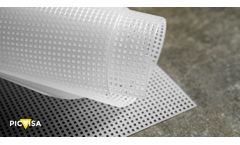
Specialised enzymes are already being used to degrade polymers like PET, while combining recycled monomers with bio-based building blocks enables the creation of new bioplastics. Nuclear technologies. The gamma ray and electron irradiation allows complex plastics to be degraded, cross-linked or grafted at the molecular scale. ...
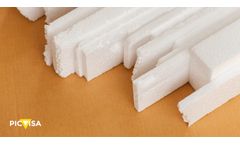
This is why it is being displaced by other materials such as cardboard or the bioplastic PLA (PolyLactic Acid), derived from corn starch or sugar cane, which is biodegradable and compostable.However, the spearhead of the recycling sector is to opt, as we shall see, for innovative technologies. ...
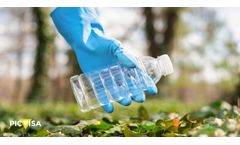
Environmental and economic impact Unlike conventional plastics, which are made primarily from non-renewable fossil resources such as petroleum and can take hundreds of years to decompose, sustainable plastic bottles are obtained from renewable sources with low environmental impact. They are known as bioplastics and are made from materials such as biomass, algae, bacteria, corn ...

We live with a strange paradox where plastic packaging is criticised for the waste and pollution that it creates, yet in food supply chains, it remains ubiquitous. Behind that choice is a mix of functional, logistical and economic reasons. In this article, Ansini, specialist plastic manufacturers look at the different types of food-grade plastics and examine their benefits and role within the ...

When selecting disposable tableware for an event, you may think you are making a more sustainable choice by selecting those labelled “bioplastic” or “compostable”. But are these materials really biodegradable? ...

Innovations in metabolic engineering and strain optimization are paving the way for producing biofuels, bioplastics, and other sustainable products more efficiently. Moreover, the integration of S. cerevisiae into bioprocessing systems can enhance the scalability of fermentation processes, making them more sustainable and economically viable. ...
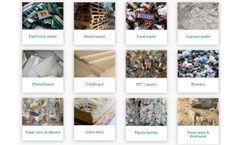
Why is energy efficiency important in recycling operations? Energy efficiency stands at the forefront of optimizing recycling operations, serving a pivotal role in cutting down operational expenses, bolstering environmental sustainability, and significantly reducing the carbon footprint associated with recycling activities. The utilization of efficient machinery is paramount, as it not only ...
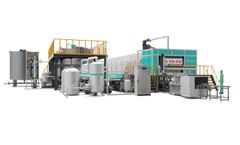
The global push towards sustainability has led to innovations in various sectors, particularly in packaging. A coffee cup tray machine plays a pivotal role in promoting environmental protection by producing eco-friendly packaging solutions. The rise of such machinery reflects a broader trend of minimizing waste and reducing reliance on harmful plastic products. This article explores how the ...

These sugars can be further converted into valuable end products such as ethanol, bioplastics, and prebiotic compounds. The ability of xylanase to efficiently degrade xylan has made it indispensable in industries such as food, feed, paper and pulp, textiles, and bioenergy. ...
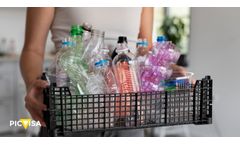
Plastic recycling facts and myths Did you know that plastic is so called because of its ability to take on different shapes? Its structure is formed by a single molecule (monomer), which is repeated indefinitely forming long chains called polymers. This structure gives it elasticity and flexibility over a range of temperatures, allowing it to be molded and adapted to various shapes. Let’s ...

Another valuable by-product of the process is digestate, which can be used in agricultural and horticultural applications, as well as a foundation for bioplastics and other products. However, several common assumptions about waste-to-energy processes can lead to misunderstandings and inefficiencies. ...

Using alternative materials such as glass, metal or bioplastics can reduce dependence on plastic. When shopping at the supermarket or picking up take-out food, we should always carry our own bags. ...
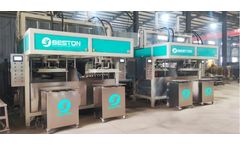
Local suppliers of raw materials, such as paper, plastic, or bioplastics, benefit from increased demand. Furthermore, skilled technicians, engineers, and operators are required to maintain and manage the equipment, fostering job creation and knowledge transfer. ...
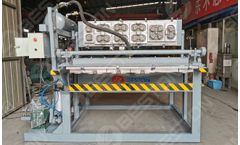
In the domain of coffee cup trays, the strength and choice of materials are paramount. Evaluating these factors ensures the production of durable, reliable, and user-friendly trays. The importance of these attributes cannot be overstated, as they directly impact the functionality and user experience. Material Selection The first step in crafting an exemplary coffee cup tray produced by pulp ...
Industrial Applications: - Adhesive in specialized manufacturing processes - Component in certain bioplastics and biodegradable materials Ovalbumin in Research and Development The scientific community continues to explore new applications for ovalbumin proteins. ...

Using alternative materials such as glass, metal or bioplastics can reduce dependence on plastic. When shopping at the supermarket or picking up take-out food, we should always carry our own bags. ...

Seaweed Farms: Establishing seaweed cultivation areas, typically on ropes or lines, to grow different types of seaweed for various applications like food, biofuels, or bioplastics. Hatcheries: Building facilities for the production of fish or shrimp larvae, which are then transferred to grow-out farms for further ...