
Refine by
Biosecurity Articles & Analysis
114 articles found

Large-scale poultry and livestock operations rely on precise environmental control to support animal health, welfare, and predictable growth. As facilities expand, maintaining consistent temperature, airflow, humidity, and air quality across sheds and storage areas becomes increasingly complex with manual checks ...
ByAutima

Like other closed PBRs, there is a higher capital investment; however, with high-density continuous culture, these PBRs pay back that investment through labour savings, lower operational costs, and enhanced biosecurity. This leads to countless downstream benefits for biotechnology research projects, hatcheries and overall microalgae production. ...
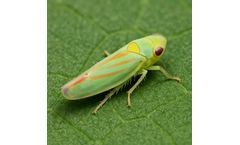
Introduction Flying insects remain one of the most challenging pest categories faced by industries that depend on stringent hygiene and biosecurity standards. Species such as the house fly (Musca domestica), stable fly (Stomoxys calcitrans), blowflies, and midges are not merely aesthetic concerns — they are active mechanical vectors capable of transmitting bacteria, ...

In use in a dozen plus countries, by shrimp and fish farmers, it has been found to result in consistent outcomes provided adequate biosecurity measures are in place and farmers adjust their usage rates as the cycles progress. ...
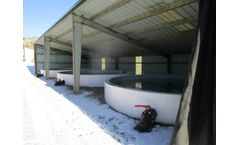
Big improvements at Wigwam Rearing Station The Wyoming Game and Fish Department recently completed the second phase of a major renovation at the Wigwam Rearing Station, upgrading its trout-rearing tanks to Octaform’s advanced tank system. Producing approximately 50,000-60,000 pounds of trout annually, Wigwam is the third-largest hatchery in the state and plays a critical role in sustaining ...
This technological revolution promises to improve efficiency, sustainability, and animal welfare, but it also raises ethical and environmental questions. In this article, we will explore the impact of AI on intensive farming, examining the benefits, challenges, and potential future implications. ...

Additionally, the use of bamboo, a rapidly renewable resource, further enhances the sustainability of biochar production.Pathogen Control and Disease Prevention Maintaining biosecurity and preventing disease outbreaks is paramount in poultry farming operations. ...
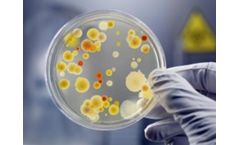
Bacillus subtilis colony on agar In a recent article, I pointed out how the practice of growing bacteria up on pond side is risky at best. It is rarely biosecure and certainly not without appropriate oversight and QC by a qualified microbiologist. ...
Larger operations may produce a billion or more PLs a month although this is the exception with most production coming from smaller hatcheries. Biosecurity is weak in general regardless of the size of the facility and those who operate them all too often neglect the tools of science (Newman personal observations). ...
The only way to control this pathogen is to exclude it and control the levels through common sense biosecurity measures. Some of these are: Use our proprietary blend of bacteria, tableted for ease of use, PRO 4000X, to reduce accumulated organic matter during the cycle. ...
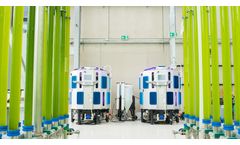
This complexity often leads many producers down a path of compromise, resorting to the less-biosecure systems. While these systems might be convenient, they come with their own set of issues. ...
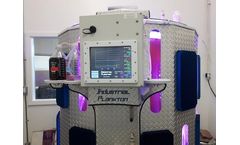
If you are using one of the Industrial Plankton Biorreactors, we recommend inoculating with a 20 L carboy of biosecure clean algae. Explore algae production equipment here. If you require further assistance, the Industrial Planton's skilled staff can guide you on best practices for inoculum generation through to the final harvest ...
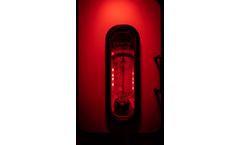
The SBRs make the production of seaweed gametophytes and sporophytes easier and more reliable by providing a biosecure, controlled environment. This technology stabilizes seed supply and increases productivity for the seaweed industry. ...
Typical pond side culture Perhaps the single largest biosecurity gap, right after not ensuring that broodstock are clean, in dealing with AHPNS is the continued pond side growout of bacteria without appropriate quality control and oversight This poses a serious biosecurity risk: AHPNS causing bacteria thrive under these conditions. ...
Shrimp farming, as a whole, is a slowly maturing multinational agrisector prone to fluctuations in output largely as a result of biosecurity lapses. Diseases are the bane of shrimp farmers globally. Their impacts vary from country to country, farm to farm and pond to pond. ...

The past couple of years have pushed hospitals, health care, and medical professionals to the limits. In this post we look at the current state of affairs within the medical sector, what can be done to help and what we can do to make sure that medical staff are not only safe whilst saving lives but not having to worry about the waste that is being created in the process. It's no surprise that ...
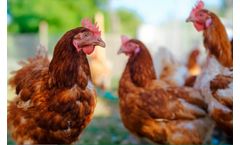
It is highly contagious amongst birds and there is currently a UK wide requirement for all birds to be kept indoors and away from wild birds to try and limit the spread of disease.Bird keepers must implement strict biosecurity measures, such as regular handwashing and wearing protective clothing and footwear to avoid an outbreak. ...
For many, having onsite incineration is essential for confidence, biosecurity and to obtain some certifications (such as Red Tractor). Here at Inciner8, we have a long history of supporting farms all across the world. ...
If you are considering improving the bio-security on your site by investing in an incinerator, it's useful to have up-to-date information on the regulations and legislation set by the bodies who oversee safe, ethical and efficient incineration. ...
Dealing with wildlife roadkill can be a challenging task due to the weight and size of the animal. Typically highway agencies will remove any wildlife that has been involved in a collision with a motorist. However in some cases the motorist may move the animal somewhere safe before the collection crew arrives at the scene. ...