
Biosolids Reduction Articles & Analysis
12 articles found

Achieving a significantly higher solid content in the biosolids would obviously represent a major operational cost saving for the Water Authority. ...

Naval Air Station (NAS) Jacksonville’s wastewater treatment facility plant with their CleanB® system, resulting in a 95% reduction in energy consumption for biosolids treatment and a reduction in greenhouse gas emissions of approximately 480 tons per year. ...

This study investigated sources of odours from biosolids produced from a Western Australian wastewater treatment plant and examined possible strategies for odour reduction, specifically chemical additions and reduction of centrifuge speed on a laboratory scale. To identify the odorous compounds and assess the effectiveness of the odour ...

In this study, the authors investigated the ability of biochar to catalyze the reductive reactions of nitro herbicides and explosives. Two biochars, derived from poultry litter and wastewater biosolids, were found to promote the reductive removal of the dinitro herbicides pendimethalin and trifluralin and the explosives 2,4‐dinitrotoluene and ...

As a result, Stabilisation Grade C biosolids is produced and is always a management problem to both biosolids producers and beneficial reuse end-users in high population growth areas. A simple, economical, and environmentally friendly method of volume/mass reduction and further biosolids stabilisation is air-drying, however, ...
In 2001, the City of Phoenix, Arizona (USA) committed to the conversion of the existing high-rate anaerobic digestion process at the 8.9 m3/s 91st Avenue Wastewater Treatment Plant (WWTP) to a multi-phase process (acid/methane, mesophilic/thermophilic) to optimise existing digestion capacity and achieve Class A biosolids. The improved solids reduction is ...

There are a wide variety of processes which are capable of treating biosolids to comply with the pathogen reduction requirements defined by US EPA 503 regulations. ...

Co-digestion of manure, putrescible waste and biosolids is becoming increasingly common. Part of the reason for digesting manure is so that it can be transferred from areas of intensive animal production to arable farming areas. ...
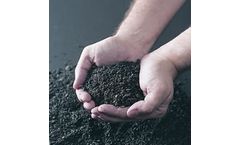
There has been an increase in interest amongst utilities to develop solids technology concept trains that result in solids volume reduction for land application. For example, the Water Environment Research Foundation has recently initiation the OWSO “optimization” program in part to develop concepts that reduce sludge volumes for beneficial reuse or disposal. Another ...

The co-application of biosolids and water treatment residuals (WTRs) has been previously trialed to reduce excessive bioavailable P in the soil treated with biosolids. ...

Low-frequency and high-intensity ultrasonic treatment of biosolid is a good method for biosolid disintegration. So, as a pre-treatment method of anaerobic digestion, it may replace the hydrolysis. Thus, we studied the effect of ultrasonic disintegration of biosolid at different ultrasonic power densities. Results showed that the Soluble Chemical ...

Oxygen uptake of biosolids compost was measured during both laboratory and full-scale studies. ...