
Refine by
Bird Control System Articles & Analysis
105 articles found

For facility managers, property owners, and pest control professionals, cold months introduce a different set of challenges, especially when it comes to birds. As temperatures drop and food sources disappear, birds become more reliant on buildings for shelter and warmth. That makes winter bird control a critical ...
When temperatures fall and daylight shortens, many facility managers assume bird activity will taper off. In reality, the opposite often happens. Winter concentrates bird pressure around commercial and industrial buildings as birds seek warmth, shelter, and reliable food sources. That seasonal shift is why winter bird control is a critical, often overlooked component of year-round pest ...
When the temperature drops and snow starts to fall, many property managers and facility operators assume that bird control becomes a lower priority. After all, spring and summer bring the most visible bird activity with nesting, breeding, and increased outdoor presence. But in reality, the colder months introduce a different kind of pressure—one that makes winter bird control essential for ...
As temperatures drop and natural resources become scarce, birds adapt quickly—often by shifting their behavior and habitat to survive the harsh winter months. Commercial buildings, with their warmth, shelter, and predictable human activity, become especially attractive to birds seeking refuge. While this seasonal migration may seem harmless, it introduces a host of challenges for property ...
Commercial rooftops serve as critical real estate for essential infrastructure—HVAC systems, solar energy arrays, and communications equipment. Yet these same structures also attract pest birds seeking shelter, warmth, and elevated nesting spots. ...
Food processing plants and cold storage facilities operate under some of the most stringent sanitation and safety requirements in commercial industry. These environments are designed to protect food integrity, comply with regulatory standards, and maintain uninterrupted operations. However, they also present unique challenges when it comes to pest birds. Birds are drawn to food-related facilities ...
Airports and transportation facilities face some of the most complex bird management challenges of any commercial environment. Large open spaces, expansive rooftops, water features, lighting infrastructure, and constant vehicle movement create ideal conditions for birds to gather, roost, and forage. At the same time, these facilities operate under strict safety, regulatory, and operational ...
Over time, even a small bird presence can create outsized problems. Droppings damage vehicle finishes, nests clog drainage systems, and repeated cleanup erodes both operational efficiency and customer perception. This is why Bird Control for Car Dealerships must be treated as a long-term facility management issue rather than a ...
Warehouses and industrial facilities present unique challenges when it comes to managing pest birds. The scale, structure, and function of these buildings—often featuring high ceilings, open bays, storage racks, and constant activity—create ideal conditions for birds seeking shelter, food, and nesting sites. Pigeons, sparrows, starlings, and gulls are particularly problematic in these ...
Bird infestations create significant challenges for facilities managers overseeing commercial, industrial, and institutional properties. From health hazards and structural damage to aesthetic concerns and regulatory compliance issues, uncontrolled bird populations can lead to costly consequences that affect operations, tenant satisfaction, and profitability. Implementing effective bird control ...
Effective bird management rarely relies on a single product or technique. Birds are highly intelligent and adaptable creatures. If faced with only one deterrent, many species quickly adjust their behavior to ignore the threat. Successful bird control instead comes from creating a multi-sensory, multi-layered environment that birds find unpredictable and inhospitable. Combining control solutions ...
Bird netting is one of the most effective and humane methods for excluding pest birds from buildings, gardens, and other structures. It physically blocks access without causing harm, making it ideal for long-term bird control. But not all netting is the same. Bird-X offers three distinct netting lines-Premium, Structural, and Standard-each designed to meet different performance requirements, ...
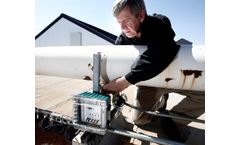
Bird infestations are more than just a nuisance for businesses. Left unchecked, birds cause extensive damage to buildings, machinery, inventory, and public spaces. ...
As warmer weather arrives and spring approaches, the familiar cycle of bird nesting season begins once again. While it might be tempting to address bird issues only after they’ve become a visible problem, waiting until birds have already established nests can lead to costly and complex challenges. Once nests are built, it becomes more ...
As winter fades and temperatures rise, birds become more active, searching for nesting sites and food sources. While many bird species are a welcome sign of spring, some can become a major nuisance. Pigeons, starlings, sparrows, and grackles are common pest birds in North America, known for causing property damage, creating health hazards, and leaving behind unsightly droppings, making spring ...

Air travel is widely considered the safest form of transportation due to several factors, including adhering to stringent safety regulations and continuous advancements in aircraft technology, maintenance practices, and air traffic control systems. Despite being one of the safest modes of travel, the aviation industry faces an escalating threat from ...

Our company always do the reserch and improving the bird control products. This month, we make a new bird spikes for solar panel bird proofing. This Solar Panel Bird Spikes provide effective bird proofing solutions for solar panels, preventing pigeons, seagulls, and other pest birds from nesting or roosting under solar panels. The premium stainless steel material that protects against rust, UV, ...
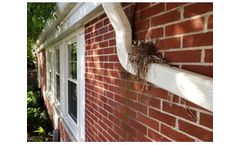
Has a bird made a nest on your home? If so, it’s likely because the nest is in a safe place where predators cannot easily access it. Moreover, birds typically nest high up, such as on ledges or in nooks and crannies. Where do birds make nests on your home? They’re likely to nest in the windowsills, gutters, slanted roofing, downspouts and corners of your property. Moreover, nests can ...
If you take a close look at birds, you might notice that they have tiny nostrils, called nares, on the sides of their beaks. For years, it was believed that birds used these nares almost exclusively for breathing and not for smelling. Even famed naturalist John James Audubon was certain that because birds possessed superior eyesight, they never had a need to develop a sense of smell. However, ...
Winter is on its way. Along with colder temperatures, this season also brings an overwhelming number of migrating Canada Geese. As a passerby, these birds can be innocuous or even charming. However, when it is your land that the geese have claimed as their winter vacation getaway, they suddenly stop seeming so harmless. Not only are geese irritating—they can be dangerous as well. Part of ...