
Bird Wire Articles & Analysis
33 articles found

As winter sets in, pest pressures don’t go away—they shift. For facility managers, property owners, and pest control professionals, cold months introduce a different set of challenges, especially when it comes to birds. As temperatures drop and food sources disappear, birds become more reliant on buildings for shelter and warmth. That makes winter bird control a critical priority for ...
When temperatures fall and daylight shortens, many facility managers assume bird activity will taper off. In reality, the opposite often happens. Winter concentrates bird pressure around commercial and industrial buildings as birds seek warmth, shelter, and reliable food sources. That seasonal shift is why winter bird control is a critical, often overlooked component of year-round pest ...
When the temperature drops and snow starts to fall, many property managers and facility operators assume that bird control becomes a lower priority. After all, spring and summer bring the most visible bird activity with nesting, breeding, and increased outdoor presence. But in reality, the colder months introduce a different kind of pressure—one that makes winter bird control essential for ...
When winter sets in and temperatures drop, many pest bird species shift their behavior in search of shelter, food, and warmth. For warehouses and industrial facilities, this seasonal shift brings heightened risk of infestation. Large, open indoor spaces—often with high ceilings, exposed rafters, and ongoing human activity—offer birds ideal roosting conditions during colder months. If ...
As temperatures drop and natural resources become scarce, birds adapt quickly—often by shifting their behavior and habitat to survive the harsh winter months. Commercial buildings, with their warmth, shelter, and predictable human activity, become especially attractive to birds seeking refuge. While this seasonal migration may seem harmless, it introduces a host of challenges for property ...
Commercial rooftops serve as critical real estate for essential infrastructure—HVAC systems, solar energy arrays, and communications equipment. Yet these same structures also attract pest birds seeking shelter, warmth, and elevated nesting spots. Without proper deterrents in place, birds can cause extensive damage to equipment, degrade energy efficiency, and create ongoing maintenance ...
Food processing plants and cold storage facilities operate under some of the most stringent sanitation and safety requirements in commercial industry. These environments are designed to protect food integrity, comply with regulatory standards, and maintain uninterrupted operations. However, they also present unique challenges when it comes to pest birds. Birds are drawn to food-related facilities ...
Airports and transportation facilities face some of the most complex bird management challenges of any commercial environment. Large open spaces, expansive rooftops, water features, lighting infrastructure, and constant vehicle movement create ideal conditions for birds to gather, roost, and forage. At the same time, these facilities operate under strict safety, regulatory, and operational ...
Car dealerships are designed to showcase inventory, attract customers, and project a polished, professional brand. Large outdoor lots, glass-front showrooms, elevated signage, and expansive rooftops are all part of that presentation—but they also create ideal conditions for pest birds. Pigeons, gulls, starlings, and sparrows are commonly drawn to dealership properties, where they find open ...
Warehouses and industrial facilities present unique challenges when it comes to managing pest birds. The scale, structure, and function of these buildings—often featuring high ceilings, open bays, storage racks, and constant activity—create ideal conditions for birds seeking shelter, food, and nesting sites. Pigeons, sparrows, starlings, and gulls are particularly problematic in these ...
Bird infestations create significant challenges for facilities managers overseeing commercial, industrial, and institutional properties. From health hazards and structural damage to aesthetic concerns and regulatory compliance issues, uncontrolled bird populations can lead to costly consequences that affect operations, tenant satisfaction, and profitability. Implementing effective bird control ...
Rooftops offer a perfect storm of conditions that attract pest birds during the summer. Elevated from predators, warmed by the sun, and often near food sources, they become prime real estate for nesting, roosting, and shelter. For property owners and pest control professionals, these high places can quickly turn into maintenance nightmares without proper control ...
Effective bird management rarely relies on a single product or technique. Birds are highly intelligent and adaptable creatures. If faced with only one deterrent, many species quickly adjust their behavior to ignore the threat. Successful bird control instead comes from creating a multi-sensory, multi-layered environment that birds find unpredictable and inhospitable. Combining control solutions ...
Birds are dynamic creatures whose behaviors change significantly with the seasons. A site free of pest birds in spring may be overrun by migrating flocks in fall or by nesting colonies in summer. Effective bird management isn’t a one-time effort—it’s an ongoing strategy built around seasonal cycles and proactive measures. Year-round bird control relies on anticipating shifts in ...
As warmer weather arrives and spring approaches, the familiar cycle of bird nesting season begins once again. While it might be tempting to address bird issues only after they’ve become a visible problem, waiting until birds have already established nests can lead to costly and complex challenges. Once nests are built, it becomes more difficult to remove them due to legal restrictions and ...
As winter fades and temperatures rise, birds become more active, searching for nesting sites and food sources. While many bird species are a welcome sign of spring, some can become a major nuisance. Pigeons, starlings, sparrows, and grackles are common pest birds in North America, known for causing property damage, creating health hazards, and leaving behind unsightly droppings, making spring ...

Our company always do the reserch and improving the bird control products. This month, we make a new bird spikes for solar panel bird proofing. This Solar Panel Bird Spikes provide effective bird proofing solutions for solar panels, preventing pigeons, seagulls, and other pest birds from nesting ...
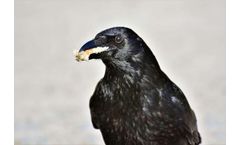
It feels like a scene from Alfred Hitchcock’s “The Birds,” but it’s actually a city located in Silicon Valley. Recently, Sunnyvale, Calif. has been dealing with a moderate crow problem that is affecting its downtown. Since the start of the pandemic, thousands of crows have been congregating in heavily trafficked areas of the city and defecating on sidewalks, streets, ...
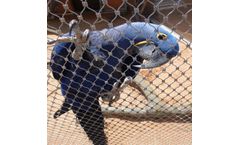
It can meet the bird aviaries design of different sizes and provide a green and healthy living environment for birds, and the stainless steel wire rope mesh is more resistant to corrosion, non-rust, anti-UV, eco-friendly and extremely low cost of maintenance, and it’s smooth surface, not harm the feathers of birds, so, ...

The Aerolaser Handheld is the ideal addition to Jersey International Airports’ bird strike prevention methods. Not only became it easier, cheaper and quicker to scare away birds, some of the species stayed away altogether. Company: Jersey International Airport Location: Jersey, United Kingdom Product: Aerolaser Handheld Reason: Danger of low altitude bird strikes In use since: Summer ...