
Refine by
Boiler Feed Water Articles & Analysis
140 articles found
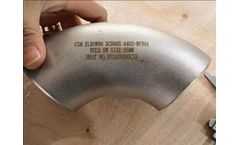
In modern industrial and civil fields, pipeline systems transport water, gas, oil, chemical media, etc. like blood vessels. Stainless steel pipe elbows, as key steering components, not only have to withstand harsh working conditions such as high pressure, high temperature and strong corrosion, but also ensure the smooth transportation of fluids and safe use. ...
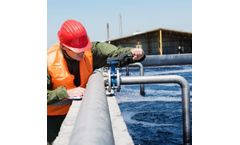
Manufacturing operations produce contaminated wastewater loaded with solids, chemicals, and organic matter that makes direct discharge or reuse impossible. Thankfully, wastewater is treatable using physical separation, biological digestion, and chemical reactions to remove contaminants at each stage. Progressive cleaning turns unusable wastewater into water clean enough for your processes or ...
Choosing the right industrial centrifugal pump is a crucial decision that significantly impacts the entire operation of any business that relies on fluid handling. From chemical processing to wastewater management and oil extraction, pumps are the backbone of many industries. The performance, efficiency, and longevity of industrial systems often depend on the pumps used. Therefore, understanding ...

The goal of an ETP is to remove contaminants from the wastewater so that the treated water can either be safely discharged into the environment or reused in various applications. ...
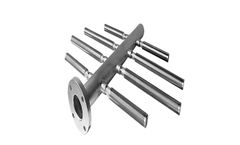
Hub and Header Lateral System: Achieve Efficient Liquid and Gas Distribution or Collection Inside a Vessel or Tank A hub and header lateral system can distribute or collect fluid uniformly across the vessel or tank's cross-section. These systems generally consist of a central hub or a header pipe, with multiple wedge wire screen laterals radiating outwards or branching along the pipe length. This ...
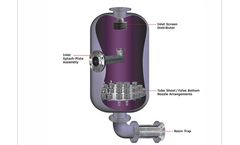
In industrial water treatment systems, particularly ion exchange columns, maintaining the integrity of the resin bed and ensuring effective filtration is critical for performance and longevity. ...
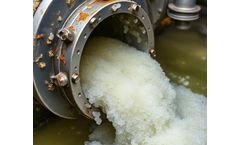
Silica fouling in industrial systems presents a major challenge, especially in reverse osmosis (RO) applications. Preventing this fouling condition requires understanding the behavior of silica in water. Operators need to understand and effectively implement sustainable strategies to mitigate this issue. Silica is the seventh most abundant element in the universe and is common in nature. ...
Water treatment processes rely on several advanced technologies to achieve high-purity water for industrial, commercial, and municipal applications. One essential process is degassing, which removes dissolved gases such as carbon dioxide (CO2), oxygen (O2), nitrogen (N2), and hydrogen sulfide (H2S) from water. Degassing systems play a crucial role in improving water quality, preventing corrosion, ...
In water treatment processes, achieving high-purity water is essential for industries such as pharmaceuticals, power generation, food processing, and electronics manufacturing. One critical step in this purification process is water degasification, which removes unwanted gases from water to enhance its quality and performance. When combined with reverse osmosis (RO) technology, degasification ...
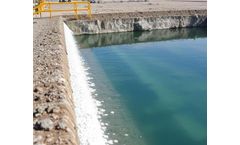
Are you a plant manager dealing with scale deposits buildup in your boiler feed water? Maybe you are a consulting engineer trying to optimize a client’s cooling tower water treatment. ...
In industrial settings, high silica levels in water can damage equipment. This makes high-efficiency silica treatment methods necessary. Whether you’re a plant manager, environmental consultant, or water treatment engineer, understanding these methods is crucial for protecting your water systems and preventing costly damage. This exploration of high-efficiency silica treatment methods will ...
In the textile industry, water is essential, but this reliance creates a wastewater challenge. Effective textile wastewater treatment systems are crucial for both the environment and a company’s bottom line. Let’s explore why these systems matter and how the right approach can transform wastewater from a problem into a resource. From fiber production to garment finishing, every step ...
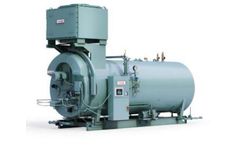
Boiler blowdown is the removal of water from a boiler for the purpose of controlling the levels of total suspended solids, TSS, and total dissolved solids, TDS, in the steam system. These can be caused by poor feed water quality, boiler chemicals, or by exceeding the solubility limits of salts in ...
In an era where water scarcity and environmental regulations are tightening their grip, innovative industrial water purification systems for heavy industries are becoming more important to stay competitive and sustainable. Heavy industry companies like those in manufacturing, mining, oil/gas, steel production, petrochemical processing and power generation rely heavily on large volumes of water ...
Industrial processes need a consistent, reliable supply of water. But with growing populations and climate change putting stress on traditional freshwater resources, businesses are looking for sustainable solutions. This is where water recycling, wastewater treatment, and industrial water solutions come in. By treating and reusing water, industries can decrease their dependence on freshwater ...
Ion exchange resin is used not only for producing pure boiler feedwater but also for the condensate polishing plant (CPP), which removes various impurities accumulated in boilers that use condensate water. The high-purity condensate water that directly passes through the turbine of the power generator has a high temperature (60~80℃) and high-pressure characteristics. The reason why a condensate ...

In today’s world, where both economic pressures and environmental concerns are intensifying, the reuse of wastewater has become a key issue. Many activities at industrial and municipal sites generate wastewater, which, if not properly treated, can release harmful pollutants into the environment. Membracon, a global leader in sustainable solutions, is tackling this problem head-on by using ...
Water and wastewater treatment technologies help keep the grid up Water plays an essential role in thermoelectric power generation. Thermoelectric power plants need a lot of water. In fact, thermopower generation is responsible for 41% of daily industrial water withdrawals. From intake to outfall, from boilers to cooling towers, there is an ensemble of water treatment technologies needed to keep ...
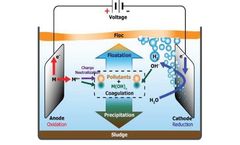
In the never-ending quest for optimal water treatment, industrial plant managers and engineers know that silica removal is the backbone of effective system management. Reduce silica, and your equipment will thank you – minimizing costly repairs and downtime. Imagine you’re at the helm of a boat, navigating through a sea of choices for silica removal methods. With multiple options ...

Imagine turning the vast, salty oceans into an endless supply of clean water for drinking and industries alike. That’s the reality of seawater reverse osmosis desalination. It’s not a far-off dream or a scene from a sci-fi movie. It’s happening right now, all over the world. Seawater reverse osmosis desalination is a game-changer in the fight against water scarcity. It’s ...