
Refine by
Boiler Water Articles & Analysis
311 articles found
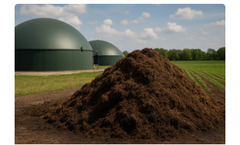
Using multi-effect evaporation, surplus heat from the plant’s CHP engine or biogas boiler removes up to 80% of water, yielding a material easier to handle. The process also converts ammonia to ammonium sulphate, reducing odours and improving environmental performance. Recovered water can be recycled into the feedstock before digestion to improve ...

Chemical Plants: To handle corrosive and high-temperature fluids. Power Plants: For steam and water pipelines in boilers and turbines. HVAC Systems: For air and water distribution in heating and cooling systems. Water Treatment: For pipelines carrying treated or untreated water. Dimension Tables for Long Radius ...
Keywords: Control Of Total Phosphate With UV-Visible Spectrophotometry, high quality uv visible spectrophotometer manufacturer, high quality uv visible spectrophotometer, Precise Control Of Total Phosphate With UV-Visible Spectrophotometry Metash, a high quality uv visible spectrophotometer manufacturer, will share the precise control of total phosphate in boiler/cooling ...

Client: Keppel Seghers Site: Doha, Qatar Application: >98% efficiency NH3 scrubbing of <600ppm >98% efficiency H2S scrubbing of ...
Based on the actual alkali boil out procedure, emphasizing the steps and precautions necessary to ensure optimal boiler performance, this article is dedicated to briefly answering frequently asked questions surrounding the process, specifically when using FINEAMIN® water treatment chemicals for boiler cleaning. ...

Differential pressure transmitters can be used to precisely measure the pressure and liquid level inside reactors, thereby enabling precise control of the reaction process.3. Power SystemsSteam Flow and Boiler Water Level Monitoring: In power systems, differential pressure transmitters can be used to monitor steam or gas flow in steam turbines or gas turbines, as ...
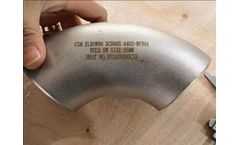
In modern industrial and civil fields, pipeline systems transport water, gas, oil, chemical media, etc. like blood vessels. Stainless steel pipe elbows, as key steering components, not only have to withstand harsh working conditions such as high pressure, high temperature and strong corrosion, but also ensure the smooth transportation of fluids and safe use. ...

The goal of an ETP is to remove contaminants from the wastewater so that the treated water can either be safely discharged into the environment or reused in various applications. ...

Silica is everywhere—from sand dunes to microchips—yet its presence in groundwater can silently erode heat-exchange efficiency, foul RO membranes, and cripple high-pressure water boilers. Silica remediation for groundwater isn’t only a compliance box; it is a profitable tool that protects infrastructure, maximizes uptime, and safeguards ...
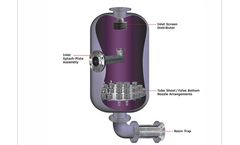
In industrial water treatment systems, particularly ion exchange columns, maintaining the integrity of the resin bed and ensuring effective filtration is critical for performance and longevity. ...
Batching and ball milling: Weigh various raw materials according to a certain weight percentage, add an appropriate amount of water and put them into a ball mill for 3-6 hours to make the raw materials evenly mixed into slurry.2. ...
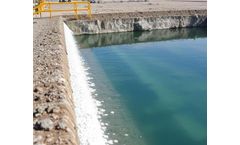
Are you a plant manager dealing with scale deposits buildup in your boiler feed water? Maybe you are a consulting engineer trying to optimize a client’s cooling tower water treatment. ...

Plants can improve water sustainability, increasing fresh water supplies and overall efficiency Because most power plants are heavy water users, particularly for cooling the steam used to turn generator turbines, effective water treatment is crucial to maintaining efficiency, reducing operational costs, and complying with ...
The Hoskinson Medical Waste Plant has been disposing of the Hospital's bio-hazardous waste efficiently and effectively. It is easy to operate and is a proven asset to Hospital ...
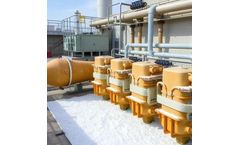
I’ve seen firsthand how unchecked silica can wreak havoc on industrial water systems. It’s a problem for plant managers, maintenance crews, and a drain on resources. Effective silica precipitation control in water systems can safeguard your operation and your bottom line. This article explores silica’s impact, removal methods, and innovative ways to tackle silica scale control ...

Various industries including Wastewater treatment, power generation, food processing, and chemical manufacturing depend on industrial strainers to separate unwanted suspended solids from liquids and slurries. However, conventional strainer methods can be unreliable and lead to extensive maintenance, particularly in cases (such as pulp mills) where the debris or solids are of substantial size and ...
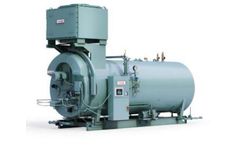
Boiler blowdown is the removal of water from a boiler for the purpose of controlling the levels of total suspended solids, TSS, and total dissolved solids, TDS, in the steam system. These can be caused by poor feed water quality, boiler chemicals, or by exceeding the solubility limits of salts in the ...
Automated scraper strainers paired with macerators eliminate high volumes of large, suspended solids from slurries for "set it and forget it" ...
Ion exchange resin is used not only for producing pure boiler feedwater but also for the condensate polishing plant (CPP), which removes various impurities accumulated in boilers that use condensate water. The high-purity condensate water that directly passes through the turbine of the power generator has a high temperature ...
In the power industry, Industrial strainers are used to separate unwanted suspended solids from liquids, and slurries from boiler water sLag, or for Altering Bunker C fuel supplied to burners for power generation. ...