
Refine by
Brain Barrier Articles & Analysis
30 articles found

This means LNDs have an advantage in crossing vascular barriers and reaching lesions directly. Even more interestingly, disc-shaped particles are less likely to be "eaten" by macrophages. ...

This category encompasses antidepressants, antipsychotics, anxiolytics, anticonvulsants, and cognitive enhancers, each designed to cross the blood-brain barrier and interact with specific neural targets. The development of CNS APIs presents unique challenges due to the complexity of the brain, limited understanding of many neurological disorders, ...

Astrocytes, the star-shaped glial cells in the brain, play crucial roles in maintaining homeostasis, supporting neuronal function, and responding to injury. ...

Controlled release formulations are especially beneficial for chronic conditions requiring long-term medication. Crossing Physiological Barriers A formidable challenge in drug development is designing formulations that can cross physiological barriers, such as the blood-brain barrier. Nanoparticles exhibit unique properties ...
The NP recognition by the immune system and NPs synthesis by the reticuloendothelial system are the primary barriers to nano drug delivery to organs, tissues and lesions. Also, NPs have a negative side effect, like microcirculatory embolism. ...

Alfa Cytology has introduced its advanced drug development services for brain tumors. Alfa Cytology, celebrated for its cutting-edge biotech solutions and extensive tumor research expertise, has recently introduced brain tumor drug development services, designed to empower researchers in understanding the intricacies and unique challenges associated with ...
Doxil®, a PEGylated liposomal formulation of doxorubicin, is a well-known example used in cancer treatment. Improving Blood-Brain Barrier Penetration The blood-brain barrier (BBB) is a significant obstacle in the delivery of therapeutic agents to the central nervous system (CNS). PEG derivatives have shown the potential to ...
Small molecule drugs are crucial for targeting the molecular pathways and signaling mechanisms involved in the growth and development of brain tumors. These drugs can cross the blood-brain barrier and enter directly into the tumor cells, thus exerting a targeted effect. ...
Promote the binding of nanoparticles to lipoprotein receptor-related protein (LRP), thereby effectively promoting the nanoparticles to cross the blood-brain barrier (BBB), which has potential application value in the treatment of brain diseases. ...
The unique molecular structure enables it to have good tissue penetration, shorter half-life and higher renal clearance rate, and can penetrate the blood-brain barrier. Structurally, nanobodies are composed of complementarity-determining regions and framework regions. ...
These delivery carriers need to overcome barriers both extracellularly and intracellularly, withstand nucleases in the bloodstream, enhance and assist in cellular uptake of nucleic acid drugs, and promote intracellular escape of the nucleic acid drugs once inside the cell.Nucleic Acid Drug Delivery SystemIn the early stages of research, viruses were commonly used as carriers for ...

"However, microplastics detected in tissues such as the heart and lungs suggest that microplastics are moving beyond the digestive system and may be making their way to the systemic circulation." The brain-blood barrier should be impermeable. It's a protective mechanism against viruses and bacteria, yet these particles can get in there. It's actually deep in the ...
ByMatexcel
ALK-positive non-small cell lung cancer (ALK+ NSCLC) is a relatively rare and dangerous subtype, with patients suffering from a high incidence rate of brain metastases. Statistics show that about 55% of ALK-positive advanced NSCLC patients will develop brain metastases during the treatment process, which is a serious challenge facing oncologists. ...

For tryptophan to cross the blood-brain barrier (BBB) and produce serotonin (the hormone that regulates sleep), it first has to compete with the other amino acids in turkey. The BBB helps keep our brains safe by tightly regulating what can cross into the brain—acting like the security checkpoint at an airport. ...

The dorsal vagal complex is one of the few crossroads in the central nervous system, where there is no blood-brain barrier and circulating factors in the blood can transmit information directly to the brain. ...
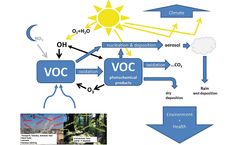
The hazards of VOCs to the environment and the impact on human health are mainly manifested in: (1) Irritability and toxicity: When VOCs exceed a certain concentration, they will stimulate people's eyes and respiratory tract, causing skin irritation, sore throat and fatigue; VOCs can easily pass through the blood-brain barrier and damage the central nervous ...
About: CanaQuest Medical is an award-winning, Clinical Stage/Life-Sciences company focused on the drug discovery and development of next-generation targeted therapeutics within the endocannabinoid system and specific brain receptors. The Company is focused on treating neurological conditions, such as epilepsy, anxiety, depression, and Post Traumatic Stress Disorder “PTSD,” including ...

Other CPPs present additional advantages such as tumor-homing, penetration through the blood-brain barrier, and antimicrobial activity. l FeaturesThe most remarkable feature of cell-penetrating peptides is that it’s able to penetrate the cell membrane at low micromolar concentrations in vivo and in vitro, without using any chiral receptors and without causing ...

To gain a better appreciation, you can start by having an idea of what happens to your brain during a concussion. The Injury Itself Inside of your skull, there is a protective liquid barrier that surrounds the brain. When a traumatic brain injury occurs, the fluid barrier moves back and forth. When the ...
Among them, the most difficult or most capable of establishing technical barriers is the drug delivery vector. The RNA drug delivery system An excellent delivery system must meet the following basic requirements: 1. ...