
Refine by
Breeding Program Articles & Analysis
62 articles found
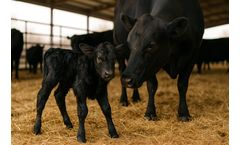
Strategic Use of Artificial InseminationTimed AI programs breed a large portion of the herd within a defined 24 to 72 hour window, accelerating early pregnancies and increasing calves born in the first cycle. ...

” Several factors play into successful?dog reproduction?and dog breeding programs, including knowledge about basic reproduction, reproductive health for dogs, whelping and post-natal care.? At BioZyme®, our team adores dogs of all breeds, colors and sizes. We realize that nutrition is our specialty, but nutrition and reproductive ...

Research into hormone signaling pathways helps in breeding programs aimed at creating stress-tolerant crops. Biotechnological Applications: Hormone analysis is fundamental in plant biotechnology, facilitating genetic manipulation and tissue culture practices. ...

This remarkable diversity highlights the need for precise genome size determination, which has broad implications for taxonomy, evolutionary biology, breeding, and ecological studies. This article delves into the methods used to measure plant genome sizes, their significance, and the potential applications of such data. ...

Why there's a necessity for it? What some approaches to doing that might be? Segra is a Canadian-based Cannabis tissue culture nursery business. We grow plants at industrial scale for LPs. We can also do preservation and regeneration services by tissue culture for people and I oversee a genetics lab which performs various tests from everything from pathogen detection to what I’m going to ...

Cytokinin is also used in plant breeding programs for the development of new varieties with desirable characteristics such as early maturity, high yield, and resistance to biotic and abiotic stresses. ...
Cytokinin is also used in plant breeding programs for the development of new varieties with desirable characteristics such as early maturity, high yield, and resistance to biotic and abiotic stresses. ...
Food processing and storage: Understanding how processing and storage affect vitamin content allows for optimizing practices to minimize losses and preserve nutritional value. Breeding and genetic engineering: Analyzing vitamin levels in different plant varieties can guide breeding programs to develop crops with enhanced vitamin content. ...
- Reproduction Strategy: Pheromones can be used to modify animal behavior in breeding programs and to improve the success rate of breeding. Application of Pheromone Activity screening service The use of pheromone activity screening service can enhance various industries, such as agriculture, medical research, and perfume production. ...

This knowledge can inform conservation strategies and captive breeding programs to increase the chances of species survival and recovery. ...

SNP Array in Agrigenomics Research SNP-based genotyping has become a first-class approach in plant and animal breeding programs for genomic selection. A major advantage of SNP microarrays is that they can be flexibly designed to suit the purpose, with microarrays developed for the genomes of selected organisms or for reference genomes. ...
The future of agriculture is ever-changing… And in the bid to feed the world by 2050 there are a number of key challenges, but also exciting opportunities. With an ever-rising global population, climate change, food security and working out how to produce enough nutrient-dense food for the masses are high priorities for the agriculture sector. These colossal world issues present many ...

The approach included use of genomic selection, the concept of using genome-wide dense genetic maps to predict the genetic merit of individual animals, and enhance selective breeding efficiency. Troutlodge and the USDA worked together to increase selection accuracy for BCWD, and apply the technology to commercially available broodstock. ...
Cause of the Disease Infectious pancreatic necrosis (also known as Acute catarrhal enteritis) is one of the first described and most extensively studied diseases of fish. There are strains and substrains of IPN virus that can be differentiated by serological, biochemical and genetic means. The VR-299 (type 1) strain was originally isolated in North America and has since been found almost ...
Even today’s popular press abounds with examples of genetics research, including some of our society’s most intriguing controversies such as the cloning of animals and the production of “genetically-engineered” foods. Genetic improvement programs in agriculture One of the most significant developments central to the success of modern agriculture has ...

It all started with a lot of note taking on paper and Excel docs, comparing notes, and finding ways to store and analyze the data so we could make sense of what we were seeing in the field with the different phenotypes in our breeding programs. As we got into it, we started to realize that genetics are really the foundation of what we do. Through ...
ByArable

The berry breeding program at the Agriculture and AgriFood Canada (AAFC) Kentville Research and Development Centre in Kentville, Nova Scotia, is now the Small Fruit Germplasm Development Program. ...

“There’s no reason to suspect these fish from a food safety perspective,” says Cyr Couturier, chair of aquaculture programs at Memorial University’s Marine Institute in St. John’s, Newfoundland. ...
ByEnsia
Legislation The emblematic animal victim of lead poisoning, the California condor, was brought back from the brink of extinction through a captive breeding program begun in the 1980s. There are now over 400 condors in California, Arizona and Mexico’s Baja California peninsula, with more than half of them wild and the rest in captivity. ...
ByEnsia
Continued research and implementation of honey bee breeding innovations to select for pest and disease resistance in honeybees. ...