
Brownfield Area Articles & Analysis
14 articles found
Approach: TCH heaters were installed to depths between 23 and 30 ft bgs to heat the target treatment zone (TTZ) to ...
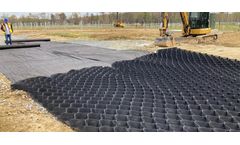
With the increasing demand for clean energy, there is a growing interest in repurposing underutilized lands for solar farm developments, particularly abandoned mines, capped landfills, brownfields, and other unused areas. These locations offer a unique opportunity to transform unused spaces into sources of renewable energy, and can be particularly enticing ...

Once land farming practices have sundowned, oil companies have opportunities to remediate the contaminated land, restoring the health of the soil so it can be safely reused. The restored brownfield area creates a new space for revenue-generating activities, such as building new centers for alternative fuel research. ...
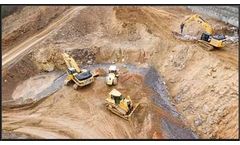
A wide variety of activities conducted on these sites—including environmental investigation, remediation, demolition, and construction—have the potential to release contaminants that may migrate through the air beyond the perimeter of the site. For example, brownfield sites in densely populated areas where remedial actions often include excavation and ...
The USEPA’s Brownfields Program USEPA’s Brownfields Program was established to facilitate the rehabilitation of contaminated property for redevelopment. ...
USEPA’s Brownfields Program was established to facilitate the rehabilitation of contaminated property for redevelopment. ...
Studies show that there is no correlation between growth in the urban area and population growth. Land recycling Land recycling, i.e. regeneration of previously developed land that is currently not in active use or available for redevelopment (so-called brownfield sites), is seen as a solution to limit land take. The reuse of brownfield land ...

Brownfield Redevelopment in South Lake Union Area of Seattle Project Summary TRS Group, Inc. (TRS) designed, installed and operated an electrical resistance heating (ERH) source area remediation project at a former commercial laundry and dry cleaning facility in the rapidly growing area of South Lake Union in Seattle, WA, The ...

More than $20 billion worth of lead, zinc and silver came from that mine, but what’s left today is 1,000 hectares of contaminated brownfield right in the city with little chance of any productive, tax-generating use. ...
Both the Growth Plan for the Greater Golden Horseshoe, under the Places to Grow Act, 2005, and the Provincial Policy Statement under the Planning Act encourage important policy objectives, such as new or renewed infrastructure, intensification of urban areas, and the redevelopment of brownfield sites. These activities often result in the need to manage large ...

Owing to the decline of urban ports-related activities, since the post-war period many European waterfront areas have been affected by obsolescence and degradation. Once vibrant seats of activities, flows of goods and people relationships, they have been gradually dismissed and abandoned, sometimes becoming 'no-go-areas'. ...
The USEPA’s Brownfields Program was developed to facilitate the rehabilitation of contaminated property for re-development. ...

After spending hundreds of millions of tax payers’ money on a high profile ‘clean-up’, it has become clear that the 2012 Olympic Park actually remains classified as a contaminated brownfield site. Documents show that the whole area is to have as little as 2 feet (60cm) of “clean” material placed on top of a warning marker layer of orange plastic fabric sheeting, ...
What Are Brownfields? These guidelines are provided pursuant to Catalog of Federal Domestic Assistance # 66.818. The Small Business Liability Relief and Brownfields Revitalization Act (“Brownfields Law” or “the Law”, P.L. 107-118) requires the U.S. ...