
Refine by
Bubble Diffuser System Articles & Analysis
25 articles found

EDI aeration helps 10 MGD municipal plant win multiple awards for performance while cutting energy usage in half. Project Information Project Type: Municipal wastewater treatment Completion Date: 2008 Treatment Objectives: Design flow: 10 MGD Effluent Objectives: Meet Regulation 100% of the Time ...

System Activated Sludge Flow Rate 120,000 gallons per day Background The municipality upgraded their wastewater plant three years ago with finebubble aeration. ...
Backflow is among the most common causes of failure in bubble diffusion systems. Learn how adding only a few inches of elastomer can eliminate backflow risks and optimize diffused aeration processes. For a steadily growing percentage of wastewater treatment facilities, bubble diffusion ...
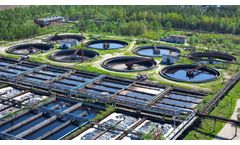
Some examples of solutions include; the use of integrated head works screens in primary treatment; sustainable bio-organic liquid flocculants for efficient suspended solids clarification, and jet aeration diffusion systems providing up to 40% reduction in energy consumption over coarse bubble and surface diffusion ...
Technical Bulletin 162: High Efficiency Diffusers versus Surface Aerators EDI has engineered systems that are well suited for almost any aeration mixing application. With multiple diffuser platforms available, it gives design engineers or users choices for coarse bubble, fine bubble of different types, and ...
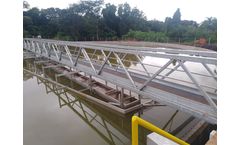
The oxygen required for nitrification is delivered by a fine-bubble air-diffuser system. Membrane diffusers, the most efficient and economical type used in wastewater treatment plants, don't suffer from fouling problems due to the low alkalinity of the effluent. The system design features airflow higher than ...
History - Coarse, Medium, Fine Bubble Diffusers Diffuser efficiencies are generally measured in clean water to allow basis of comparison of similar products and prediction of actual performance in a wastewater treatment plant application. ...
The primary application of coarse bubble diffuser systems today are as indicated below: Aerobic Digestion Applications Coarse bubble diffusers have been the traditional diffusers used in these applications. ...
Fine bubble aeration systems are inherently more efficient in oxygen transfer than coarse bubble aeration systems. Overall, a fine bubble aeration system configured in a grid configuration will operate at approximately 50% the energy consumption of coarse bubble ...
The decisions include: Fine Bubble or Coarse Bubble? Floating Lateral or Floor Mounted Diffuser Systems? ...
The plant needed a more efficient system that would allow a continuous discharge of treated effluent and have the capacity to meet future requirements for ammonia removal. ...
Five years after the plant’s opening, F&A Dairy constructed an aerated lagoon Waste Water Treatment Plant (WWTP) with land irrigation, employing a static-tube coarse-bubble aeration. The system was originally designed to process approximately 3,000 ppd BOD. ...
Energenecs specified Environmental Dynamics International (EDI), which designs and manufactures water aeration systems at their Columbia, Mo., headquarters. EDI offered a fine-bubble, high-efficiency diffused aeration system that could be configured to the Brakebush plant’s specific requirements. The team settled on ...
Proper mixing and reasonable tank depths can avoid this issue. What is the efficiency of diffusers on these deep tanks? Fine Bubble Diffuser Systems – For the fine bubble diffusers systems it must be recognized that the high efficiency systems are using ...

If you’re concerned about needing to rehaul a treatment system that is already in place, MBBR units can be modular and are easy to add to an existing system for potential improved process efficiency based on current sewage plant configuration. ...
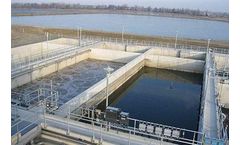
If you’re concerned about needing to rehaul a treatment system that is already in place, MBBR units can be modular and are easy to add to an existing system for potential improved process efficiency based on current sewage plant configuration. ...

The ASBR features: Stainless steel effluent decanters. Highly efficient fine bubble membrane diffused air aeration system. PD blowers with variable speed drives, and PLC and SCADA control system. ...
The ASBR features: Stainless steel effluent decanters. Highly efficient fine bubble membrane diffused air aeration system. PD blowers with variable speed drives, and PLC and SCADA control system. ...

Fine bubble diffused aeration systems are often a popular choice for this application, however, there were concerns that the diffusers would be prone to reduced performance due to calcium precipitation, biological fouling, and the high mixed liquor concentration. ...

Data for study interest Aeration system: fine bubble diffusers + liquid oxygen injection Ammonium concentration in ASP influent: 42 mg N-NH4/L Ammonium concentration in effluent: 39 mg N-NH4/L SVI: 65 mL/g F/M: 0.078 kg BOD/kg MLVSS*d Dissolved oxygen average in aeration tank: 0.02 mg/L Kg O2/kWh in aeration system: 4 kg ...