
Refine by
Bump Testing Articles & Analysis
27 articles found

In the world of industrial safety and environmental compliance, leak detection is no longer a reactive task – it is a proactive responsibility. Whether for oil and gas operators, chemical processing facilities, or energy producers, the ability to accurately identify fugitive emissions is critical. Traditional tools like gas sniffers or pressure testing often fall short in sensitivity, ...
ByOPGAL
OGI - short for Optical Gas Imaging - has rapidly become a cornerstone of modern emission monitoring and leak detection strategies. As regulatory pressures increase and industrial operations seek better tools to manage fugitive emissions, OGI stands out for its precision, efficiency, and visual clarity. For over a decade, OPGAL has been at the forefront of OGI technology, delivering ...
ByOPGAL

Hydrogen sulfide (H2S) is a silent threat, undetectable by sight and capable of dulling the sense of smell before its presence is noticed. This gas is common in oil refineries, wastewater plants, and mining operations, where confined spaces and reactive materials make its presence especially hazardous. Maintaining safety and achieving accurate detection in these settings depends on more than just ...
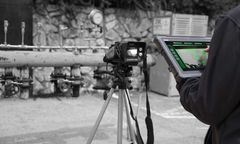
As regulatory pressure intensifies around fugitive emissions, the U.S. Environmental Protection Agency (EPA) has introduced a proposed framework known as Appendix K, designed to standardize Optical Gas Imaging (OGI) practices across oil and gas operations. This move, aimed at improving leak detection accuracy and accountability, introduces technical specifications and validation criteria that ...
ByOPGAL

Ensuring the accuracy and functionality of these devices is crucial to maintaining safe working conditions, meeting regulatory standards, and preventing health hazards. Learn three ways to test your portable gas monitor and the importance of each method. BUMP TESTING FOR FUNCTIONALITY Bump testing exposes your ...
ByJXCT
Key Features Of Multi-Gas Detector: Simultaneous detection of combustible, toxic, and oxygen gases Visual and audible alarms for each gas type Compact and ergonomic design for ease of use Data logging and event recording for regulatory compliance Compatibility with calibration and bump testing accessories OPERATING PRINCIPLES OF GAS DETECTORS Gas detectors ...
ByJXCT

Temperature testing assesses the performance of equipment in extremely hot and cold conditions, while humidity testing assesses its resistance to humidity. ...

Sample Time Typically, a gas chromatograph is situated at a central point and is linked to several sampling lines that are switched in via a valve block, and then each line is tested sequentially. Despite the GC system claiming to offer continuous detection, it took the GC we tested an entire hour to scan all of its input lines. ...

Are you looking for a comprehensive guide to maintaining and cleaning your gas analyzer? To keep it in perfect operating condition, proper and regular cleaning is essential. With the right maintenance procedures, you can ensure that your gas analyzer continues to perform at peak efficiency with minimal interference from harmful substances such as dust or dirt. In this blog post, we’ll ...
Photoionization detectors (PIDs) are crucial equipment for those working with gas and oil as they help to measure a range of gases, including volatile organic compounds (VOCs). Because of how frequently PIDs are used and the importance of their accountability and reliability, PID calibration for the oil and gas industries need to be carefully implemented. In this article, we will look at PID ...

Its instantaneous alarms, adjustable high/low alarms, and calibration and bump test reminders allow for easy maintenance and ultimate safety. The ARA gas detection series also features a lifetime remaining countdown to assist users plan for future projects and site shutdowns. ...
In contrast, a calibration schedule for a gas detector is a daily bump test accompanied by a monthly calibration. Approximately 1 in every 2,500 untested sensors will fail to respond to a dangerous gas concentration.* Please complete the form below for more information on Optical Gas Imaging and its benefit to your organization. * Bump ...
ByOPGAL
To assist the fire investigator, maximise their ‘productivity’ and minimise the number of lab samples that need to be taken, a number of useful accessories and spares should be provided:- Long, flexible probe, to enable access to awkward spaces and gaps between floorboards and ceilings Vehicle adaptor to keep the rechargeable battery topped up plus AA battery pack for ...
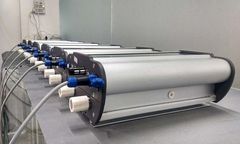
In laboratory calibration, assembled Oizom devices POLLUDRONE, DUSTROID, ODOSENSE, WEATHERCOM are calibrated with pure air and calibration gases with high range concentrations. In a laboratory setting, zero and span calibration are performed in order to validate the manufacturer’s sensor calibration and determine the sensor offset or gain error if any. In order to perform zero and span ...
To assist the fire investigator, maximise their ‘productivity’ and minimise the number of lab samples that need to be taken, a number of useful accessories and spares should be provided:- Long, flexible probe, to enable access to awkward spaces and gaps between floorboards and ceilings Vehicle adaptor to keep the rechargeable battery topped up plus AA battery pack for ...

A bump test does not measure the accuracy of the sensors or its state of calibration. ...
Introduction ATEX, IEC, British HSE, and US OSHA standards all call for the bump test and calibration of any portable instrument used for worker health and safety protection in a potentially hazardous environment. ...
How many ammonia gas detectors are required? What is a bump test and why should they be done? How often should an ammonia gas detector be bump tested? ...

The area-wide plan resulted in the installation of four permanent monitoring wells for groundwater sampling, twenty vapor monitoring wells, and twenty test borings for field screening. The test borings indicated the presence of VOCs which were further characterized by sampling specific soil sections extracted from the parent core. ...
The area-wide plan resulted in the installation of four permanent monitoring wells for groundwater sampling, twenty vapor monitoring wells, and twenty test borings for field screening. The test borings indicated the presence of VOCs which were further characterized by sampling specific soil sections extracted from the parent core. ...