
Refine by
Carbon Tetrachloride Articles & Analysis
54 articles found

Industrial water pollution is a widespread problem throughout the planet. When harmful chemicals and compounds are discharged into water, the water becomes unsuitable for drinking and other uses. Although most of the Earth’s surface is covered by water, we can only obtain fresh water from water bodies such as ponds, lakes, rivers, streams, and reservoirs. This means that it’s in our ...

Furthermore, the use of chemically induced models, such as those employing carbon tetrachloride or thioacetamide, has been instrumental in studying liver injury and fibrosis. ...

What Solvents Are Used in Infrared Spectroscopy?Carbon tetrachloride (CCl4) and carbon disulfide (CS2) are the most commonly used solvents. ...
The Phase II ESA identified elevated concentrations of carbon tetrachloride, ethylene dichloride (1,2-Dichloroethane [EDC]), and chloroform in the area of the former Grain Elevator structure ...

Halogenated hydrocarbons Trichloroethylene, trichloroethane, methyl chloride, carbon tetrachloride, etc. Others Hydrogen peroxide, etc. Functional Electronic Wet Chemicals Etchants Metal etchant, buffered oxide etchant, ITO etchant, silicon etchant, etc. ...
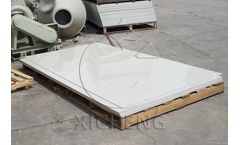
However, it is not resistant to aromatic hydrocarbons (such as benzene) solvents, chlorinated hydrocarbons (carbon tetrachloride) solvents, etc., and the oxidation resistance of PP at high temperatures is not as good as that of PE. ...

Also, it is incredibly soluble in water, and organic solvents such as benzene, carbon tetrachloride, and chloroform. Biopharma PEG's PEG raw materials are suitable for activation into PEG derivatives. ...
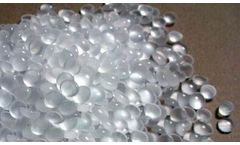
Certain types of chemicals are chemically aggressive, such as corrosive oxidants (concentrated nitric acid), aromatic hydrocarbons (xylene), and halogenated hydrocarbons (carbon tetrachloride). The polymer is non-hygroscopic and has good water vapour resistance for packaging applications. ...
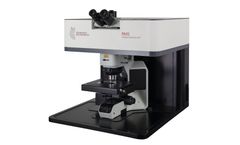
For a vibrational mode to be measured it must be ‘Raman Active’ which occurs when the molecular polarisability changes during the vibration.Raman Spectrum of CCl4An example Raman spectra is that of Carbon Tetrachloride (CCl4) and is shown in Figure 3. CCl4 is a tetrahedral molecule with three pronounced Raman active vibrational modes in the 100 cm-1 to 500 cm-1 ...
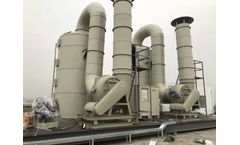
Main hazards: The semiconductor industry is mainly caused by the use of some chemical agents (such as sulfuric acid, hydrochloric acid, CFC, carbon tetrachloride, trichloromethane, etc.) The volatilization of ethyl chloride and other organic halides will cause pollution to the atmospheric environment, as well as mechanical noise and a small amount of dust ...

Also, it is incredibly soluble in water, and organic solvents such as benzene, carbon tetrachloride, and chloroform. Biopharma PEG’s PEG raw materials are suitable for activation into PEG derivatives. ...

Known since antiquity as a powerful purification agent, activated carbon is used today in a vast array of applications at the home, municipal, and industrial levels. Activated carbon can be made from any organic material with a high natural concentration of carbon, so the specific chemical structure and properties will vary according to which raw material is selected. Here is what you should ...

ERDENHANCED™ leverages untapped biogeochemical principles to facilitate the destruction of organic halides such as tetrachloroethene (PCE), trichloroethene (TCE), 1,1,1-trichloroethane (1,1,1-TCA), carbon tetrachloride (CT), chlorobenzenes (CBs), and their toxic daughter products simply by enhancing native microbial communities. ...

B Ammonia Hydroxide B Aliphatic Hydrocarbons Diesel Fuel P Naptha P Mineral Oil P Aromatic Hydrocarbons Toluene P Xylene P Chlorinated Solvents Trichlorethylene P Carbon Tetrachloride P Methylene Chloride P Ketones Acetone B Methyl Ethyl Ketone (MEK) G Esters Amyl Acetate P Butyl Acetate P Ethyl ...

It can effectively destroy trace organic pollutants in water, such as benzopyrene anthraquinone, chloroform, carbon tetrachloride, phenol, chlorophenol, cyanide, hydrogen sulfide and organic sulfide. ...

And as science continues to evolve, so do bioremediation’s capabilities, making it hard to keep up.While it is not necessary to understand every detail of bioremediation to benefit from it, a lack of awareness of the possibilities can mean missing out on the opportunities bioremediation offers.In this month’s blog, I discuss how, for the first time ever, bioremediation has been successful in ...

Benzene. Benzidine. 1,3 butadiene. Carbon tetrachloride. Chloroform. Ethylene oxide. Nitilotriacetic acid. ...

Fully refined paraffin wax soluble in benzene... Ether, chloroform, carbon disulfide, carbon tetrachloride, turpentine oil, oil, fixed oils. ...

Fully refined paraffin is soluble in: benzene, ether, chloroform, carbon disulfide, carbon tetrachloride, turpentine, petroleum, fixed oils. ...
They have been divided into the five categories defined by the World Health Organization (WHO).OrganicsCarbon-based compounds such as benzene, carbon tetrachloride, vinyl chloride, trihalomethanes, styrene, and polychlorinated biphenyls among others. ...