
Refine by
Catalytic Reduction Articles & Analysis
97 articles found
llenges of Flue Gas Treatment in Waste-to-Energy Facilities Municipal Solid Waste (MSW) incineration with power generation is one of the most effective methods for waste reduction, resource recovery, and environmentally sound disposal. By converting waste into electricity, waste-to-energy (WTE) plants play a critical role in supporting circular economy and sustainable urban ...
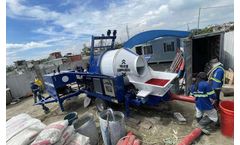
For mixer pump purchasers, MAR-1 compliance means the engine must incorporate electronic control modules and selective catalytic reduction on many horsepower bands. Expect to see higher upfront pricing for these units. ...
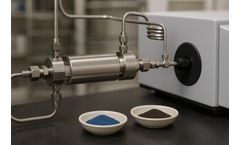
The study analyzes concurrent reactions that compete with the selective catalytic reduction of nitrogen oxides by ammonia (NH3-SCR), namely ammonia oxidation (AMO) and the formation of undesired by-products N2O and NO2, over Cu/SSZ-13 and Fe–Cu/SSZ-13 zeolite catalysts. It evaluates how the method of iron introduction and reaction conditions (dry vs. wet) ...

Emission Management: Modern diesel RTGs must comply with emission regulations, which may require exhaust treatment systems like selective catalytic reduction (SCR) or particulate filters. Operational Challenges While diesel RTGs offer flexibility, they face operational challenges: Fuel Costs: Diesel fuel represents a significant operational cost, especially in ...
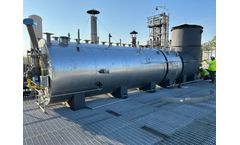
The Challenge Many industrial furnaces operate in oxygen depleted conditions, emitting high levels of ammonia, NOx, and other nitrogen-bearing compounds. This presents a significant challenge for manufacturers striving to meet air quality regulations and limit carbon output. Emission streams that contain nitrogen bearing hazardous air pollutants (HAPs) cannot be thermally treated in a ...

One promising solution is pyrolysis of plastic to oil, a process that transforms waste plastics into valuable fuels. Recent advances in catalytic pyrolysis have introduced a new breakthrough: significantly improving both the yield and quality of pyrolysis oil. ...
There are a number of emissions control technologies that are used to deal with this. For example, the Selective Catalytic Reduction (SCR) uses AdBlue to neutralise nitrogen oxides whilst the exhaust gas recirculation (EGR) lowers combustion temperatures and reduces nitrogen oxides. ...

In Europe, the revised Industrial Emissions Directive (IED 2.0), effective since August 2024, imposes tighter limits on key pollutants, including NOx from gas turbines, requiring Best Available Techniques like Selective Catalytic Reduction (SCR) and enhanced continuous monitoring. Elsewhere, similar regulatory frameworks are also in force. ...
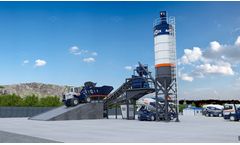
Emissions aftertreatment retrofits—including diesel particulate filters and selective catalytic reduction systems—bring older generators up to Tier 4 Final standards without replacement costs.Closed-Loop Water ReclamationWater management retrofits transform portable plants from water consumers to nearly self-sufficient systems. ...
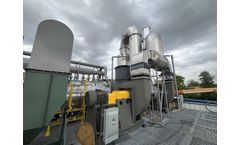
OverviewThis case study details the challenges faced by industrial facilities in treating nitrogen-bearing hazardous air pollutants (HAPs) from oxygen-depleted furnaces, highlighting the limitations and high operational costs associated with traditional Selective Catalytic Reduction (SCR) systems for NOx reduction. To overcome these ...
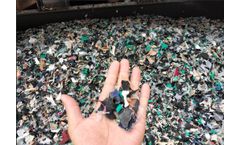
Application Scenarios: Directly applicable in cement kilns and power boilers for heat and electricity generation, or converted into methanol through "gasification + catalytic synthesis," offering both emission reduction and resource recycling benefits. 4. ...

These functional groups can tune the electronic properties of the materials, enhance their stability, and promote specific catalytic reactions. This versatility in surface functionalization allows for tailoring of MXene materials for specific electrocatalytic applications, such as oxygen reduction reactions, hydrogen evolution reactions, and water splitting. ...
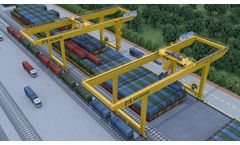
Emission Control Technologies: Diesel-powered cranes should be equipped with advanced emission control technologies such as Selective Catalytic Reduction (SCR) and Diesel Particulate Filters (DPFs). These systems help to significantly reduce NOx and PM emissions, mitigating their impact on air quality. 3. Noise Pollution Reduction Ports and ...

The company attaches great importance to environmental protection while vigorously improving the economic benefits of the enterprise and paying attention to product quality. The company leaders, in line with the principle of creating a good production and living environment for the employees and the surrounding residents, collect and deal with the waste gas generated in the operation process and ...
“Diesel management” typically refers to the comprehensive approach of effectively managing diesel fuel usage and diesel engine operations within an organization or a specific context. It involves various aspects including fuel efficiency, engine performance, emissions control, and overall operational effectiveness. Here’s a breakdown of key elements involved in diesel ...
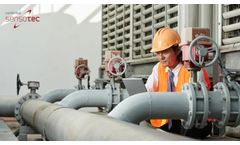
Introduction In the dynamic landscape of power generation, optimising efficiency and reducing emissions are paramount objectives for ensuring sustainability and environmental responsibility. Gas analysis plays a pivotal role in achieving these goals by providing valuable insights into combustion processes, emissions, and overall system performance. In this blog post, we delve into the ...
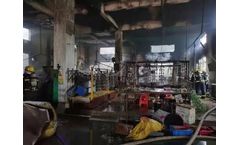
This usually requires a furnace or catalytic burner. Combustion is an effective method to reduce the concentration of VOCs. Desulfurization and denitrification: If the exhaust gas contains sulfur compounds or nitrogen oxides, desulfurization and denitrification equipment, such as wet desulfurization and SCR (selective catalytic reduction), can be ...

In fabric filters, also known as “bag houses”, the flue gas is forced through filters (bags) where the particles are captured. Reduction of Gaseous Pollution When it comes to gas-phase pollutants, the combustion temperature can be tuned for example by exhaust gas recirculation (EGR) to minimise the combustion reactions leading to excess levels of pollutants being ...
ByOPSIS AB
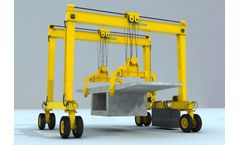
This hybrid approach allows for greater flexibility, as the crane can switch between power sources based on operational needs, optimizing fuel consumption and emissions.Emission Reduction Technologies:For diesel-powered RTGs, emission reduction technologies play a crucial role in mitigating their environmental impact. ...
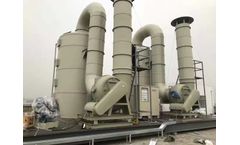
Common desulfurization methods include wet flue gas desulfurization (WFGD) using limestone or lime slurry, dry sorbent injection, or using renewable processes such as activated carbon. Nitrogen oxide removal (NOx reduction): Nitrogen oxides (NOx) are another group of harmful pollutants found in smoke. Selective catalytic reduction (SCR) or ...